


Mineral Sunscreen and Acne: Can SPF Help or Hurt Breakouts?
Understanding how mineral and chemical sunscreens differ helps explain why mineral formulas often work better for breakout-prone complexions.
Mineral sunscreens use active ingredients like zinc oxide and titanium dioxide. Rather than absorbing into your skin, mineral filters sit on the surface and physically reflect UV rays away. Chemical sunscreens, on the other hand, absorb into your pores and convert UV rays into heat, which can irritate sensitive or inflamed skin.
For acne-prone skin, mineral sunscreen offers several advantages. Zinc oxide has natural soothing properties that can calm redness around active breakouts. Since mineral filters remain on the skin's surface rather than penetrating pores, non-comedogenic mineral sunscreen for the face poses a lower risk of congestion. Mineral formulas also tend to be gentler on compromised skin barriers, making them suitable even during acne flare-ups.
Can Mineral Sunscreen Actually Help With Breakouts?
Skipping SPF to avoid breakouts is a common mistake. Research published in the Journal of Cosmetic Dermatology highlights how sun exposure can actually worsen acne through multiple pathways.
When UV rays hit unprotected skin, dealing with acne, post-inflammatory hyperpigmentation (dark spots left behind after breakouts) can darken and become more stubborn. Unprotected exposure may also trigger a "rebound effect", where initial drying of pimples is followed by increased oil production days later, leading to more breakouts. Additionally, many acne treatments, including retinoids and benzoyl peroxide, increase sun sensitivity, making daily SPF non-negotiable for anyone on an acne-care routine.
For those working to fade acne marks, the best sunscreen for acne-prone skin acts as a protective shield, preventing dark spots from getting worse while your skin heals. The key is choosing formulas designed specifically not to clog pores.
What Makes Some Sunscreens Cause Breakouts?
Not all sunscreens are created equal when it comes to acne-prone skin. Understanding what causes mineral sunscreen and breakouts in certain formulas helps you make smarter choices.
Heavy, occlusive formulations can trap sweat and sebum beneath a thick layer, creating an environment where bacteria thrive. Some sunscreens contain comedogenic ingredients, oils, and waxes like coconut oil or cocoa butter, that actively clog pores, even in mineral formulas. Improper removal at night also plays a role; if you're not thoroughly cleansing mineral sunscreen from your face, residue builds up and contributes to congestion.
The takeaway? The minerals themselves (zinc oxide and titanium dioxide) are not typically the problem. What matters is the overall formulation. Look for labels that say "non-comedogenic," "oil-free," or "won't clog pores" to ensure you're getting an acne-safe option.
How to Choose the Best Sunscreen for Acne-Prone Skin
Finding your ideal mineral SPF comes down to a few key factors. Prioritize non-comedogenic mineral sunscreen formulas specifically designed not to block pores. Lightweight, fluid-based textures absorb quickly without leaving a heavy or greasy feel that can suffocate skin.
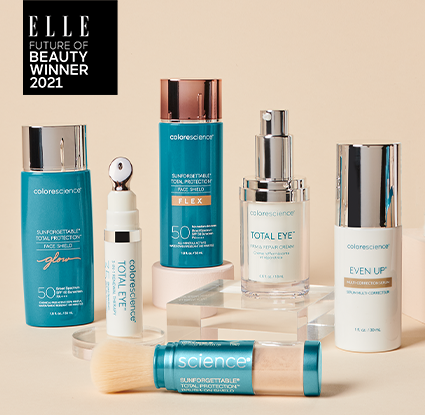
For acne-prone skin, ingredients matter beyond just the sun filters. Niacinamide, found in formulas like Sunforgettable® Total Protection® Face Shield Flex SPF 50, helps reduce inflammation and redness while absorbing excess oil. Tinted options offer an additional benefit: iron oxides provide coverage that can help camouflage acne marks and uneven tone, so you get protection and confidence in one step.
Consider your skin's current state when selecting products. If you're dealing with active inflammation, look for formulas free of fragrances, parabens, and other potential irritants. During healing phases when you're focused on fading marks, broad-spectrum sun protection becomes even more critical for preventing hyperpigmentation.
What's the Right Way to Apply Mineral Sunscreen Without Triggering Breakouts?
Application technique matters just as much as product choice. Start with clean skin; washing your face removes pore-clogging dirt and bacteria before you apply anything. Apply your mineral sunscreen as the final step of your morning skincare routine, after moisturizer, but before makeup.
Use enough product to fully cover your face. Many people underapply sunscreen, which reduces protection and can lead to uneven coverage that settles into pores. Reapply every two hours if you're outdoors, or after sweating.
Evening removal is equally important. Double-cleansing, using a gentle cleanser twice or following an oil-based cleanser with a water-based one, ensures all traces of mineral sunscreen are gone before bed.
Which Colorescience Products Are Best for Acne-Prone Skin?
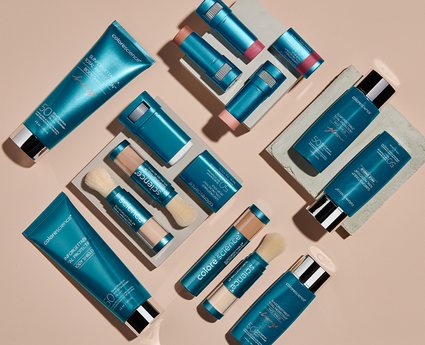
For a dermatologist-recommended mineral sunscreen that works with acne-prone skin, Sunforgettable® Total Protection® Face Shield Flex SPF 50 delivers lightweight, non-comedogenic coverage with EnviroScreen® Technology. Along with UVA/UVB protection, the formula includes niacinamide, an anti-inflammatory ingredient that helps reduce swelling and redness associated with breakouts.
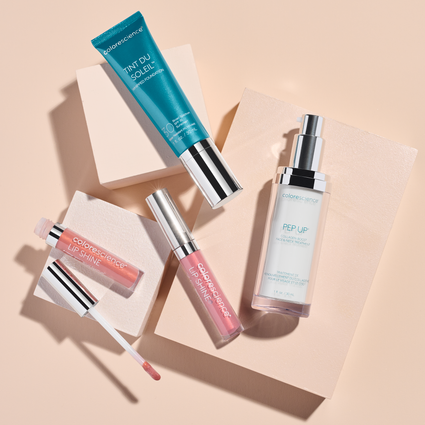
The tinted formula evens skin tone and minimizes the appearance of acne without clogging pores. Encapsulated pigments adjust to your natural tone, offering buildable coverage that doubles as sun protection and foundation. For those who prefer a completely sheer finish, Total Protection® No-Show™ Mineral Sunscreen SPF 50 delivers the same high-performance protection with an invisible, weightless feel.
Conclusion
Protecting your skin doesn't have to come at the expense of clarity. With the right non-comedogenic mineral sunscreen for your face, you can shield against environmental damage while supporting a calmer, clearer complexion. Your skin deserves protection that works with you, not against you.
Disclaimer: Content provided here is for educational purposes and is not intended as medical advice. Consult a dermatologist for personalized recommendations regarding acne treatment and skincare.
Frequently Asked Questions
1. Does mineral sunscreen cause acne?
Mineral sunscreens with non-comedogenic formulations are unlikely to cause acne. The active minerals: zinc oxide and titanium dioxide, sit on the skin's surface rather than absorbing into pores. Breakouts typically result from heavy or occlusive formulations, not the mineral filters themselves.
2. Is mineral or chemical sunscreen better for acne-prone skin?
Mineral sunscreen is generally preferred for acne-prone skin because the filters remain on the surface rather than penetrating pores. Zinc oxide also offers soothing properties that can calm inflamed skin. Chemical filters may irritate sensitive or reactive complexions.
3. Can sunscreen help fade acne scars?
Yes. Consistent SPF use prevents UV-induced darkening of post-inflammatory hyperpigmentation (acne marks). Protecting healing skin from sun exposure helps scars fade faster and prevents new discoloration from forming.
4. How do I know if my sunscreen is non-comedogenic?
Look for labels stating "non-comedogenic," "oil-free," or "won't clog pores." Check the ingredient list for potential pore-cloggers like coconut oil, cocoa butter, or heavy waxes. Mineral-based formulas with zinc oxide and titanium dioxide tend to be safer choices for breakout-prone skin.
5. Should I wear sunscreen even on cloudy days if I have acne?
Absolutely. UV rays penetrate clouds, meaning your skin still faces exposure even when skies are overcast. Consistent daily SPF use protects acne-prone skin from the UV damage that can darken marks and trigger post-acne discoloration.