


Why Does My Sunscreen Sting? The Science Behind Sunscreen Sensitivity
Have you ever applied sunscreen only to feel an immediate burning or stinging sensation? You are not alone. Many people ask, "Why does sunscreen burn my face?" and the answer often lies in the formulation. Chemical sunscreen stinging face reactions happen more frequently than you might expect, especially for those with sensitive or reactive skin. The good news? You can still protect your skin from harmful UV rays without the discomfort.
Why Does Chemical Sunscreen Cause Stinging on Your Face?
Chemical sunscreens work differently from mineral formulas. The active ingredients in chemical sunscreens, such as oxybenzone, avobenzone, and octocrylene, absorb UV rays and convert them into heat energy. For many people, particularly those with sensitive skin, the absorption process triggers irritation.
According to research published in Dermatitis, organic UV filters are the most commonly reported cause of both allergic contact dermatitis and photoallergic contact dermatitis. The chemical reaction that occurs when UV rays interact with sunscreen ingredients can lead to:
-
Immediate stinging or burning sensations
-
Redness and inflammation
-
Itching or rash development
-
Heightened sensitivity around the eye area
Fragrances, preservatives, and alcohol in chemical formulations can further aggravate skin, making the experience even more uncomfortable for those with reactive complexions.
Which Ingredients Should You Avoid If Your Skin Reacts to Sunscreen?
When searching for a sunscreen that doesn't irritate sensitive skin, checking the ingredient list becomes essential. Several common chemical UV filters have been identified as potential irritants:
-
Oxybenzone (Benzophenone-3): One of the most frequently reported photoallergens in sunscreen formulations. Studies show a notable percentage of users experience reactions.
-
Octocrylene: Research indicates the potential for skin sensitization and photosensitization, particularly with repeated use.
-
Avobenzone: While generally considered safer than some alternatives, avobenzone can still cause photoallergic reactions in susceptible individuals.
-
Fragrance and Preservatives: Both natural and synthetic fragrances, including linalool and limonene, can trigger allergic responses. Parabens and formaldehyde-releasing preservatives also contribute to irritation.
A helpful approach involves performing a patch test on your inner forearm before applying any new sunscreen to your entire face. Apply a small amount and wait 48 hours to check for reactions.
How Does Mineral Sunscreen for Reactive Skin Work Differently?
Mineral sunscreens offer a fundamentally different approach to sun protection. Rather than absorbing UV rays, physical blockers like zinc oxide and titanium dioxide sit on top of the skin and reflect UV rays away. Mineral sunscreen for reactive skin creates a protective barrier without penetrating into deeper skin layers.
The National Institutes of Health notes that mineral filters like zinc oxide and titanium dioxide have not been reported to cause contact allergy. Unlike chemical filters, mineral ingredients are inert and typically do not trigger reactions, making them an excellent choice for those who experience chemical sunscreen stinging face symptoms.
Why mineral formulas stand out for sensitive skin:
-
No chemical absorption process means no heat conversion on your skin
-
Zinc oxide and titanium dioxide remain on the skin's surface
-
Lower penetration into Langerhans cells and keratinocytes reduces reaction risk
-
No fragrances, dyes, or harsh preservatives in quality formulations
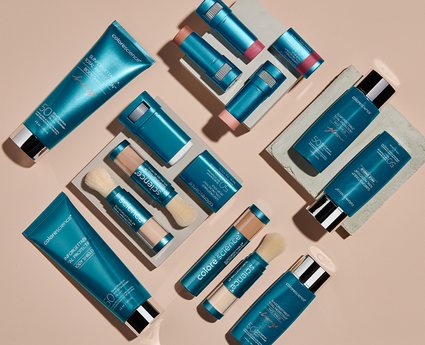
Colorescience mineral sunscreens utilize zinc oxide and titanium dioxide combined with EnviroScreen® Technology, providing all-mineral protection from UVA/UVB rays, blue light, pollution, and infrared radiation.
What Makes a Sunscreen Safe for Sensitive and Reactive Skin?
Finding a sunscreen that doesn't irritate sensitive skin requires looking beyond simple SPF numbers. The formulation matters just as much as the protection level. Dermatologist-tested products designed specifically for reactive complexions typically share several characteristics.
Fragrance-Free Formulas
Both synthetic and natural fragrances rank among the top causes of allergic contact dermatitis. Seek products explicitly labeled fragrance-free.
Non-Comedogenic Design
Products that won't clog pores reduce the likelihood of breakouts and additional irritation.
Hypoallergenic Ingredients
While not federally regulated, quality hypoallergenic products minimize common allergens like dyes, parabens, and harsh preservatives.
Mineral-Based Active Ingredients
Zinc oxide and titanium dioxide provide broad-spectrum protection without the absorption concerns of chemical filters.
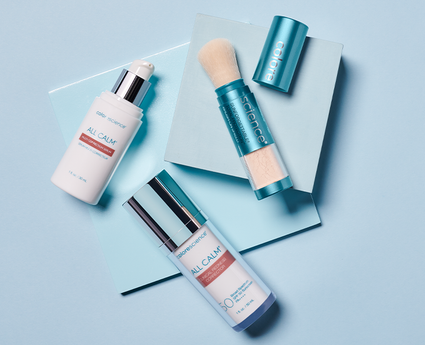
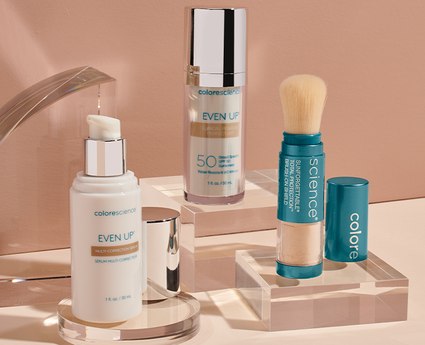
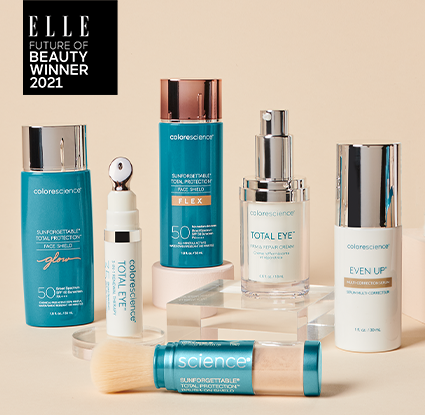
The Sunforgettable® Total Protection® Brush-On Shield SPF 50 offers all-mineral protection that is dermatologist-tested and recommended for sensitive skin. As the only powder sunscreen recommended by The Skin Cancer Foundation for active use, it makes reapplication effortless throughout the day. Free of fragrances, parabens, sulfates, and phthalates, the formula provides SPF 50 coverage along with protection against blue light and pollution.
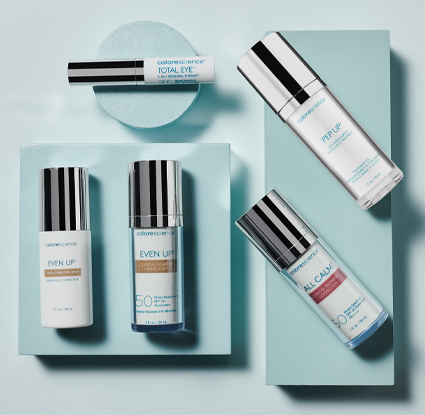
For those dealing with redness alongside sensitivity, the All Calm® Clinical Redness Corrector SPF 50 combines mineral sun protection with ingredients that help address visible redness and inflammation.
How Can You Soothe Your Skin After a Sunscreen Reaction?
If you have already experienced a reaction to chemical sunscreen, a few immediate steps can help calm your skin:
Stop using the product immediately. Wash the sunscreen off with a gentle, fragrance-free cleanser and lukewarm water.
Apply a cool compress. A clean cloth soaked in cool water can help reduce immediate inflammation and discomfort.
Use a gentle, hydrating moisturizer. Look for products without added fragrances or active ingredients that could further irritate compromised skin.
Avoid sun exposure. Until your skin heals, stay out of direct sunlight or use protective clothing and hats.
If symptoms persist beyond a few days or worsen significantly, consulting a dermatologist can help identify specific sensitivities and guide future product choices. Professional patch testing can pinpoint exactly which ingredients your skin cannot tolerate.
What Should Your Sensitive Skin Sun Protection Routine Look Like?
Transitioning to mineral sunscreen for reactive skin involves more than just swapping products. A thoughtful routine ensures maximum protection with minimum irritation.
Step 1
Start with a mild, fragrance-free cleanser that removes impurities without stripping your skin's natural moisture barrier.
Step 2
Apply mineral sunscreen. Choose a mineral-based SPF and apply evenly to clean, dry skin. Mineral formulas begin working immediately upon application, unlike chemical sunscreens that require a 15-20 minute wait time.
Step 3
Reapply throughout the day. The Sunforgettable® Total Protection™ Brush-On Shield SPF 50 is the only powder sunscreen recommended by The Skin Cancer Foundation for active use, making reapplication simple, even over makeup. Keep one in your bag for midday touch-ups.
Step 4
Support your skin barrier. A healthy skin barrier better tolerates daily product application. Products designed for barrier health, like the Barrier Pro™ Collection, complement your sun protection routine.
For a deeper look at the difference between mineral and chemical sunscreen, knowing how each type interacts with your skin helps you make informed choices for your unique needs.
Conclusion
Protecting your skin from UV damage should never come with discomfort. Once you know what makes sunscreen safe and choose formulations designed for sensitive complexions, daily sun protection becomes a comfortable, confidence-boosting ritual.
Frequently Asked Questions
1. Why does sunscreen burn my face upon application?
Chemical sunscreens absorb UV rays and convert them to heat, which can irritate sensitive skin. Fragrances and preservatives in formulations also contribute to burning sensations. Switching to mineral sunscreen often resolves the issue.
2. Can mineral sunscreen cause skin reactions, too?
Mineral sunscreens containing zinc oxide and titanium dioxide rarely cause allergic reactions. Studies confirm mineral filters have minimal sensitization potential compared to chemical alternatives.
3. How do I know if my skin will react to a new sunscreen?
Perform a patch test on your inner forearm. Apply a small amount and wait 48 hours. If no reaction occurs, the product is likely safe for facial use.
4. What should I look for in a sunscreen that doesn't irritate sensitive skin?
Choose fragrance-free, paraben-free, mineral-based formulas with zinc oxide or titanium dioxide. Non-comedogenic and dermatologist-tested products offer additional assurance for reactive skin types.