
Retinyl palmitate and retinol are both vitamin A derivatives, but they work at different speeds and intensities. Retinyl palmitate is gentler and more stable, making it suitable for sensitive skin and those new to vitamin A skincare. Retinol offers stronger anti-aging benefits but requires a more gradual introduction. Your skin type, concerns, and experience with active ingredients will guide which option supports your skincare goals.
What Is Retinyl Palmitate in Skin Care?
Retinyl palmitate is an esterified form of vitamin A that your skin converts into active retinoic acid through a multi-step process. This gentle derivative has gained attention for its stability and compatibility with various skin types.
When applied topically, retinyl palmitate undergoes three conversion steps before becoming active on your skin. This extended pathway means the ingredient works more gradually, reducing the likelihood of irritation while still supporting the skin's natural renewal process.
The stability of retinyl palmitate also makes it a practical choice for product formulation. Unlike some Vitamin A derivatives that degrade quickly when exposed to light or air, this form maintains its integrity longer, which is why you'll find it in many skincare formulations designed for daily use.
How Does Retinol Differ from Retinyl Palmitate?
The retinol vs retinyl palmitate conversation centers on potency and skin tolerance. Retinol requires two conversion steps to become retinoic acid, while retinyl palmitate needs three. This difference impacts how quickly you might notice changes in your skin.
Key Distinctions:
- Conversion Path: Retinol converts through two steps (retinol → retinal → retinoic acid), while retinyl palmitate goes through three (retinyl palmitate → retinol → retinal → retinoic acid)
- Intensity: Retinol is approximately 20% more potent than retinyl palmitate
- Tolerance: Retinyl palmitate typically causes a shorter initial adjustment period
- Stability: Retinyl palmitate remains stable longer in formulations
Your skin's journey with either ingredient depends on your current routine and how your complexion responds to active ingredients. Those who've never used vitamin A derivatives often find retinyl palmitate provides a comfortable starting point.
Is Retinyl Palmitate Safe?
Retinyl palmitate is considered one of the gentler members of the retinoid family. Its gradual conversion process means your skin adjusts more comfortably compared to stronger alternatives.
For most skin types, retinyl palmitate integrates smoothly into evening routines. However, individual responses vary, and some people with extremely reactive skin or specific conditions may want to introduce any new active ingredient slowly.
General Safety Considerations:
- Start with once- or twice-weekly application
- Always pair with broad-spectrum sun protection during the day
- Monitor your skin's response and adjust frequency accordingly
- Consider consulting a skincare professional if you have specific concerns
The question "Is retinyl palmitate safe for pregnancy?" deserves special attention. During pregnancy, many healthcare providers recommend avoiding vitamin A derivatives altogether. This precautionary approach applies to both retinyl palmitate and retinol. Always consult your healthcare provider before using any active skincare ingredients during pregnancy or while nursing.
Which Vitamin A Derivative Suits Your Skin?
Choosing between retinyl palmitate and retinol comes down to where you are in your skincare journey and what your skin tells you it needs.
Retinyl Palmitate Works Well For:
- Those new to Vitamin A derivatives
- Sensitive or reactive skin types
- Maintaining skin health with gentle support
- Building tolerance before trying stronger options
- Combining with other active ingredients
Retinol May Be Your Choice When:
- You've used Vitamin A derivatives successfully before
- Your skin tolerates active ingredients well
- You want to address visible signs of aging more directly
- You're comfortable with a gradual introduction period
Many people start with retinyl palmitate and later incorporate retinol as their skin builds tolerance. This progressive approach respects your skin's adjustment timeline while working toward your goals.
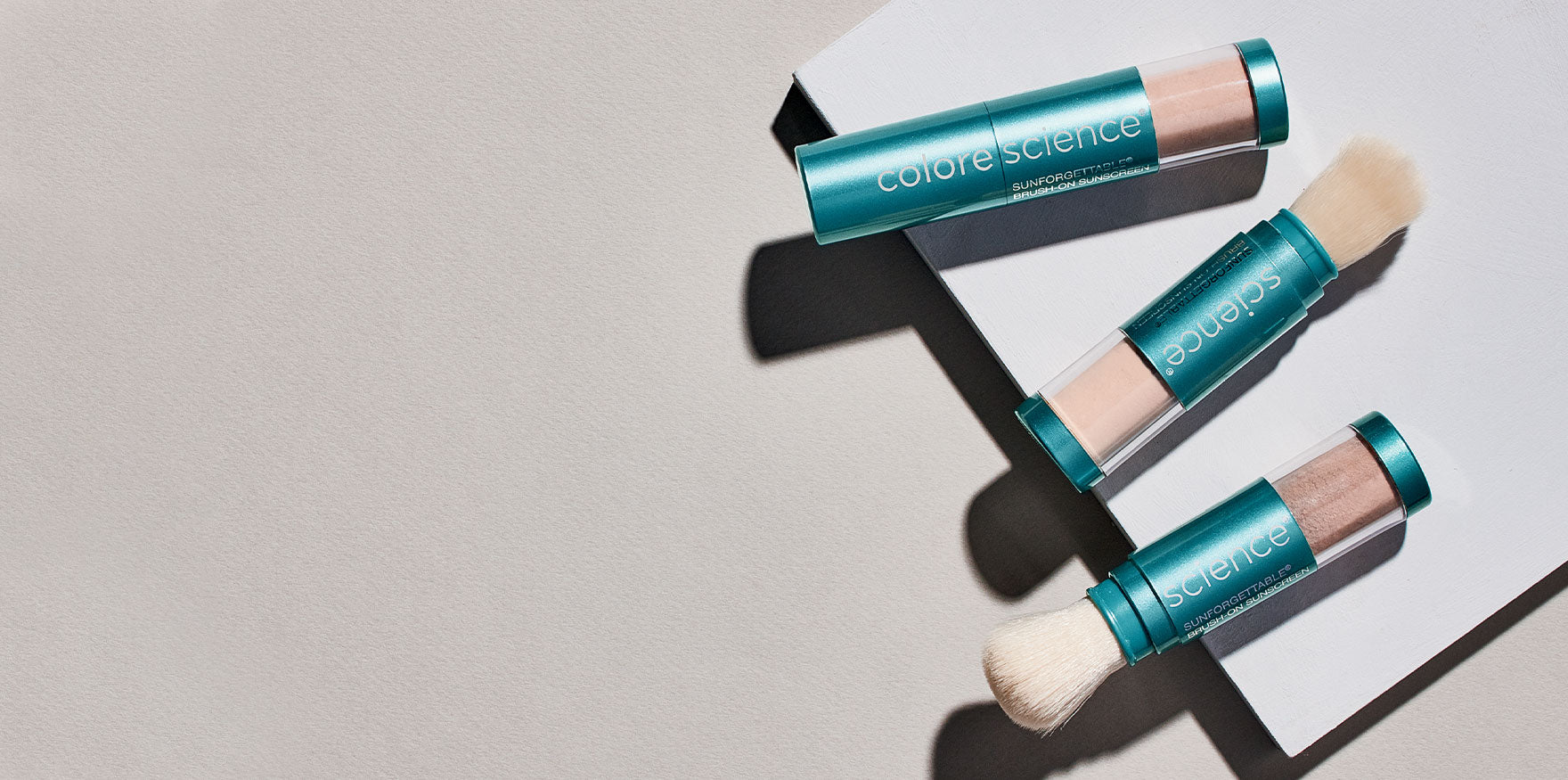
When building a routine that supports aging skin, pairing Vitamin A derivatives with comprehensive sun protection creates a foundation for long-term skin health.
How to Incorporate Vitamin A Into Your Routine
Starting any vitamin A derivative requires patience and attention to how your skin responds. Here's a gentle approach:
- Week 1-2: Apply retinyl palmitate one evening per week after cleansing
- Week 3-4: Increase to two evenings per week if your skin feels comfortable
- Week 5+: Gradually build to three or more times weekly based on your skin's feedback
Always apply to clean, dry skin and follow with a nourishing moisturizer. Morning sun protection isn't optional—it's essential. Vitamin A derivatives can make skin more sensitive to UV exposure, which is why mineral-based sunscreens offer reliable daily defense.
Your evening skincare sequence might look like this:
- Gentle cleanser
- Allow skin to dry completely (5-10 minutes)
- Apply a small amount of your chosen Vitamin A product
- Follow with moisturizer
- Add targeted treatments if desired
Building Your Skincare Foundation
Understanding retinyl palmitate and retinol helps you make informed choices about your routine. Both ingredients offer valuable support for skin that's going through natural changes over time.
The right products work with your lifestyle, not against it. Whether you're drawn to the gentle approach of retinyl palmitate or ready for retinol's more direct path, consistency matters more than intensity.
Pairing Vitamin A derivatives with multi-functional products that protect and nourish your skin creates a complete approach to daily skincare. Mineral-based formulations complement vitamin A use by providing barrier support and comprehensive protection.
Your skin's needs may shift over time, and that's completely natural. What works beautifully in your 30s might need adjustment in your 40s or 50s. Staying attuned to these changes and adapting your routine accordingly supports your skin through every phase.
For those seeking tried-and-true formulations that align with an active skincare routine, dermatologist-tested options provide reliable support alongside your chosen vitamin A derivative.
Frequently Asked Questions
Is retinyl palmitate a retinol?
No, retinyl palmitate is a different form of vitamin A. While both are retinoids, retinyl palmitate requires an additional conversion step compared to retinol, making it gentler and less direct.
Can you use retinyl palmitate every day?
Many people use retinyl palmitate daily once their skin adjusts. Start slowly—once or twice weekly, and increase frequency based on how your skin responds.
Does retinyl palmitate work as well as retinol?
Retinyl palmitate works more gradually than retinol due to its additional conversion step. Both support skin health, but retinol acts more quickly and intensely.
Should I switch from retinyl palmitate to retinol?
If retinyl palmitate serves your skin well, there's no requirement to switch. However, if you want a more intensive approach and your skin tolerates actives well, retinol could be your next step.
What should I avoid when using retinyl palmitate?
Avoid combining retinyl palmitate with other potentially irritating ingredients initially. Always use sun protection during the day, and skip vitamin A derivatives if you're pregnant or nursing without first consulting your healthcare provider.