



Do You Need SPF For Your Eyes? The Truth About Sunscreen for the Eye Area
You apply sunscreen religiously to your face, neck, and body. But what about the delicate skin around your eyes? If you have ever skipped your eye area because traditional sunscreens sting or feel heavy, you are not alone. Many people overlook one of the most vulnerable zones on the face, leaving the thinnest skin unprotected from UV exposure.
The eyelid region deserves just as much attention as the rest of your face. if not more Understanding why your eye area needs SPF and how to apply protection without irritation can help you maintain healthy, youthful-looking skin for years to come.
Why Does the Eye Area Need Mineral Sunscreen for Face Protection?
The skin around your eyes measures less than 0.2 mm thick, making the eyelids among the most frequently neglected areas during sunscreen application. Because of its fragility, the periorbital region shows visible signs of sun exposure faster than other facial zones, including fine lines, crepiness, and uneven pigmentation.
According to research on eye-sun protection, UV radiation can penetrate eye tissues more easily than visible light, potentially increasing the risk of cumulative damage over time. A mineral sunscreen for face protection offers a gentle yet effective solution for defending the delicate eye contour without causing stinging or irritation.
Your daily sun protection routine should extend from your undereye area up to your brow bone and across your eyelids. Sunglasses provide additional protection, but UV rays can still reach your skin from above, below, and at angles where frames do not cover.
Is Mineral Sunscreen Better for the Sensitive Eye Contour?
When choosing a sunscreen for sensitive skin, mineral formulations containing zinc oxide and titanium dioxide offer notable advantages. Mineral sunscreen ingredients sit on the skin's surface and reflect UV rays rather than absorbing into the skin, which often results in less irritation for those with reactive complexions.
For the eye area specifically, an eye cream with SPF for sensitive skin can address multiple concerns simultaneously. A well-formulated product combines sun protection with targeted treatment benefits such as hydration, brightening, and anti-aging support.
Tinted mineral sunscreens for the face and eye area provide an additional benefit: iron oxides help block blue light from screens and digital devices, offering environmental protection beyond traditional UV defense. When you consider how many hours each day you spend in front of computers and phones, blue light protection becomes an important factor in your skincare strategy.
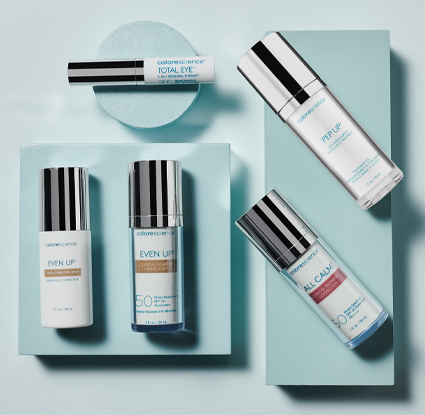
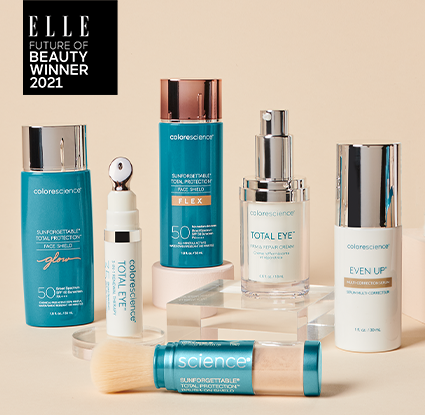
Tinted mineral sunscreens with iron oxides help block blue light from screens and provide environmental protection that extends well beyond traditional UV defense. Total Eye® 3-in-1 Renewal Therapy SPF 35 brings this multi-functional approach directly to the eye area.
This ophthalmologist-reviewed formula combines titanium dioxide and zinc oxide for broad-spectrum SPF 35 PA+++ coverage and blue light defense, while delivering immediate color correction to help brighten dark circles. Clinically studied to be safe and effective for addressing common eye concerns, it's a smart addition to any daily routine.
What Mineral Sunscreen Ingredients Work Best Around Eyes?
The most effective formulations for the eye contour feature zinc oxide and titanium dioxide as active sun-blocking ingredients. According to the National Eye Institute, wearing UV-blocking products consistently helps lower your risk for several eye-related conditions over time.
Beyond the mineral actives, look for supportive ingredients that address common eye area concerns:
-
Peptides: Support collagen and elastin for enhanced firmness around the eyes
-
Caffeine: Helps brighten dark circles and reduce visible puffiness
-
Hyaluronic Acid: Draws moisture into skin for long-lasting hydration
-
Squalane: Reduces the appearance of fine lines and wrinkles
-
Sea Buckthorn Fruit Oil: A botanical humectant rich in vitamins that promotes skin hydration and elasticity
Total Eye® products have been clinically studied to be safe and effective for addressing common eye concerns. Total Eye® Firm & Repair Cream pairs beautifully with daytime SPF protection, offering an advanced anti-aging eye treatment with caffeine, meadowfoam seed oil, and peptides. Ophthalmologist-tested and free of parabens, phthalates, and synthetic fragrance, these formula supports hydration, firmness, and a youthful appearance.
How Should You Apply Mineral Sunscreen for Face and Eye Areas?
Proper application technique matters as much as the product you choose. The eyelids are commonly missed during routine sunscreen application, leaving vulnerable skin exposed.
For optimal coverage:
-
Dispense half a pump to your ring finger for both eyes
-
Dot the product around the entire orbital area
-
Gently tap and smooth from under the eye to the brow, including eyelids
-
Avoid applying directly to the lash line to prevent product migration
-
Allow the formula to set before applying eye makeup
A stick formulation or specifically designed eye care product often works best for the eye area because thicker consistencies stay in place rather than running into the eyes during perspiration or heat exposure.
Can I Use Eye Cream with SPF at Night?
SPF products are designed for daytime use when you need protection from UV exposure. At night, your skin focuses on repair and regeneration, so nighttime routines benefit from treatment-focused formulas without sunscreen actives.
For your evening routine, consider using Total Eye® Firm & Repair Cream to support overnight skin recovery. The formula delivers caffeine to help reduce puffiness, peptides to support collagen, and squalane for smoothing and hydration. In the morning, come back to Total Eye® 3-in-1 Renewal Therapy SPF 35 for daily sun protection and color correction.
Consistency matters for lasting results. Using dedicated AM and PM eye products creates a comprehensive approach to eye area skincare that supports both protection and treatment benefits.
What About Face Sunscreen for Acne-Prone Skin Near the Eyes?
If you have oily or blemish-prone skin, choosing a non-comedogenic tinted sunscreen helps you protect your face without contributing to congestion. For the eye area specifically, formulas designed for sensitive zones offer a gentler approach.
A well-formulated mineral-based sunscreen typically feels lightweight and comfortable for extended wear. Look for products labeled as safe for sensitive eyes and contact lens wearers, especially if you react to traditional sunscreen formulations.
Research on sunscreen application indicates that moisturizer-based SPF products may result in less coverage compared to dedicated sunscreen formulas, particularly around the eyelid regions. For reliable protection, products specifically formulated for the eye area often deliver more consistent results.
Conclusion
Your eye area deserves the same attention you give to the rest of your face. With the right mineral-based sunscreen and application approach, you can protect delicate skin without irritation while addressing concerns like dark circles, fine lines, and puffiness. Prioritizing daily SPF for your eye contour supports healthy, youthful-looking skin today and for years ahead.
Frequently Asked Questions
1. Can regular face sunscreen go around the eyes?
While you can apply regular mineral sunscreen for face protection near the eye area, dedicated eye formulas are recommended. Products designed for the periorbital region typically cause less stinging and address specific concerns like dark circles and fine lines.
2. How often should I reapply SPF around my eyes?
Reapply your eye area sunscreen every two hours during extended outdoor exposure, and after swimming or heavy perspiration. Products with a cooling applicator make midday touch-ups simple without disrupting makeup.
3. Are tinted mineral sunscreens safe for the eye area?
Yes, a tinted mineral sunscreen for face use containing iron oxides can be safe around the eyes when formulated specifically for sensitive areas. Iron oxides also provide additional blue light protection from screens and environmental stressors.