


How to Layer Eye Treatment, SPF, and Makeup Without Pilling or Creasing
You just finished your morning skincare routine. Your eye treatment is on. Your sunscreen is applied. But the moment you blend your concealer, tiny balls of product start forming under your eyes. Sound familiar? Pilling and creasing can turn your best skincare efforts into a frustrating mess, especially around the delicate eye area.
The good news is that achieving a smooth, crease-free finish is entirely possible. With the right layering sequence and a few smart techniques, your eye treatment, SPF, and makeup can work together beautifully. Whether you use a face primer with SPF or layer multiple products, understanding the correct order makes all the difference.
Should You Apply Serum or Moisturizer First?
The golden rule of skincare layering is simple: apply products from thinnest to thickest consistency.
For example, your skincare routine might include serums (which typically contain smaller molecules designed to penetrate deep into your skin) and moisturizers (which create a thicker, hydrating barrier). When deciding whether to apply the serum or moisturizer first, start with the product that has the thinnest consistency - in this case, the serum.
If you apply moisturizer before serum, the heavier formula creates a barrier that prevents your serum from absorbing properly. For a complete breakdown of the correct order of products for skin care, following the thin-to-thick approach ensures each product performs at its best.
Does Sunscreen Go Before or After Moisturizer?
One of the most common questions in skincare is whether sunscreen goes before or after moisturizer. The answer depends on the type of sunscreen you use. Mineral sunscreens create a physical barrier on top of your skin, so they should be applied after the moisturizer has fully absorbed. Chemical sunscreens need to penetrate the skin to work, so some formulations may require different timing.
For most routines, moisturizer should absorb completely before you apply SPF. A study published in the Journal of Clinical and Aesthetic Dermatology confirmed that moisturizing creams applied shortly before or after sunscreen do not significantly alter SPF effectiveness when products are given proper absorption time. Allow one to two minutes between your moisturizer and sunscreen for best results.
Does Primer Go on Before Moisturizer?
Understanding where primer fits in your routine is essential for preventing pilling. Does primer go on before moisturizer? No. Moisturizer should always come before primer. Your moisturizer hydrates and prepares your skin, while primer creates a smooth canvas for makeup application.
The correct morning sequence looks like this:
-
Cleanser
-
Eye treatment or serum
-
Moisturizer (allow to absorb)
-
Sunscreen (allow to set)
-
Primer
-
Makeup
A makeup primer with SPF can simplify your routine by combining two steps. Products like the Colorescience Mattifying Primer SPF 20 offer broad-spectrum protection while controlling shine and extending makeup wear. For those with oily skin, a primer with SPF for oily skin helps manage excess sebum throughout the day.
What Causes Pilling Under the Eyes?
Pilling happens when products do not mix well together or when you rush your application. The delicate under-eye area is particularly prone to pilling because the skin is thinner and moves frequently with facial expressions.
Several factors contribute to pilling:
-
Layering products too quickly without allowing absorption time
-
Using too much product in one application
-
Combining incompatible formulas, such as mixing silicone-based and water-based products
-
Rubbing products in rather than patting gently
-
Dry, textured skin that causes products to sit on the surface
When you understand when to apply eye cream in your routine, you can prevent many of these issues. Eye treatments should go on early in your routine, right after cleansing, to allow maximum absorption time before SPF and makeup.
How Can You Prevent Creasing Around the Eyes?
Creasing occurs when excess product settles into fine lines and natural folds around the eyes. Hydrated skin is your best defense against creasing. When the under-eye area is properly moisturized, concealer glides on smoothly without grabbing onto dry patches.
Here are practical strategies to prevent creasing:
-
Use lightweight, hydrating eye treatments before makeup
-
Apply thin layers of concealer rather than one thick application
-
Avoid placing too much product directly on the lower lash line
-
Pat products into the skin using your ring finger or a damp sponge
-
Set with a finely milled translucent powder, pressed gently rather than swept
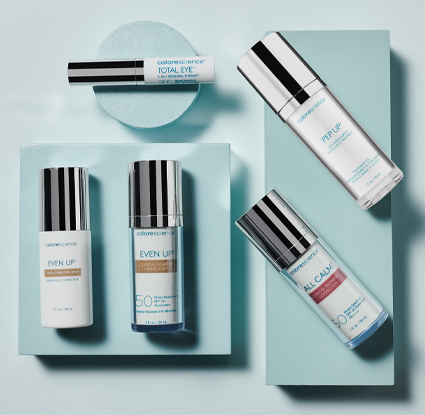
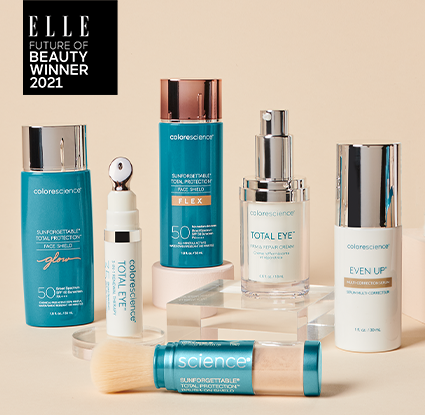
The Total Eye® 3-in-1 Renewal Therapy SPF 35 is ophthalmologist-reviewed and works beautifully as both a treatment and primer for the delicate eye area. Apply it before eye makeup to prime the skin while addressing dark circles, puffiness, and fine lines.
Which Primer with SPF Works Best for Your Skin?
Choosing the right face primer with SPF depends on your skin type and concerns. A tinted primer with SPF can even skin tone while providing sun protection. For those dealing with redness, the Colorescience Calming Primer SPF 20 soothes sensitive skin with green tea leaf extract and cucumber. If excess oil is your concern, the Mattifying Primer SPF 20 controls shine while offering broad-spectrum protection.
For a subtle glow, the Colorescience Bronzing Primer SPF 20 delivers a sun-kissed tint without UV exposure. The Colorescience Brightening Primer SPF 20 illuminates dull complexions with a soft yellow tint that combats sallowness.
Step-by-Step Routine for Pilling-Free Makeup
Follow this sequence for seamless layering:
-
Cleanse your face thoroughly to remove overnight oils
-
Apply your eye treatment and allow one minute for absorption
-
Apply facial serum if using one
-
Moisturize and wait one to two minutes
-
Apply sunscreen and let it set for five to ten minutes
-
Apply primer using gentle patting motions
-
Apply foundation in thin layers
-
Set with powder if needed
Mineral sunscreens form a physical barrier and require additional setting time. Rushing this step often causes pilling when you apply primer and makeup.
Achieve a Flawless, Crease-Free Finish
Layering eye treatment, SPF, and makeup without pilling or creasing requires patience and the right products. Understanding that sunscreen goes after moisturizer, serums come before thicker creams, and primers follow sunscreen sets you up for success.
Multi-functional products simplify your routine while delivering real results. The Barrier Pro™ Collection supports healthy skin barrier function, while mineral cosmetics provide wearable coverage with skin-friendly ingredients.
Ready to build a routine that works? Shop Colorescience for science-backed formulas that deliver immediate confidence and long-term visible results.
FAQs
1. Can I skip primer if my sunscreen has a matte finish?
A good SPF can sometimes act as a primer, but a dedicated makeup primer with SPF formulas extends makeup wear and create a smoother canvas for foundation.
2. Why does my concealer crease even with primer?
You may be using too much product or not hydrating the under-eye area sufficiently. Try thinner layers and ensure your eye treatment has fully absorbed before applying makeup.
3. Should I use different products for the eye area?
Yes. The skin around your eyes is thinner and more delicate. Ophthalmologist-reviewed formulas designed for the eye area help prevent irritation and creasing.
4. How long should I wait between skincare steps?
Allow one to two minutes between each layer of skincare. Sunscreen needs the longest wait time, ideally five to ten minutes before primer and makeup.