



How To Stimulate Collagen In Face
Your skin's firmness starts to shift around your mid-thirties. Lines appear where laughter once sat, and that plump resilience you took for granted begins to soften. What changed? The answer lies beneath the surface, in a protein called collagen.
Collagen forms the structural foundation of your skin, accounting for about 75% of its dry weight. When production slows, your complexion loses density and bounce. But here's what matters: you can influence how your skin produces and maintains this essential protein.
What Promotes Collagen Production in Your Skin?
Understanding how to increase collagen in face tissue requires knowing what drives its creation. Your skin's fibroblast cells manufacture collagen continuously, but this process needs specific building blocks and signals to function optimally.
UV rays activate enzymes that break down existing collagen while simultaneously blocking new synthesis. This creates a deficit that compounds over time, manifesting as fine lines and textural changes.
Environmental factors play a supporting role. Pollution particles generate oxidative stress that damages fibroblast function. Sleep quality affects cellular repair cycles. Even your stress levels influence cortisol production, which can interfere with collagen formation.
How To Boost Collagen In Face: Proven Topical Approaches
Your skincare routine creates direct contact with the layers where collagen lives. Certain ingredients penetrate deeply enough to signal increased production.
Retinoids stand at the forefront of collagen-boosting ingredients for skin. These vitamin A derivatives upregulate genes responsible for collagen synthesis while simultaneously reducing breakdown. Clinical studies show measurable improvements in skin density after consistent use.
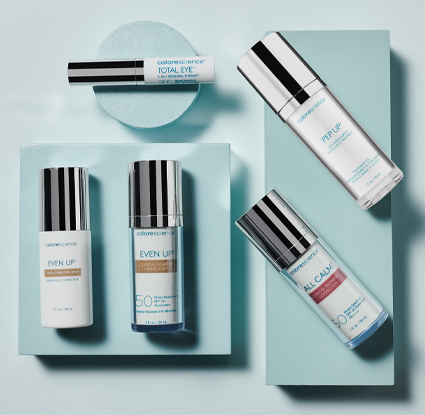
Vitamin C serves as a cofactor in collagen assembly. Without adequate levels, your fibroblasts can't properly form collagen's triple-helix structure. A peptide-rich serum delivers amino acid building blocks while supporting your skin's natural production pathways.
Alpha hydroxy acids work through controlled exfoliation. By removing damaged surface cells, they trigger your skin's repair response, including an increase in collagen synthesis in the deeper dermis.
Consider layering these elements strategically. After cleansing, apply vitamin C, then a peptide treatment, and seal with a mineral sunscreen. This sequence maximizes penetration while protecting newly stimulated collagen from UV damage.
How To Rebuild Collagen In The Face Through Daily Protection
Prevention matters as much as stimulation. Every day, environmental aggressors work against your collagen network, breaking down fibers faster than your body can replace them.
UV radiation remains the primary external threat. Both UVA and UVB rays penetrate skin, generating free radicals that attack collagen fibers. This process, called photoaging, accelerates visible aging beyond what genetics alone would produce.
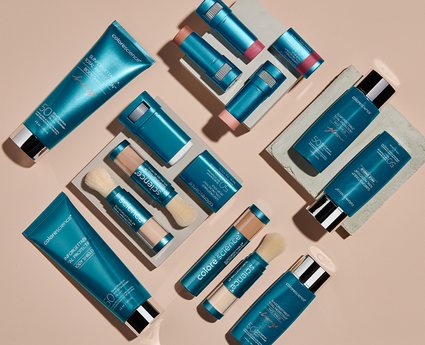
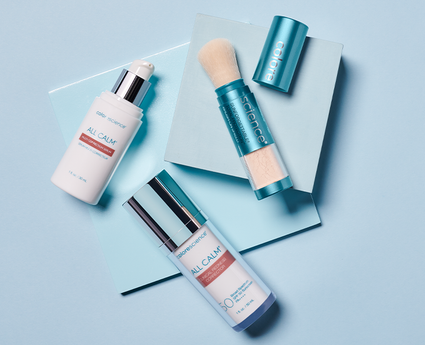
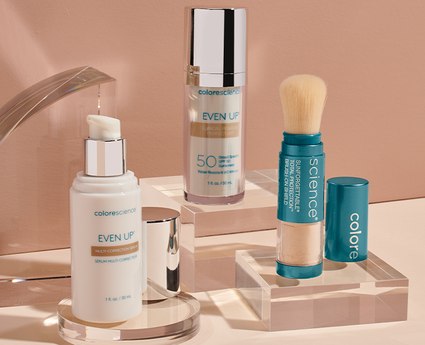
Broad-spectrum mineral protection creates a physical barrier against these wavelengths. Unlike chemical sunscreens that absorb UV energy, mineral formulas reflect light away from your skin entirely. This prevents the oxidative cascade that leads to collagen degradation.
Blue light from screens adds another dimension to modern skin aging. While its effects are subtler than UV, prolonged exposure still generates reactive oxygen species that compromise collagen integrity. Comprehensive protection addresses this full spectrum of damaging wavelengths.
Application technique matters here. Most people use only 25-50% of the recommended sunscreen amount, leaving gaps in coverage. Apply a nickel-sized amount for your face and neck, reapplying every two hours during sun exposure.
How To Restore Collagen In Face: Supporting Barrier Function
Your skin barrier and collagen network work together. When the barrier function weakens, moisture escapes, inflammatory signals increase, and collagen production suffers.
Barrier disruption shows up as dryness, sensitivity, and compromised texture. These surface symptoms reflect deeper dysfunction in the dermis, where collagen resides. Addressing barrier health creates the foundation for improved collagen status.
Supportive moisturization delivers the lipids and humectants your barrier needs to function. Ceramides replenish the mortar between skin cells. Hyaluronic acid holds moisture in multiple skin layers. Together, they create an environment where fibroblasts can focus on collagen production rather than crisis management.
The microbiome dimension adds complexity. Beneficial bacteria on your skin surface influence inflammation levels and barrier integrity. Supporting this microbial ecosystem through balanced cleansing and pH-appropriate products indirectly supports collagen health.
How To Improve Collagen In Face: Lifestyle Factors That Matter
Skincare products work within a larger context. Your daily habits either support or undermine collagen production in ways that no serum can fully overcome.
Sleep quality directly affects skin repair. During deep sleep stages, growth hormone peaks, driving cellular regeneration, including collagen synthesis. Chronic sleep deprivation measurably reduces this repair window, leaving your skin to manage ongoing damage without adequate renewal.
Dietary choices provide raw materials. Collagen formation requires vitamin C, zinc, copper, and amino acids. A diet lacking these elements limits production regardless of topical interventions. Colorful vegetables, quality proteins, and healthy fats supply these building blocks naturally.
Hydration status affects skin plumpness and cellular function. When you're dehydrated, your body prioritizes vital organs over skin, reducing the resources available for collagen maintenance. Adequate water intake supports the entire cellular environment where collagen production occurs.
Stress management deserves attention, too. Elevated cortisol levels interfere with collagen synthesis while promoting breakdown. Finding effective stress reduction techniques, whether movement, meditation, or creative outlets, benefits your skin measurably.
Building Your Collagen-Focused Routine
A strategic approach combines multiple elements rather than relying on any single solution. Start with sun protection; this non-negotiable step prevents ongoing damage that would undermine other efforts.
Layer peptide-based treatments that supply building blocks and signal production. Add antioxidants to neutralize free radicals before they damage existing collagen. Support barrier function to create the optimal environment for fibroblast activity.
Your collagen status reflects both time and attention. While you can't prevent aging entirely, you can significantly influence how your skin ages. Strategic collagen support keeps your complexion resilient, helping you look as vibrant as you feel.
Frequently Asked Questions
Q. How long does it take to see results from collagen-stimulating skincare?
Most people notice texture improvements within 4-6 weeks of consistent use. Visible changes in firmness and line depth typically appear around the 12-week mark as new collagen accumulates.
Q. Can you stimulate collagen production naturally without products?
Sun protection, adequate sleep, balanced nutrition, and stress management all support natural collagen production. However, topical ingredients like peptides and vitamin C enhance these baseline efforts significantly.
Q. Do collagen supplements help facial collagen?
Some research suggests oral collagen peptides may support skin hydration and elasticity. Results vary individually, and topical application combined with sun protection remains the most direct approach for facial collagen support.
Q. What destroys collagen in your face?
UV radiation, pollution, smoking, excessive sugar consumption, and chronic stress all accelerate collagen breakdown. Protecting against these factors is as important as stimulating new production.
Q. Is it possible to rebuild lost collagen?
While you can't reverse all age-related collagen loss, consistent use of proven ingredients and sun protection can stimulate new collagen synthesis and slow ongoing degradation.