
You've felt it before, stepping from a crisp autumn morning into the first cold snap of winter, and suddenly your once-glowing complexion feels tight and uncomfortable. Or perhaps you've noticed your skin behaving completely differently during a beach vacation versus your usual routine at home. Your skin is responding to its environment, and understanding these shifts can help you maintain that radiant, healthy appearance you work so hard to achieve.
Climate plays a powerful role in how your skin looks and feels. From the moisture in the air to temperature fluctuations, your skin constantly adapts to its surroundings. The good news? With a few thoughtful adjustments to your skincare routine, you can support your skin through any climate change.
Why Does Skin Get Dry in Winter?
Winter air holds less moisture than warmer seasons, which directly affects your skin's hydration levels. When humidity drops, both outdoors in the cold and indoors with central heating, your skin loses water more rapidly through a process called transepidermal water loss. Your skin barrier, which normally helps seal in moisture, can become compromised when it's constantly battling dry conditions.
Cold temperatures also slow down your skin's natural oil production. While you might appreciate less shine in summer, this reduction in sebum during winter means your skin has less natural protection against moisture loss. Add in harsh winds, and the contrast between frigid outdoor air and warm indoor heating, and you have the perfect conditions for that tight, flaky feeling many experience during colder months.
Is Cold Weather Good for Your Skin?
Cold weather presents both challenges and opportunities for your skin. On one hand, cooler temperatures can help calm inflammation and temporarily tighten pores, giving skin a smoother appearance. Many people with oily or combination skin appreciate the reduction in excess oil production that comes with lower temperatures.
However, the effects of cold weather on skin extend beyond temperature alone. The real concern isn't cold air itself; it's the combination of cold plus low humidity. When these factors work together, they can weaken your skin's protective barrier, leading to sensitivity, redness, and discomfort. For those prone to conditions like rosacea, the rapid temperature changes between indoor and outdoor environments can trigger flare-ups.
The key is supporting your skin's barrier function during cold months so you can enjoy winter activities without compromising your complexion's health and comfort.
How Does Humid Weather Affect Your Skin?
Humid weather skin care requires a different approach entirely. When the air is saturated with moisture, your skin doesn't lose hydration as quickly, which sounds like good news. But is humid weather good for skin? The answer is nuanced.
High humidity can actually benefit dry skin types by reducing water loss and helping skin maintain its plumpness. The extra moisture in the air acts as a buffer, preventing that tight, dehydrated feeling. However, humidity also increases your skin's temperature and stimulates oil glands to produce more sebum. For oily or combination skin types, this can mean clogged pores, breakouts, and unwanted shine.
Humid climates also tend to come with increased exposure to environmental stressors. Sweat and oil mixing on the skin's surface can create an environment where blemishes thrive, and pollution particles more easily adhere to damp skin.
What Are the Effects of Cold Weather on Skin?
Beyond dryness, cold weather creates a cascade of effects on your skin. Blood vessels constrict in response to cold temperatures, reducing circulation to your skin's surface. While this is your body's way of conserving heat, it can leave your complexion looking dull and less vibrant.
The effects of cold weather on skin also include increased sensitivity. When your skin barrier is compromised by dry conditions, it becomes more reactive to everything from skincare products to environmental irritants. You might notice products that worked beautifully in summer suddenly causing stinging or redness.
Chapped lips, rough patches on cheeks, and irritation around the nose are common complaints. These areas have thinner skin and fewer oil glands, making them particularly vulnerable to cold, dry conditions.
How to Adjust Your Routine for Different Climates
Adapting your skincare to match your environment doesn't mean overhauling your entire routine with each season. Small, strategic shifts can make a significant difference.
Winter Climate Adjustments
When temperatures drop and humidity plummets, your skin needs extra support to maintain its barrier function and moisture levels.
-
Cleanse gently: Switch to cream-based or oil-based cleansers that remove impurities without stripping natural oils. Your skin needs those protective lipids during the winter months.
-
Layer hydration: Start with a lightweight, hydrating serum, then follow with a richer moisturizer to seal everything in. The Barrier Pro Essential Moisturizer helps strengthen your skin's protective barrier while providing intensive hydration that permeates multiple skin layers, exactly what cold-weather skin craves.
-
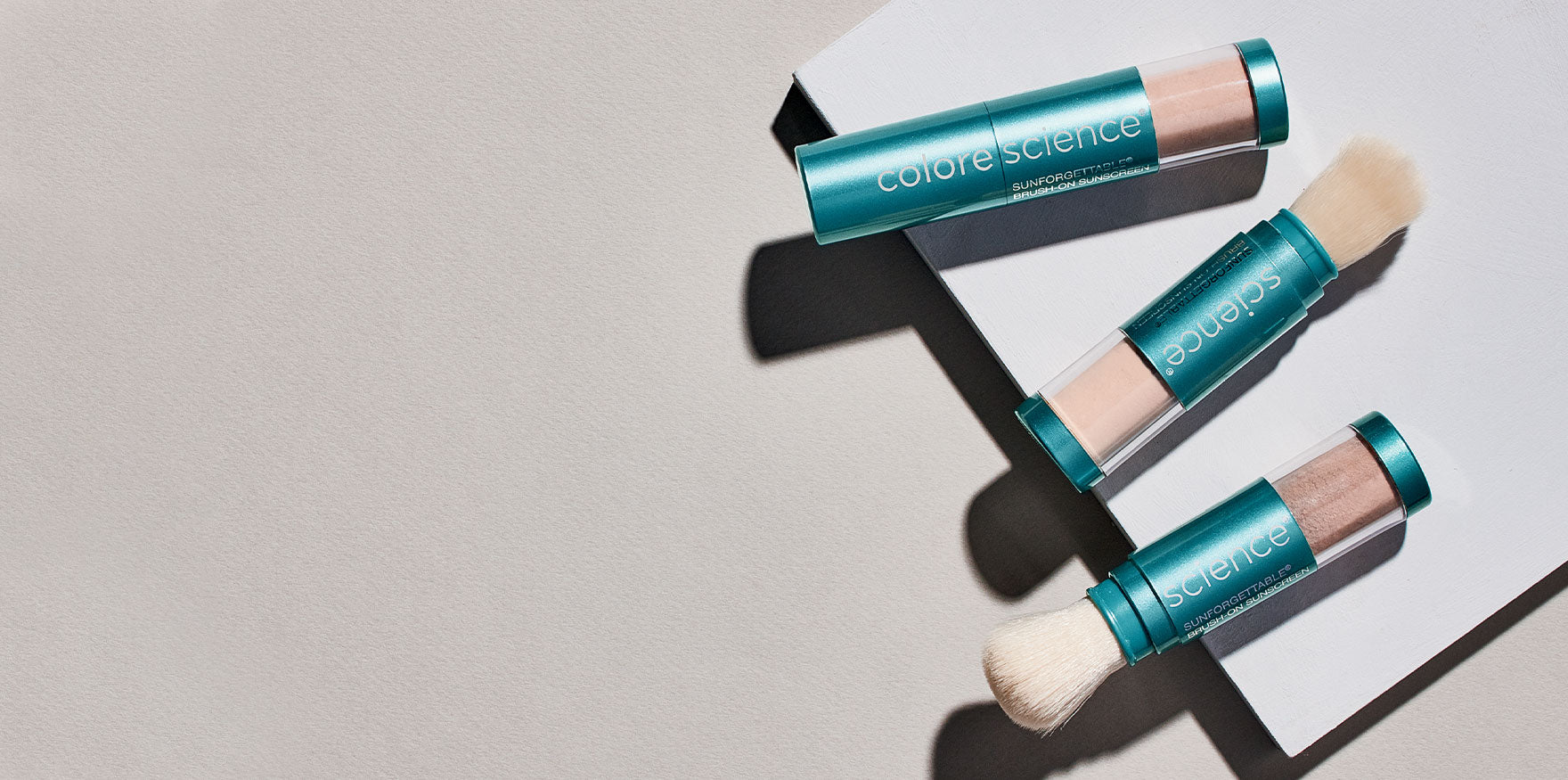
Protect continuously: Many people skip sunscreen in winter, assuming reduced sun exposure means reduced risk. UV rays remain present year-round, and snow can actually intensify their effects through reflection. A mineral-based formula like Face Shield Flex SPF 50 provides broad-spectrum protection while adding beneficial hydration, rather than creating another layer that needs to dry out your skin.
Avoid common mistakes: Hot showers feel wonderful in winter, but can further strip your skin's natural oils. Keep water lukewarm and shorter in duration. Also, resist the urge to over-exfoliate in an attempt to remove flaky skin; this can damage your already-stressed barrier.
Humid Climate Adjustments
When the air is heavy with moisture, your approach shifts to managing oil production and preventing congestion while still maintaining skin health.
-
Lighten your layers: Gel-based or water-based moisturizers provide necessary hydration without the heaviness of cream formulations. Your skin still needs moisture, just in a different texture.
-
Keep protection lightweight: Broad-spectrum sun protection remains non-negotiable, but choose formulas that won't feel heavy or greasy in humidity. Mineral-based options often feel lighter than chemical alternatives while providing the same comprehensive protection.
-
Maintain your barrier: Even in humid weather, your skin's barrier needs support. Environmental stressors like pollution are often more prevalent in humid climates, so products that support your microbiome and strengthen your protective barrier remain important.
-
Address uneven tone: Humid climates often mean more sun exposure, which can lead to pigmentation concerns. Adding a targeted treatment like Even Up Multi-Correction Serum can help address discoloration while delivering intense hydration in a lightweight format.
Transitional Seasons
Spring and autumn bring their own challenges as your skin adjusts from one extreme to another.
-
Listen to your skin: Pay attention to how your skin feels during these transitions. You might need to alternate between your winter and summer products depending on daily conditions.
-
Adjust gradually: Give your skin time to adapt to new products. Introducing changes slowly over two to three weeks allows your skin to acclimate without becoming overwhelmed or reactive.
-
Stay flexible: Some days might call for your richer winter moisturizer, while others work better with a lighter formula. There's no rule saying you can't switch based on what your skin is telling you.
Year-Round Essentials
Regardless of climate, certain practices remain constant for healthy skin:
- Daily sun protection with mineral-based SPF 30 or higher
- Gentle cleansing morning and evening
- Adequate hydration (both topical and internal)
- Supporting your skin's barrier function
- Using products suited to your skin's current needs, not your skin type
Building Your Climate-Smart Routine
Rather than completely changing your routine with each season, think of climate adjustments as fine-tuning. Your core routine—cleanse, treat, moisturize, protect- stays the same. What changes are the specific formulations within each step?
For comprehensive support across all climates, the dry skin collection offers scientifically-formulated options that work with your skin's natural functions rather than against them. When you're ready to refresh your routine for the current season, the what's in this season collection provides curated options for timely skin concerns.
Your skin is remarkably adaptive, but it performs best when you give it the right support for its current environment. Whether you're facing the effects of cold weather on skin or navigating humid weather skin care, small adjustments made thoughtfully can help you maintain that healthy, radiant complexion you deserve.
Frequently Asked Questions
What ingredients should I avoid in winter moisturizers?
Avoid alcohol-based products and harsh exfoliants that can further compromise your winter skin barrier. Instead, look for ceramides, hyaluronic acid, and nourishing botanical ingredients that support rather than strip your skin.
How often should I adjust my skincare routine for climate change?
Your skin typically needs 2-3 weeks to adjust to significant changes in climate. Pay attention to how your skin feels and looks, and make gradual modifications as needed rather than drastic overnight changes.
Can I use the same SPF in winter and summer?
Yes, a broad-spectrum SPF 30 or higher is effective year-round. The difference might be in texture; you may prefer a more hydrating formula in winter and a lighter one in humid summer months, but the protection level should remain consistent.
Does indoor heating really affect my skin?
Indoor heating significantly reduces humidity levels, which accelerates moisture loss from your skin. Using a humidifier at home and applying moisturizer more frequently can help counteract these effects during the winter months.