
Choosing between SPF 50 and SPF 30 is one of those little decisions that can feel bigger than it needs to. You want to do right by your skin, and with so many options on the shelf, it helps to understand what each number actually means for you. Both offer real, meaningful protection. The key is knowing which one fits your life, your routine, and your skin's everyday needs.
What's the Actual Difference Between SPF 30 and SPF 50?
The difference between SPF 30 and SPF 50 lies in the level of UVB protection each provides. While both offer substantial shielding from harmful rays, SPF 50 allows less UV radiation to reach your skin compared to SPF 30; approximately 50% less UVB gets through with the higher SPF level.
Sun Protection Factor (SPF) measures how well a sunscreen shields your skin from burning. Think of it as a ratio: if your unprotected skin would redden after 10 minutes in the sun, SPF 30 theoretically extends that time to 300 minutes, while SPF 50 extends it to 500 minutes. However, this doesn't mean you can stay in the sun longer without reapplying.
Does SPF 50 Sunscreen Block More UV Rays Than SPF 30?
Yes, it does. SPF 50 filters out slightly more UVB radiation than SPF 30, which means a little extra protection for your complexion when applied the way it should be. But the word to hold close here is correctly. Research on sunscreen efficacy tells us that using enough product and reapplying faithfully matters far more than the number on the label.
For well-rounded daily protection, a broad-spectrum mineral sunscreen is your best companion. It shields against both UVA and UVB rays. UVA reaches deeper into the skin and plays a role in premature aging, while UVB is the one responsible for sunburn. A quality formula takes care of both, so your skin is truly covered.
When Should You Choose SPF 50 vs SPF 30?
SPF 50 is a smart choice anytime you want stronger protection. It's especially beneficial for extended outdoor time, high-altitude activities, or exposure near water and snow, where UV reflection intensifies.
SPF 30 is a solid foundation for daily routines with more limited outdoor exposure, like commuting or working near windows. That said, the American Academy of Dermatology recommends SPF 30 as the minimum for any sun protection routine, so consider your lifestyle and skin needs when choosing your level.
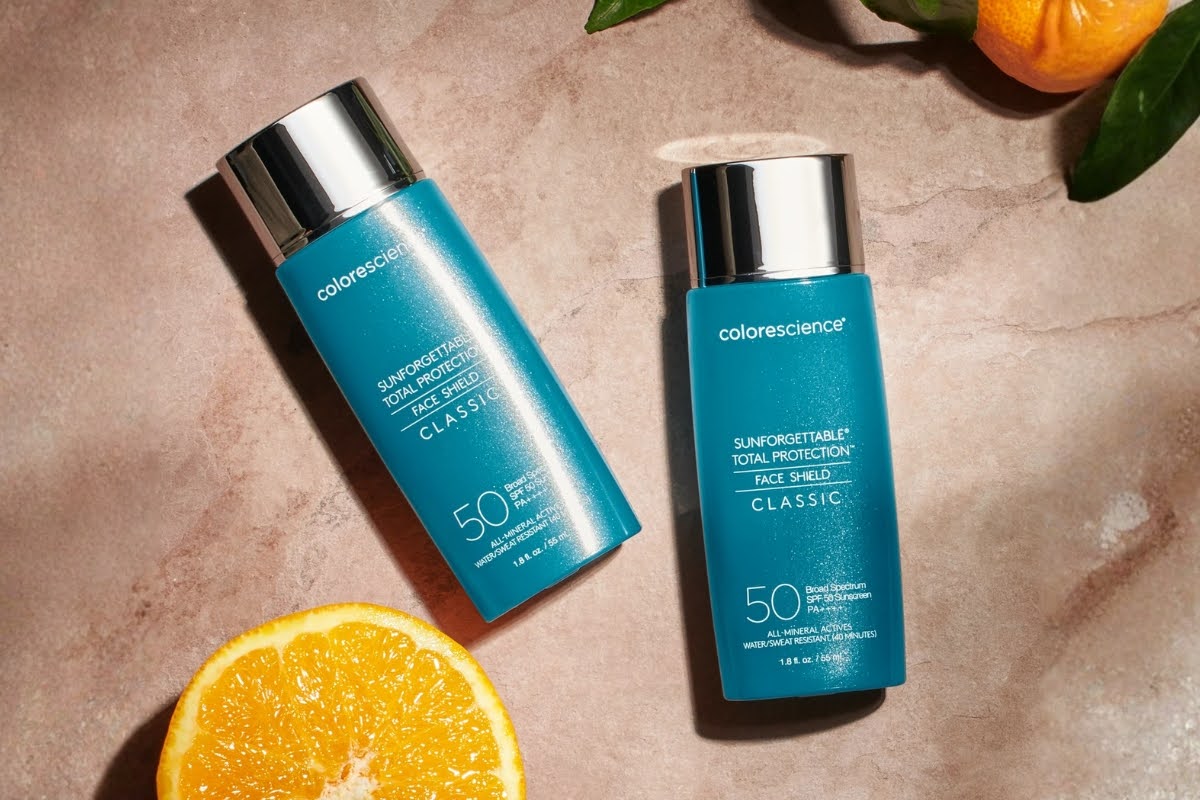
Your best approach? Choose a formula you'll actually use every single day. Total Protection Face Shield Flex SPF 50 combines mineral protection with a tinted finish that adjusts to your skin tone, making daily application something to look forward to rather than endure. For those seeking completely sheer coverage, Total Protection No-Show Mineral Sunscreen SPF 50 delivers invisible protection without any white cast.
Do Both SPF 30 and SPF 50 Need Reapplication?
Every single time. This is where a lot of us get tripped up. Higher SPF doesn't mean longer-lasting protection. Whether you're wearing SPF 30 or SPF 50, reapplication every two hours during sun exposure is essential, and sooner if you've been swimming or perspiring.
Think of SPF like a soft, protective veil that gently thins over time, not a clock counting down. Sunlight, natural skin oils, and even the brush of fabric against your cheek all play a role in wearing it away. Your morning application, as lovingly as you applied it, simply can't carry you through an entire afternoon outdoors.
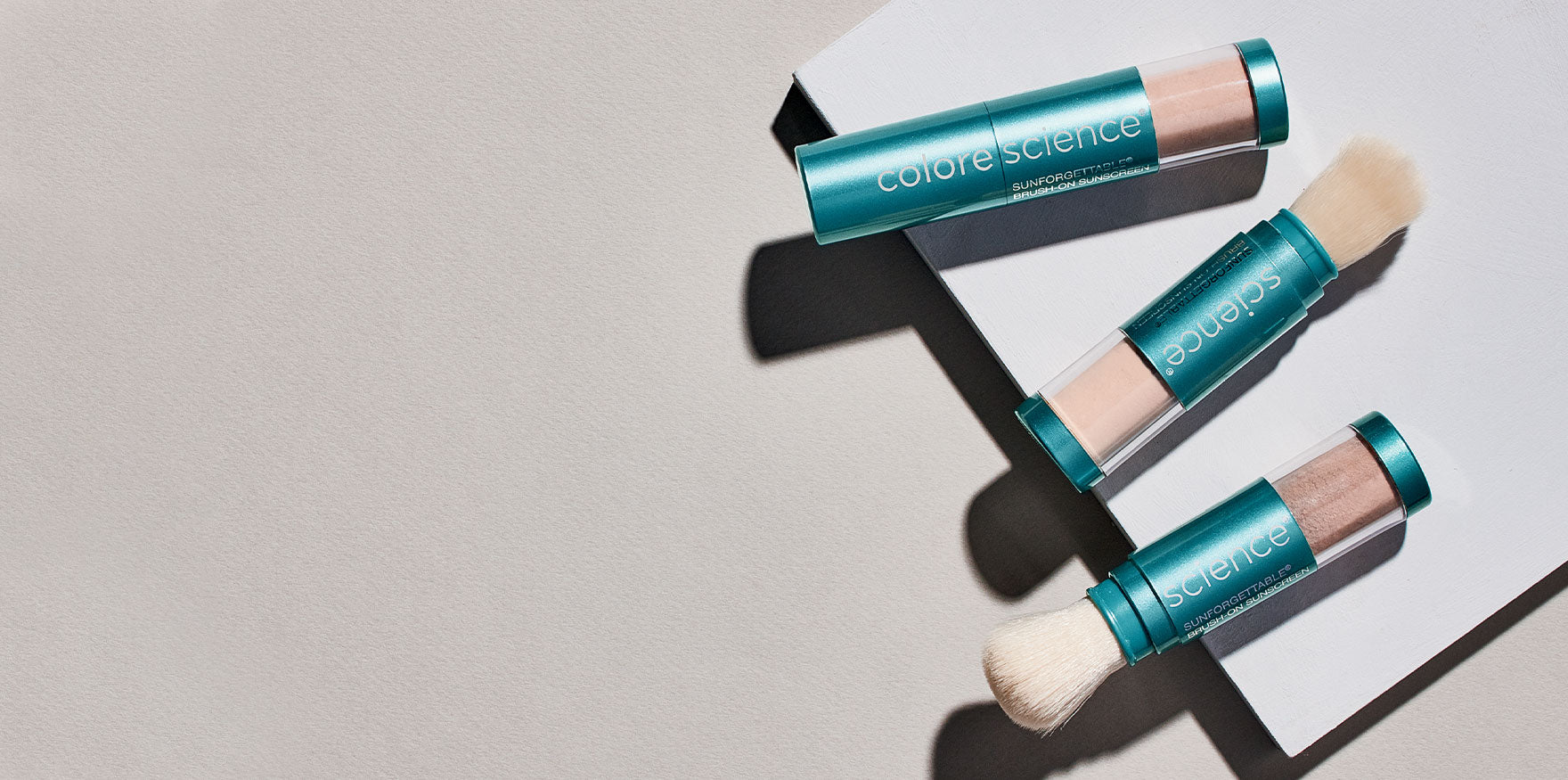
The lovely part? Reapplication doesn't have to feel like a chore. Brush-on mineral sunscreens from the sun protection collection make midday touch-ups effortless, even over makeup. Tuck one in your bag, keep one in your car. When sun care becomes second nature, it stops feeling like an obligation and starts feeling like a kindness you do for yourself.
Can Higher SPF Replace Daily Sunscreen Habits?
No amount of SPF can replace consistent application and proper sun protection behaviors. Studies on sunscreen effectiveness show that real-world protection depends more on how you use sunscreen than the SPF number you choose.
Proper application means using about a nickel-sized amount for your face and neck; most people apply only 25-50% of this recommended amount. Layering sun protection gives you the best results. Start with a mineral sunscreen that offers broad-spectrum protection against UVA, UVB, blue light, and infrared radiation.
The difference between SPF 50 sunscreen vs SPF 30 matters less than choosing a formula you'll wear consistently, apply generously, and reapply regularly. Both deliver meaningful protection when used correctly. Your skin benefits most from a sunscreen you love using every single day: rain or shine, indoors or out, paired with smart sun habits that support long-term skin health.
Frequently Asked Questions
Q. Is SPF 50 twice as protective as SPF 30?
No, the protection increase between SPF 30 and SPF 50 is meaningful but not proportional to the number difference. Both require the same application habits for effectiveness.
Q. Can I skip reapplication with SPF 50?
Never skip reapplication regardless of SPF level. Both SPF 30 and SPF 50 formulas need reapplication every two hours during sun exposure, or immediately after water contact or heavy sweating.
Q. Is SPF 30 enough for indoor days?
SPF 30 provides reliable everyday protection, especially on days with limited time in direct sunlight. Because UVA rays can penetrate windows, consistent daily sunscreen application supports long-term skin health whether you're inside or out.
Q. Does SPF 50 feel heavier on skin than SPF 30?
Formula texture depends on the sunscreen's base and ingredients, not the SPF level. Modern mineral formulas like lightweight mineral sunscreens offer comfortable wear at SPF 50 without heaviness.