


What Are Encapsulated Pigments and Why Do They Make Tinted Sunscreen Better?
Finding a mineral-tinted sunscreen that truly understands your skin, its unique tone, and its natural texture can feel like finding the perfect match. You deserve a formula that works with your complexion, not against it. Something weightless, luminous, and designed to let your skin breathe and shine through, all while keeping it beautifully protected.
When you find yourself wondering, "What is a mineral sunscreen that actually looks natural?" the answer begins with how today's formulations are designed to honor your skin's own beauty. Encapsulated pigment technology is one such innovation, a refined approach to delivering color that blends seamlessly with your natural complexion.
How Do Encapsulated Pigments Work in Mineral Tinted Sunscreen?
Encapsulated pigments represent an innovative approach to tinted sunscreen formulation. Iron oxide pigments, which provide the color in skin-tint sunscreen products, are coated within tiny protective cellulose-based shells. In the bottle, the formula appears white because the color remains hidden inside microscopic capsules.
As you dispense the product onto your fingertips and begin to blend, friction breaks open the capsules. The pigments release gradually as you rub, allowing the shade to develop and adjust to your unique complexion. The result is a tone-adapting finish that blends seamlessly rather than sitting on top of your skin.
A tinted sunscreen with iron oxides also helps to block HEV, blue light, adding an extra layer of environmental defense beyond standard UV protection.
Why Does Mineral Sunscreen for Sensitive Skin Benefit from Encapsulated Technology?
For those with reactive or sensitive skin, mineral sunscreen has been the recommended choice. Mineral actives like zinc oxide sit on the skin's surface and physically deflect UV rays. However, finding a mineral-tinted sunscreen that matches your skin tone has historically been challenging.
Encapsulated pigments solve multiple problems at once. The protective shells keep iron oxide pigments stable within the formula, preventing oxidation that can alter color accuracy over time. When someone asks, "Does mineral sunscreen expire?" stability matters because degraded pigments can affect both color and performance. The encapsulation process helps maintain formula integrity from first application to last.
The gentle release mechanism also means less tugging and rubbing during application. You work with your skin rather than against it, which suits sensitive complexions well.
What Makes Skin Tint Sunscreen Different from Traditional Tinted SPF?
Understanding the difference between tinted and untinted sunscreen helps clarify why encapsulated pigments matter. Traditional tinted formulas mix pigments directly into the base, so you get what you see in the tube when locking in a specific shade.
Skin tint sunscreen with encapsulated technology takes a different approach. The "blooming" action during application allows the formula to read your skin and adapt accordingly. Rather than committing to one fixed shade, the pigments settle into a customized finish.
Published research in the Journal of Food Engineering reveals how encapsulation surrounds each colorant particle with a microscopic barrier, guarding pigments from light exposure, thermal shifts, and oxidative stress - key factors that can compromise color stability over time.
In cosmetic formulations, this means color remains vibrant and ready to perform from first use to last. Encapsulated colorants tend to disperse more uniformly, contributing to a softer, more luminous finish that complements your natural complexion with warmth and depth. By protecting active colorants from premature breakdown, encapsulation helps ensure a reliable, refined experience every time you reach for your favorite product.
It's the kind of behind-the-scenes brilliance that lets you focus on what matters most: feeling confident and radiant in your own beautiful skin.
Chemical vs Mineral Sunscreen: Where Do Encapsulated Pigments Fit?
The debate around chemical vs mineral sunscreen centers on how each type provides protection. Chemical filters absorb UV rays and convert them to heat, while mineral actives create a physical barrier that reflects and scatters UV radiation.
When comparing chemical vs mineral sunscreen for daily wear, mineral formulas with encapsulated pigments offer several advantages. The iron oxides provide color while also contributing to visible light protection. Harvard Health notes that tinted sunscreens may offer benefits beyond an attractive glow, particularly for those concerned about environmental skin stressors.
Mineral-tinted sunscreen powered by EnviroScreen® Technology goes beyond standard SPF protection to address multiple environmental aggressors: UVA/UVB rays, blue light (HEV), pollution, and infrared radiation. The multi-functional approach means one product plays a significant role in your routine.
Can Mineral Powder Sunscreen Offer the Same Benefits?
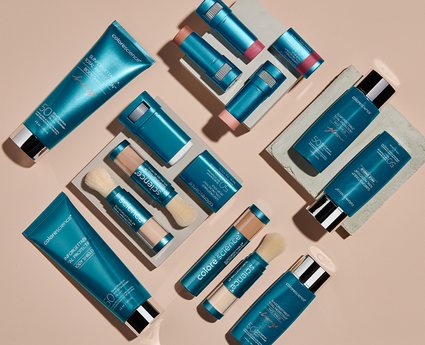
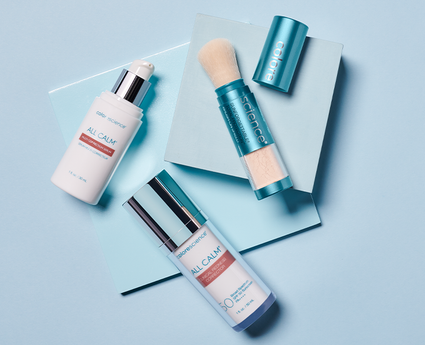
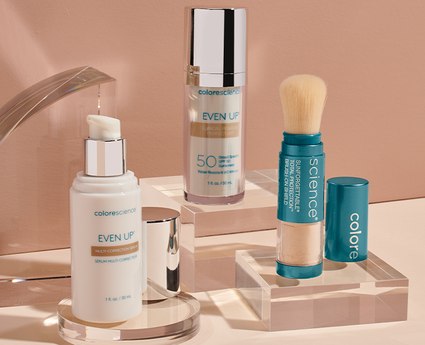
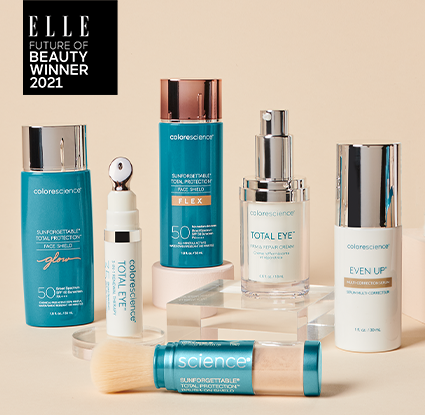
Mineral powder sunscreen products provide convenient touch-up protection throughout the day. Brush-on formulas like the Sunforgettable® Total Protection® collection use finely milled mineral actives to deliver SPF 50 in a portable format.
While mineral powder sunscreen excels for reapplication, liquid formulas with encapsulated pigments tend to offer more buildable coverage for initial application. Many informed skincare users layer both: a tone-adapting liquid foundation-sunscreen hybrid in the morning, followed by mineral powder sunscreen for midday touch-ups.
The key is consistent sun protection throughout the day. Encapsulated pigments make that first application more enjoyable, which encourages the daily compliance that dermatologists recommend.
How Should You Apply Mineral Tinted Sunscreen with Encapsulated Pigments?
Proper application technique maximizes the benefits of encapsulated pigment technology:
-
Dispense the formula onto clean fingertips
-
Rub your fingertips together gently until you see the color begin to develop from white to tinted
-
Apply to moisturized skin using light, blending strokes
-
Continue to blend as the shade adjusts to your complexion
-
Allow one to two minutes for the final color to settle completely
-
Layer with mineral powder sunscreen for enhanced coverage if desired
Sunforgettable® Total Protection® Face Shield Flex SPF 50 exemplifies the encapsulated pigment approach. The hydrating, antioxidant-rich formula contains zinc oxide 12% as the active ingredient, with iron oxides that bloom during application. Available in six flexible shades, the demi-matte finish suits a range of skin tones and undertones. The formula also includes Niacinamide, which supports skin barrier function.
For those seeking a true "skin but better" result, mineral-tinted sunscreen with encapsulated pigments bridges skincare and color cosmetics without compromise.
Does Mineral Sunscreen Expire Faster with Encapsulated Pigments?
When considering "Does mineral sunscreen expire?", storage conditions matter more than the encapsulation technology itself. The protective shells actually help maintain pigment stability and color accuracy over the product's shelf life. Storing any mineral sunscreen away from direct heat and sunlight preserves performance.
Check expiration dates printed on packaging and replace products that have passed the recommended use-by timeline. Encapsulated formulas tend to maintain color accuracy well within the stated shelf life because the technology was designed with stability in mind.
FAQs
1. Can mineral-tinted sunscreen replace my foundation?
Many users consider skin tint sunscreen with encapsulated pigments a foundation replacement. The tone-adapting coverage evens skin tone while providing SPF 50 protection, offering a natural, polished look without heavy makeup.
2. Does mineral sunscreen with iron oxides suit all skin tones?
Formulas with encapsulated pigments adjust to individual complexions during application. Selecting the appropriate shade range for your general tone, then allowing the pigments to adapt, creates a customized match for most skin tones.
3. How often should you reapply mineral-tinted sunscreen?
Reapply every two hours during continuous sun exposure or after swimming or sweating. Mineral powder sunscreen makes midday touch-ups easy without disturbing your initial application.
4. What is a mineral sunscreen that blocks blue light?
A tinted sunscreen with iron oxides helps to block blue light. Look for formulas specifically noting blue light or HEV protection alongside broad-spectrum UVA/UVB coverage.