
Have you ever applied sunscreen to your face, arms, and shoulders but completely skipped your lips? You are not alone. Many people overlook lip protection, yet your lips face constant UV exposure every single day.
Do your lips need sunscreen? According to dermatologists, the answer is a resounding yes. Your lips require dedicated sun protection because the skin on your lips differs significantly from the rest of your face. Understanding why your lips are so vulnerable helps you make smarter choices for long-term skin health.
Why Can Your Lips Get Sun Damaged More Easily?
The skin on your lips stands apart from other facial skin in several important ways. Your lips lack melanin, the protective pigment that shields your skin from UV radiation. Without adequate melanin, your lips cannot defend against harmful rays the way other skin areas naturally do. Your lips essentially have no built-in defense system against the sun.
Your lips also have an extremely thin stratum corneum, the outermost protective skin layer. According to dermatological research, lip skin contains almost no sebaceous glands, which means lips produce minimal natural oil for barrier protection. Your lip tissue dries out quickly and becomes even more susceptible to environmental aggressors, including UV radiation, pollution, and infrared radiation. The absence of natural oils leaves your lips relying on external products for moisture and defense.
Unlike the rest of your skin, your lips do not tan. Many people mistakenly assume lips are immune to sun effects because no visible tan appears. In reality, your lips absorb UV damage silently, and cumulative exposure adds up over time.
What Are The Common Sun Damage on Lips Symptoms and Treatment Options?
Recognizing sun damage on the lips symptoms early allows you to address concerns before complications develop. Common signs include:
-
Persistent dryness that does not respond to regular moisturizers
-
Cracking, peeling, or flaking lip skin
-
Pale or white patches on the lip surfaces
-
Swelling and redness after sun exposure
-
A rough, sandpaper-like texture
Chronic unprotected sun exposure may lead to actinic cheilitis, a precancerous condition resulting from abnormal cell growth. Your lower lip receives more direct sun exposure, making that area particularly vulnerable. Early intervention improves outcomes significantly.
For sun damage on lips symptoms treatment, dermatologists recommend starting with consistent SPF use and hydrating lip products. Severely damaged lips may require professional evaluation. Supporting your skin with gentle, mineral-based formulas helps restore moisture while preventing further damage. Zinc oxide offers soothing properties alongside its UV-blocking benefits.
Looking for lip care with built-in sun protection? The right products address both hydration and defense simultaneously. For sun damage on lips symptoms treatment, dermatologists recommend starting with consistent SPF use and hydrating lip products. Severely damaged lips may require professional evaluation. Supporting your skin with gentle, mineral-based formulas helps restore moisture while preventing further damage. Zinc oxide offers soothing properties alongside its UV-blocking benefits.
Looking for lip care with built-in sun protection? The right products address both hydration and defense simultaneously. Peptide Lip Shine SPF 30 combines Maxi-Lip™ Peptides to support collagen and elastin for a smoother, plumped appearance, while hyaluronic acid hydrates and vitamin E nourishes and defends against free radicals.
How Does Lip Sunburn Prevention Work?
Lip sunburn prevention starts with understanding that your lips need the same protection you give the rest of your skin. Dermatologists recommend applying a lip product with at least SPF 30 every morning and reapplying every two hours during sun exposure.
Effective lip sunburn prevention requires:
-
Choosing lip balms or glosses formulated with broad-spectrum SPF
-
Reapplying after eating, drinking, or swimming
-
Avoiding shiny lip glosses without SPF, which can magnify UV rays
-
Selecting mineral-based formulas with zinc oxide for gentle, effective coverage
Mineral sunscreens work differently from chemical alternatives. While chemical filters absorb UV rays and convert them to heat, mineral filters like zinc oxide create a physical barrier that reflects and scatters UV radiation. For sensitive lip skin, mineral formulas offer gentler protection without irritation. The physical barrier begins working immediately upon application, requiring no wait time before sun exposure.
Your lips need dedicated sun protection designed specifically for the delicate lip area. Standard facial sunscreen may feel heavy, taste unpleasant, or cause dryness on lip tissue.
What Should You Look for in Lip Sunscreen Products?
When shopping for lip protection, prioritize products that combine sun defense with nourishing benefits. Dermatologists suggest looking for:
-
Broad-spectrum SPF 30 or higher
-
Zinc oxide as the active mineral filter
-
Hydrating ingredients like squalane, vitamin E, and hyaluronic acid
-
Formulas free from parabens, sulfates, and phthalates
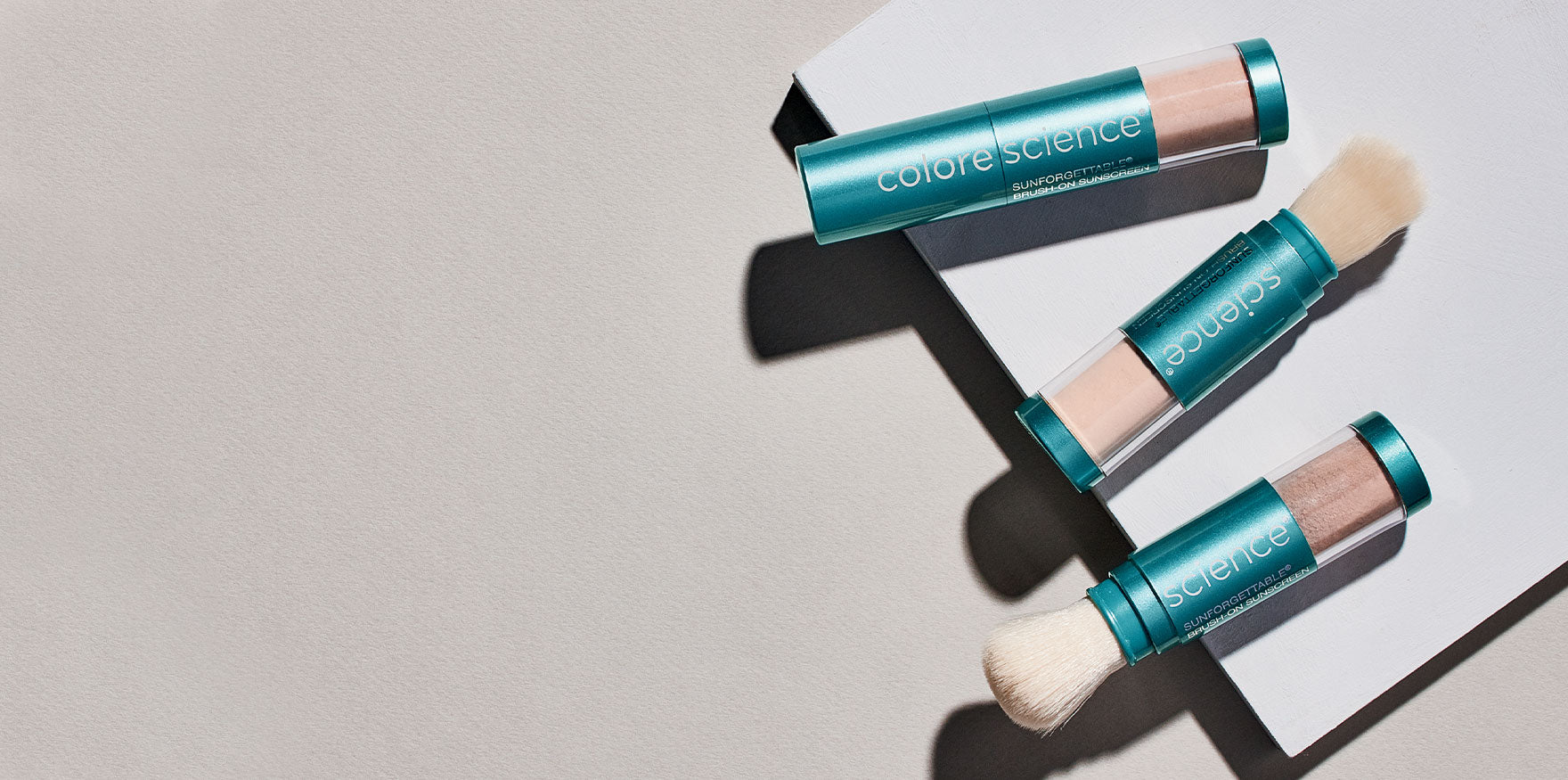
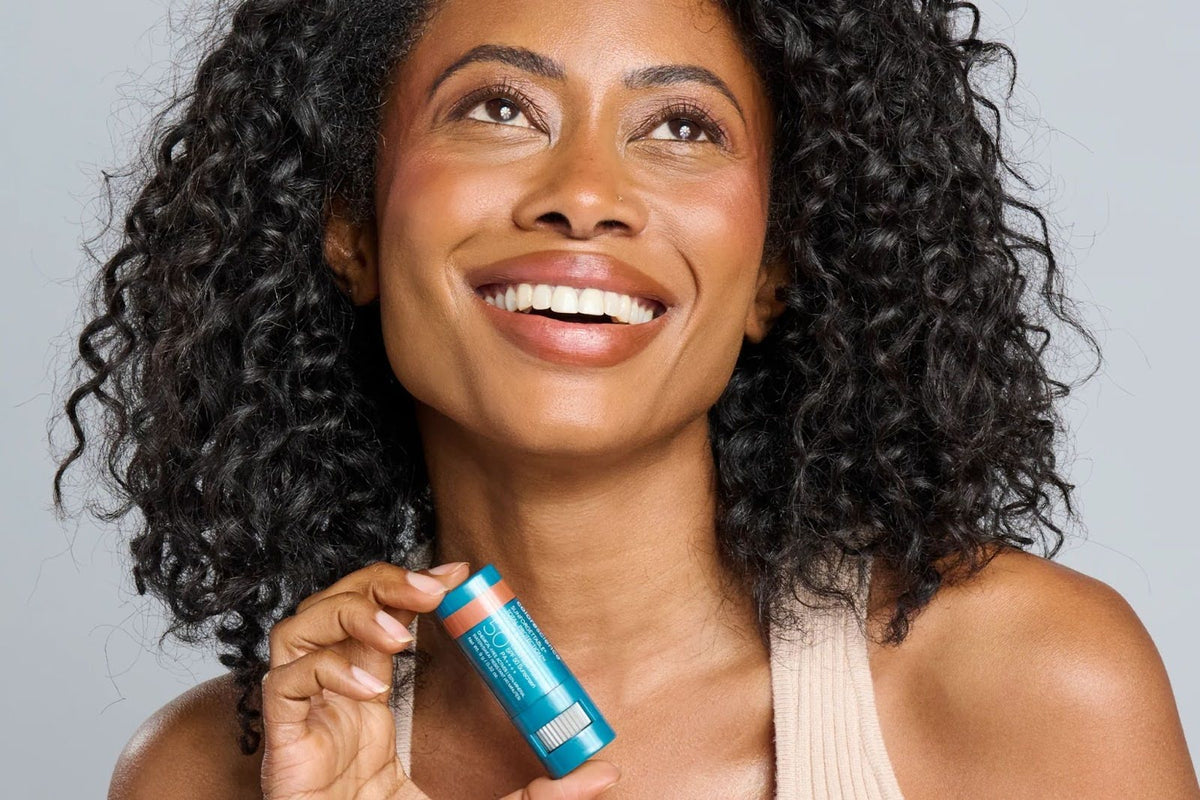
The Sunforgettable® Total Protection® Color Balm SPF 50 delivers all-mineral protection with EnviroScreen® Technology, defending against UVA/UVB rays, blue light, pollution, and infrared radiation. The formula hydrates and conditions lips while providing buildable color for cheeks and eyelids, too. Water and sweat-resistant for 40 minutes, the balm stays comfortable throughout your day. Bisabolol and squalane keep lips soft without a heavy or greasy feel.
For a glossy finish with peptide benefits, Peptide Lip Shine SPF 30 offers collagen-supporting peptides, smoothing hyaluronic acid, and nourishing Vitamin E alongside protective zinc oxide.
Browse the full Eyes, Lips & Cheeks collection for multi-functional products that simplify your routine.
Why Do Dermatologists Recommend Mineral Lip Sunscreens?
According to dermatologist guides on lip balms with SPF, mineral sunscreens offer distinct advantages for the lip area. Zinc oxide provides immediate protection upon application, unlike chemical filters that require absorption time.
Mineral formulas also work well for sensitive skin types. Many people experience irritation or allergic reactions from chemical UV filters. Zinc oxide sits on top of the skin rather than absorbing into the tissue, reducing the potential for sensitivity.
Many chemical sunscreen ingredients have raised environmental concerns, while zinc oxide and titanium dioxide remain gentler options for both skin and ecosystems.
The Sunforgettable® Total Protection® Color Balm SPF 50 Luminizers add an illuminating glow while delivering powerful protection. Bronze provides shimmery golden warmth, and Glow offers a champagne highlight, both with dermatologist-tested, hypoallergenic formulas.
How Often Should You Reapply SPF to Your Lips?
Reapplication frequency matters just as much for lips as for the rest of your skin. Apply lip SPF every two hours during outdoor activities. If you eat, drink, or lick your lips frequently, reapply more often.
The Cleveland Clinic notes that ears, eyelids, lips, scalp, and feet are among the most commonly missed areas for sunscreen application. Building a habit of applying lip protection alongside your facial sunscreen ensures you never skip this vulnerable spot.
Keep a lip SPF product in your bag, car, and desk drawer. Easy access encourages consistent reapplication throughout the day. Look for trustworthy lip balms with SPF that feel comfortable enough for frequent use.
Conclusion
Protecting your lips from sun damage does not require complicated routines. A quality lip product with mineral SPF, applied consistently throughout the day, keeps your lips healthy, hydrated, and defended against environmental aggressors. Your lips deserve the same thoughtful protection you give the rest of your skin. Making lip SPF part of your daily routine takes just seconds but provides lasting benefits for your skin health. Know better skin, and give your lips the care dermatologists recommend.
FAQs
1. Can regular sunscreen be used on the lips?
Regular facial sunscreen can provide some protection, but formulas designed for lips work better. Lip-specific products feel more comfortable, and include hydrating ingredients your lips need.
2. Do your lips need sunscreen on cloudy days?
Yes. Up to 80% of UV rays penetrate cloud cover. Your lips need daily SPF protection regardless of weather conditions.
3. What SPF level works best for lip protection?
Dermatologists recommend SPF 30 as the minimum for lip products. Broad-spectrum formulas protect against both UVA and UVB radiation for comprehensive defense.