
You applied your sunscreen at 8 AM before heading out. Now, sitting in your 2 PM meeting near a sunny window, you wonder: Is your skin still protected? How long does sunscreen last on the face, really?
Here's your direct answer: approximately two hours under normal conditions. But that number changes based on your activity level, skin type, and environmental factors. Understanding when to reapply sunscreen can make the difference between protected, healthy-looking skin and unnecessary exposure.
Why Does Sunscreen Wear Off Throughout the Day?
Sunscreen protection diminishes for several interconnected reasons. Chemical filters absorb UV radiation and gradually break down through a process called photodegradation. Meanwhile, mineral sunscreens create a physical barrier using ingredients like zinc oxide that can rub off with friction and touch.
Your skin also works against your protection. Natural oil production (sebum) breaks down sunscreen formulations, especially on oily complexions. Sweating dilutes the protective layer, and daily habits such as adjusting your glasses or touching your face can slowly reduce coverage in high-contact areas over time.
According to research published in the Journal of Investigative Dermatology, the timing of reapplication significantly impacts overall protection. The study found that applying sunscreen 15-30 minutes before sun exposure, followed by reapplication within 15-30 minutes after exposure begins, provided more effective protection than waiting the full two hours for the first reapplication.
How Long Does SPF 50 Last Compared to SPF 30?
A common misconception: higher SPF means longer-lasting protection. In reality, SPF indicates the strength of UVB protection, not duration. SPF 50 and SPF 30 both require reapplication every two hours because the protective ingredients degrade at similar rates.
The difference lies in filtration capability. SPF 30 filters approximately 97% of UVB rays, while SPF 50 filters about 98%. Both numbers apply only when you use adequate amounts; most people use only 25-50% of the recommended amount, significantly reducing effective protection.
For your face and neck, follow the two-finger rule: squeeze a line of product along two fingers from tip to base. Anything less compromises the SPF rating on the bottle.
When to Reapply Sunscreen: Your Complete Timing Guide
Your sunscreen reapplication timing guide depends heavily on your daily activities:
-
Working indoors near windows: UVA rays penetrate glass and reach your skin even indoors. If you sit near windows, reapply every three to four hours.
-
Active outdoor time: Strict two-hour intervals apply. Set a phone reminder if needed. Exercise, gardening, or walking in direct sunlight accelerates degradation through sweat and UV exposure.
-
Swimming or sweating: Water-resistant formulas maintain protection for 40-80 minutes during water activities; check your product label for the specific duration. Towel-drying removes protection immediately, regardless of time elapsed.
-
Wearing makeup: Reapplication over cosmetics presents unique challenges. Powder SPF formulations, such as brush-on mineral sunscreens, offer mess-free midday touch-ups without disturbing your base. Incorporating SPF into every product simplifies consistent protection.
What Factors Shorten How Long Sunscreen Lasts on the Face?
Several everyday situations accelerate protection loss:
-
Skin type matters. Oily skin produces excess sebum that breaks down cream-based formulas faster. If you have oily or combination skin, lightweight mineral formulas designed to control shine often provide better staying power than heavy creams.
-
Environmental conditions play a role. High humidity, extreme heat, and pollution all degrade sunscreen faster. UV intensity also matters; midday sun between 10 AM and 4 PM requires more frequent reapplication than the morning or evening hours.
-
Physical contact reduces coverage. Face masks, phone calls, makeup touch-ups, and habitual face-touching physically remove the protective layer from specific areas. The nose, cheeks, and forehead, areas most prone to touching, often receive inconsistent protection throughout the day.
-
Product formulation influences longevity. Different types of sunscreen behave differently. Mineral formulas with zinc oxide and titanium dioxide sit on the skin's surface, providing immediate protection but requiring careful application to avoid gaps. Chemical sunscreens absorb into the skin but break down under UV exposure.
How Can You Maintain Protection All Day Long?
Building consistent sun protection into your routine requires strategy, not just products.
Start with a proper application. Apply sunscreen 15-30 minutes before going outside, allowing time for the ingredients to bind to your skin. Use the full two-finger amount for face and neck: under-application is the most common mistake, cutting effective protection substantially.
Layer strategically. A tinted mineral sunscreen like Sunforgettable® Total Protection® Face Shield Flex SPF 50 combines broad-spectrum defense with buildable coverage, eliminating the need for separate foundation. EnviroScreen® Technology protects from UVA/UVB rays, blue light, pollution, and infrared radiation in a single wearable formula.
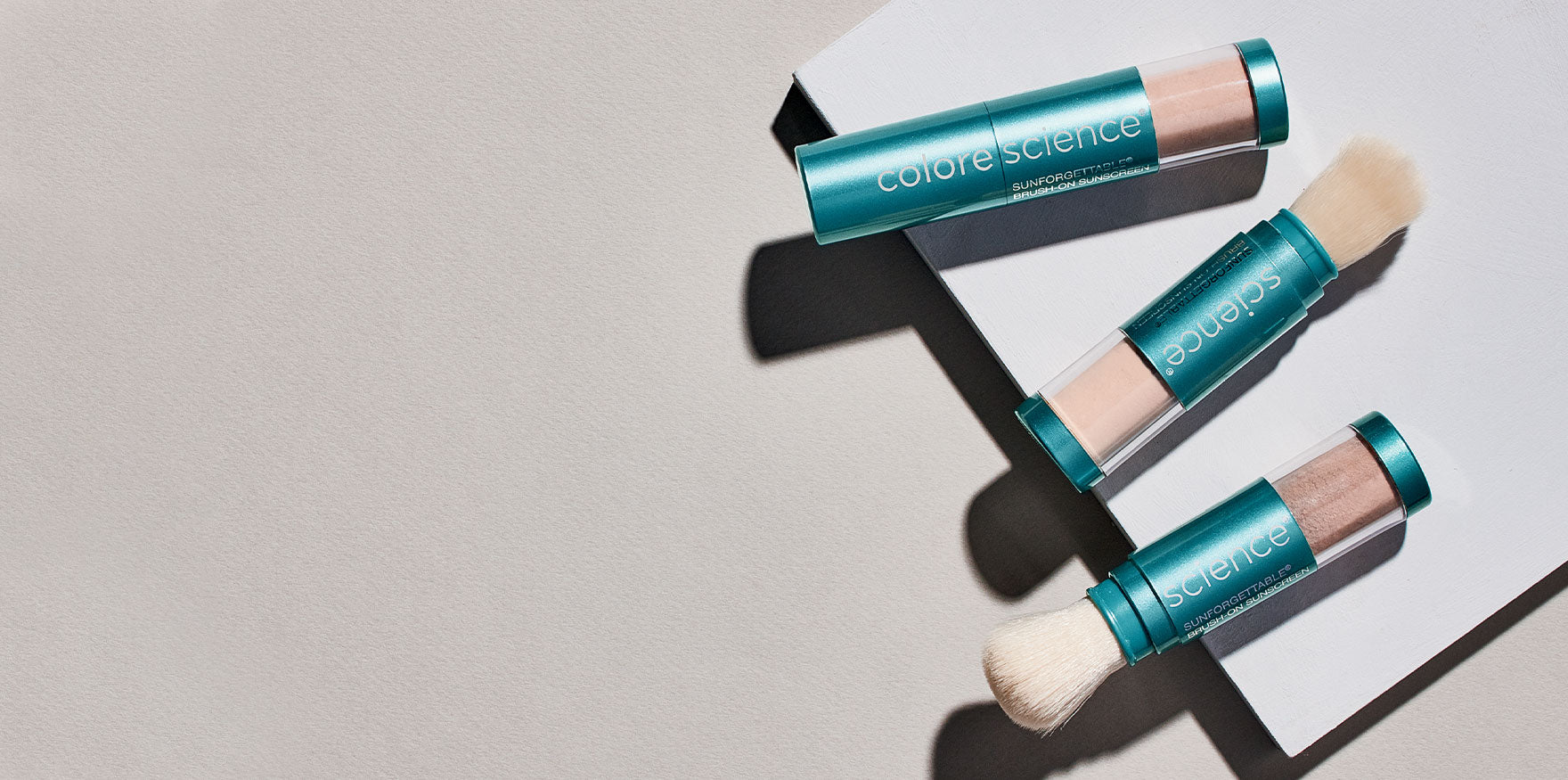
Simplify reapplication. Keep a Sunforgettable® Total Protection® Brush-On Shield SPF 50 in your bag for effortless midday touch-ups. The brush applicator dispenses the perfect amount of all-mineral powder over makeup without smearing or disturbing your look.
Create accountability. Set calendar reminders every two hours during outdoor activities. Pair reapplication with existing habits; after lunch, during afternoon breaks, before leaving the office.
Does Sunscreen Wear Off Even Indoors?
Yes, though the rate slows considerably. UVA rays, which are responsible for premature aging and deeper skin concerns, penetrate through windows in homes, offices, and cars. Research indicates that consistent use of broad-spectrum sunscreen, even indoors, supports healthier-looking skin over time.
Blue light from screens presents another consideration. While research continues, formulas designed to protect against HEV (high-energy visible) light provide an additional layer of protection on screen-heavy days.
Mineral Sun Protection For Every Moment
Consistent sun protection works best when products feel effortless to wear and reapply. Colorescience mineral formulas deliver dermatologist-recommended protection in wearable, multi-functional products designed for real life. From tinted liquids that double as buildable foundation to brush-on powders perfect for touch-ups, building comprehensive protection into your day has never been simpler.
Frequently Asked Questions
1. How long does sunscreen last on the face without reapplication?
Sunscreen remains effective for approximately two hours under typical conditions. Sweating, swimming, and physical contact can shorten the duration of protection, while staying indoors away from windows may extend effective coverage.
2. Does higher SPF mean sunscreen lasts longer on skin?
No. SPF indicates protection strength against UVB rays, not duration. Both SPF 30 and SPF 50 require reapplication every two hours because active ingredients degrade at similar rates regardless of SPF level.
3. Can I skip reapplication if my sunscreen is water-resistant?
Water-resistant formulas maintain protection for 40-80 minutes during swimming or heavy sweating. Towel-drying removes protection immediately, requiring reapplication regardless of how long it has been.
4. When should I reapply sunscreen over makeup?
Reapply every two hours during outdoor activities. Powder SPF formulations brush on seamlessly over cosmetics, providing mineral protection without disturbing your base makeup.