


Should You Use Hypoallergenic Makeup?
Have you ever experienced red, itchy, or dry skin after applying your makeup? You may be experiencing an allergic reaction known as allergic contact dermatitis. This mild allergic reaction is quite common, especially among those with sensitive skin. It also typically derives from harsh ingredients in your makeup.
Fortunately, there’s a solution: hypoallergenic makeup. Actual hypoallergenic cosmetics don't use chemicals that commonly cause allergic reactions, such as fragrances, dyes, preservatives, and other irritating ingredients. However, it’s essential to be a savvy shopper and ensure the makeup you’re purchasing is truly hypoallergenic.
Read on to learn the facts about hypoallergenic makeup. Plus, discover who should use it, what to look for, and the best hypoallergenic sunscreen products from Colorescience that can replace your everyday makeup.
- What Is Hypoallergenic Makeup?
- Who Should Use Hypoallergenic Makeup?
- How to Know if You’re Allergic to Makeup
- What to Look for in Hypoallergenic Makeup
- Tips for Using Hypoallergenic Makeup
- Try These Hypoallergenic Skincare-Makeup Products
- Sensitive Skin Deserves Gentle Formulas

What Is Hypoallergenic Makeup?
Hypoallergenic makeup is specifically designed to minimize the risk of potential allergic reactions. It’s formulated without common allergens, including fragrances, dyes, preservatives, and parabens. Many people find these ingredients irritating to their skin and may experience itching, burning, or redness when they come into contact with them.
In order to achieve bright colors, shimmering finishes, and UV protection without the use of harsh chemicals, hypoallergenic makeup is often made from minerals, which are inert and typically don’t cause reactions. Minerals also create an environment that’s inhospitable to bacteria and serve as an alternative to allergy-causing preservatives.
It’s important to note that the term “hypoallergenic” isn’t regulated by the U.S. Food and Drug Administration (FDA). Most makeup manufacturers use it to denote makeup that’s generally safe for sensitive, irritation-prone skin.
Who Should Use Hypoallergenic Makeup?
Anyone can use hypoallergenic makeup, but it’s particularly beneficial to those who are prone to outbreaks of allergic contact dermatitis. This reaction occurs when your skin comes into contact with an allergen or irritant, typically resulting in redness, swelling, dry skin, and rashes.
People who experience common skin concerns, such as rosacea or eczema, may also benefit from using hypoallergenic makeup. The absence of irritants results in a gentle formulation that reduces the risk of flare-ups and outbreaks.
Hypoallergenic makeup may still cause an allergic reaction in a very small percentage of the population with allergies to specific ingredients in makeup. They may experience swelling, hives, and potentially even anaphylactic shock when exposed to these ingredients. If a makeup product contains an ingredient you know you’re allergic to, don’t use it—even if it’s listed as hypoallergenic.

How to Know if You’re Allergic to Makeup
Like seasonal allergies, minor skin contact dermatitis is a common condition. If you’ve ever found yourself with dry, itchy, red, or burning skin after using a makeup product, you’re likely experiencing either irritation or a minor allergic reaction to the active ingredients in your skincare or makeup.
In order to determine what ingredients in your makeup are causing irritation, follow these steps:
-
Stop using all makeup products for a few days to give yourself and your skin a reset.
-
Introduce a single makeup product and observe it for 24 hours to see if there's a reaction.
-
Introduce a second makeup product and watch for 24 hours for a reaction.
-
Continue until you find the product(s) that cause a reaction, then check the ingredients to see what’s different.
If you experience more severe reactions to your makeup, such as swelling or hives, it's best to consult a medical professional.
What to Look for in Hypoallergenic Makeup
When looking for hypoallergenic makeup, it’s essential to look beyond the hypoallergenic label and ensure your makeup is truly irritant-free. Because hypoallergenic cosmetics aren’t federally regulated, manufacturers can use the term as they see fit. An opportunistic manufacturer may slap a “hypoallergenic” label on a product with the hopes of boosting its sales—even if it’s not hypoallergenic at all.
When shopping for makeup that's hypoallergenic, look for the following:
-
No fragrance. Both natural and synthetic chemicals in fragrances, including linalool, limonene, citronellol, and more, can trigger allergic reactions on the skin. To reduce your risk, seek fragrance-free makeup.
-
No dyes. Dyes like Red 40 cause allergic reactions in a significant percentage of the population. Instead, look for makeup that uses naturally derived minerals for color, such as iron oxides and zinc oxide.
-
No preservatives. Some manufacturers include harsh preservatives in their makeup to extend its shelf life. Parabens and formaldehyde are common irritants used to preserve makeup products. Hypoallergenic makeup products typically use gentle preservatives, such as sodium benzoate and propylene glycol, to prevent irritation.
-
No metals. Believe it or not, some makeup products contain metals that can cause allergic reactions. Nickel, cobalt, and chromium can all be found in makeup and may trigger irritation.
-
Non-comedogenic. Non-comedogenic makeup products are designed not to clog pores, making them less likely to cause irritation or breakouts.
Keep in mind that everyone is different. Ingredients that may be safe for others may cause you to experience allergic reactions or irritation. To minimize your risk, always perform a patch test on a small area of skin before trying a new product. If it causes irritation, skip it.

Tips for Using Hypoallergenic Makeup
Interested in exploring the world of hypoallergenic makeup? Be sure to follow these tips:
-
Check ingredients carefully. Not all makeup labeled as hypoallergenic is truly hypoallergenic. Read ingredient lists carefully and watch out for common irritants.
-
Always conduct a patch test before application. Before applying makeup to your face, test a small amount of product on the inside of your wrist or another discreet area of skin. Watch for a reaction for 24 hours, then use it if no reaction occurs.
-
Pair with hypoallergenic skincare. Common allergens, such as fragrances and preservatives, aren’t only present in makeup; they’re in skincare, too. For a routine that’s truly hypoallergenic, make sure anything applied to your face meets hypoallergenic standards.
-
Clean makeup brushes and tools regularly. Bacteria and grime build up on your makeup brushes and tools over time. Be sure to clean yours regularly to prevent irritation, infection, acne, and more.
-
Keep an eye on expiration dates. Expired makeup can also cause reactions. Make sure your makeup products aren't expired.
Switched to hypoallergenic cosmetics but still experiencing allergic reactions? It’s possible that your issue isn’t with the makeup at all but with the tools you use to apply it. Many makeup sponges and applicators contain latex, an extremely common allergen. Look for latex-free applicators and see if that makes a difference.

Try These Hypoallergenic Sunscreen Products
Ready to develop your hypoallergenic routine? Read on to learn about the best hypoallergenic sunscreen products from Colorescience that can replace your daily makeup.
Natural Finish Mineral Foundation SPF 20
Begin your makeup routine with a base that won’t cause redness or irritation. Natural Finish Mineral Foundation SPF 20 does more than just even your skin tone. It's a lightweight, hydrating foundation with SPF 20 that protects your skin from UVA and UVB rays for broad-spectrum sun protection. This non-comedogenic formula is made without parabens for a gentle foundation that’s unlikely to cause an allergic reaction.
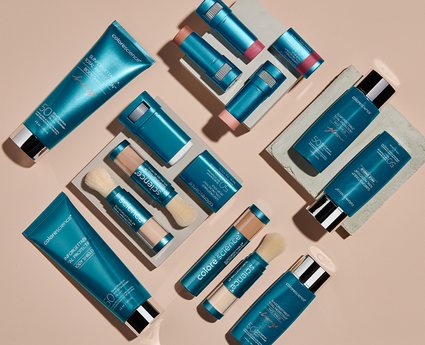
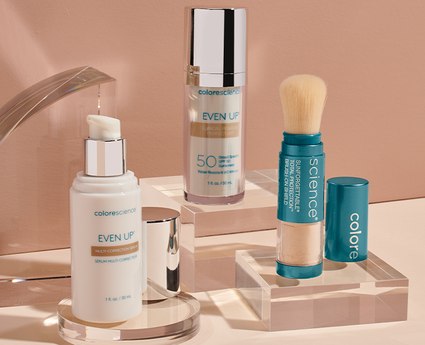
Sunforgettable® Total Protection® Brush-On Shield SPF 50
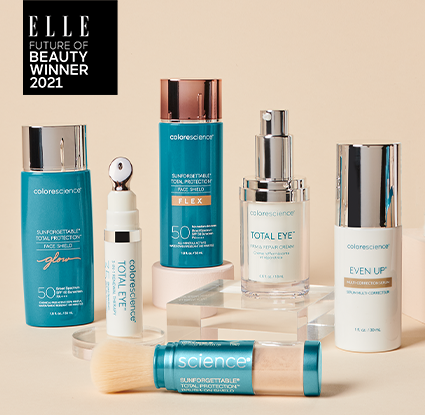
Sunforgettable® Total Protection® Brush-On Shield SPF 50 is a hypoallergenic tinted powder sunscreen. This all-mineral tinted sunscreen provides SPF 50 protection against UVA and UVB rays, blue light, pollution, and infrared light to slow down visible signs of aging. It’s also infused with hyaluronic acid, which helps restore and reinforce moisture. Plus, it contains antioxidants that protect against free radicals.
Sunforgettable® Total Protection® Brush-On Shield SPF 50 is not only hypoallergenic but also dermatologist-tested and recommended as safe for those with sensitive skin. It’s free of fragrances, parabens, sulfates, and phthalates, offering a gentle formula with ample protection.
Sunforgettable® Total Protection® Color Balm SPF 50
Add a pop of color to your lips, cheeks, and eyelids thanks to Sunforgettable® Total Protection® Color Balm SPF 50, a hypoallergenic color balm with SPF 50 protection from UVA/UVB, blue light, pollution, and infrared light.
These balms derive their pigments from high-quality, ethically sourced mica, iron oxides, and titanium dioxides rather than allergy-causing dyes. They’re made without chemicals, fragrances, parabens, sulfates, and phthalates and are dermatologist-tested.
Sensitive Skin Deserves Gentle Formulas
Makeup allergies can increase skin dryness and discomfort and exacerbate common skin concerns like rosacea and eczema. Rather than suffering through uncomfortable skin, opt for hypoallergenic products instead.
If you're looking for hypoallergenic makeup alternatives, shop Colorescience all-mineral, hypoallergenic sunscreens. All Colorescience formulas are made without the use of dyes, talcs, fragrances, parabens, and preservatives, and aren’t tested on animals. Shop the best hypoallergenic skincare products from Colorescience today.