


Invisible Sunscreen for All Skin Tones: How to Get SPF 50 With Zero White Cast
Have you ever applied sunscreen only to look in the mirror and see an ashy, chalky residue staring back at you? If you have darker skin or deeper undertones, traditional mineral sunscreen may have felt like a trade-off between protection and looking like yourself. The good news: that compromise no longer exists.
Modern formulations now deliver the broad-spectrum protection of mineral actives with zero visible residue. Understanding what makes an invisible mineral sunscreen work can help you choose the right sunscreen with SPF 50 that feels like skincare and blends beautifully into your skin.
What Is Mineral Sunscreen Made Of?
When you ask what mineral sunscreen is made of, the answer comes down to two key ingredients: zinc oxide and titanium dioxide. These naturally derived minerals sit on the skin's surface and work by reflecting and scattering UV rays away from your skin. Unlike chemical UV filters that absorb into the skin, mineral actives create a physical shield.
Zinc oxide offers comprehensive, broad-spectrum protection against both UVA and UVB rays. At higher concentrations, zinc oxide alone can protect against long-wavelength UVA radiation, making it a powerful choice for daily defense. Titanium dioxide adds additional UVB protection and is often combined with zinc oxide to create formulations that feel lighter on the skin.
The minerals themselves are what give traditional mineral sunscreens their reputation for leaving that unwanted white cast. When zinc oxide and titanium dioxide particles clump together into larger aggregates, they reflect visible light wavelengths that your eyes perceive as white or gray. The larger the particle aggregates, the more obvious the residue becomes on your skin.
Why Does Mineral Sunscreen Leave a White Cast?
Understanding why sunscreen leaves white cast helps explain why certain formulations work better for various skin tones. The visible residue you see is the result of particle size and formulation technology.
Traditional mineral sunscreens contain non-nano zinc oxide particles that effectively scatter UV radiation but also scatter visible light. When applied to darker complexions, the contrast between the white mineral layer and natural skin tone becomes more pronounced. Research confirms that cosmetic elegance plays a major role in whether people consistently wear sunscreen. When a product feels heavy or looks chalky, daily compliance drops significantly.
Modern invisible sunscreen for face formulations address the white cast problem through advanced particle engineering and the strategic addition of pigments. Formulators now use micro-fine zinc oxide particles that remain effective at blocking UV rays while reducing visible light scattering.
What Is Mineral-Tinted Sunscreen?
When exploring what mineraltinted sunscreen is, think of it as mineral protection plus cosmetic benefits in one formula. As highlighted by Harvard Health, tinted sunscreens combine mineral actives like zinc oxide with iron oxides to beautifully blend color coverage across the skin while also helping to block visible light, offering an added layer of protection you can feel good about.
Iron oxides come in yellow, red, and black pigments that formulators blend to create shades matching a broad range of skin tones. A tinted sunscreen with iron oxides helps to block blue light, offering an additional layer of environmental defense beyond standard UVA/UVB protection. Studies indicate that visible light can penetrate deeper into the skin than UV radiation and may contribute to hyperpigmentation concerns, particularly in deeper skin tones.
For anyone dealing with uneven tone or hyperpigmentation, a mineral-tinted sunscreen provides meaningful visible light protection that non-tinted broad-spectrum sunscreens cannot offer. The pigments that provide color coverage are the same pigments that filter blue light from screens, artificial lighting, and the sun.
How Can You Find Invisible Mineral Sunscreen for Dark Skin?
Finding mineral sunscreen for dark skin requires looking for specific formulation features. The right sunscreen for dark skin should contain encapsulated or tone-adapting pigments that blend seamlessly rather than sitting on top of your complexion.
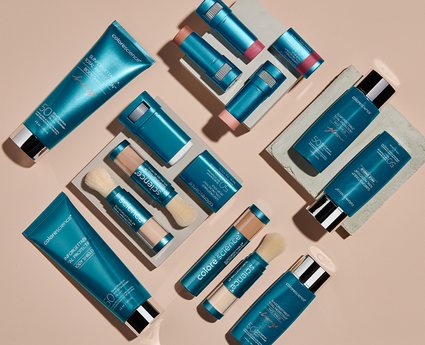
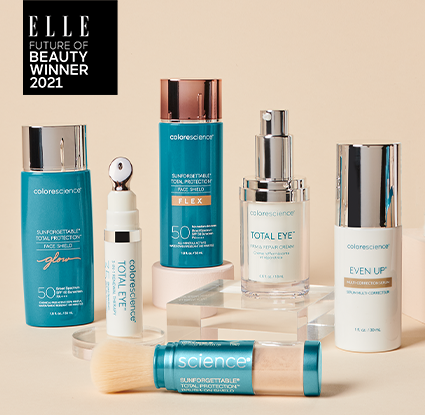
Sunforgettable® Total Protection® Face Shield Flex SPF 50 features innovative iron oxide pigments that bloom in your fingertips to deliver tone-adapting, buildable color coverage. Available in six uniquely flexible shades, each is designed to work across a broad range of skin tones and undertones. The formula contains 12% zinc oxide for all-mineral SPF 50 protection with a PA++++ rating for excellent UVA defense.
This hydrating formula includes niacinamide, an ingredient known to help control oil, reduce inflammation, and strengthen the skin barrier. The lightweight texture provides medium coverage with a demi-matte finish that feels like skincare rather than heavy makeup. Because a tinted sunscreen with iron oxides helps block blue light, you receive comprehensive defense against UVA/UVB, blue light, pollution, and infrared radiation through patented EnviroScreen® Technology.
Should You Choose SPF 50 Sunscreen Vs. SPF 30?
When choosing between SPF 50 and SPF 30 sunscreen, the key difference lies in the degree of UVB protection each offers. As SPF values increase, so does the level of defense against the UVB rays that cause sunburn and can influence the risk of skin cancer. That incremental boost in protection may be especially worth considering if you spend extended time outdoors or have photo-exacerbated skin concerns.
For daily wear, dermatologists generally recommend SPF 30 as the minimum for adequate protection. However, sunscreen SPF for dark skin considerations extend beyond just the SPF number. People with deeper skin tones may benefit significantly from the visible light protection that mineral-tinted formulations provide, choosing more than UV filtering alone.
When selecting sunscreen with SPF 50, look for formulas labeled "broad-spectrum" with high UVA ratings like the PA++++ designation. Water resistance matters for active lifestyles, with 40 minutes of water resistance providing reliable protection during exercise or outdoor activities.
How Do You Apply Invisible Sunscreen for Best Results?
Think of your application routine as a little ritual with a few easy steps to leave your skin radiant and beautifully protected:
-
Step 1: Start with freshly moisturized skin so everything blends perfectly.
-
Step 2: Dispense your tinted mineral sunscreen onto clean fingertips and rub gently. This activates the encapsulated pigments, transforming the formula from white to your ideal shade.
-
Step 3: The shade may need a minute or two to fully develop; trust the process and let your true match come through.
-
Step 4: Want a little more coverage? Simply wait one minute, then apply a second layer. The buildable texture means you're always in control, from barely-there to beautifully polished.
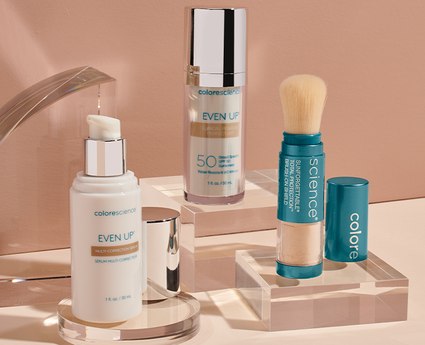
Reapplication remains important throughout the day, so finding a portable formula with easy re-application becomes a top priority. The Total Protection Collection includes brush-on powder sunscreens that layer beautifully over makeup or tinted liquid formulas for convenient midday touch-ups without disturbing your look.
Conclusion
For a complete range of sun protection options formulated for wearability and efficacy, browse Colorescience’s dermatologist-recommended mineral formulas designed to feel good on your skin while delivering powerful daily defense.
Frequently Asked Questions
1. Can mineral sunscreen work for all skin tones without leaving a white cast?
Yes, modern formulations that use micro-fine zinc oxide and iron oxide pigments blend seamlessly into diverse skin tones. Tone-adapting tinted formulas adjust to your natural undertones rather than sitting visibly on top of your skin.
2. Does tinted mineral sunscreen provide better protection than non-tinted versions?
Tinted mineral sunscreens with iron oxides provide additional protection against visible light and blue light that non-tinted formulas cannot offer. Both types deliver comparable UV protection when formulated with the same SPF.
3. How often should you reapply invisible mineral sunscreen?
Reapply every 2 hours during extended sun exposure, immediately after swimming or sweating, and after towel-drying. Brush-on mineral powders offer convenient reapplication over makeup.
4. What shade of tinted sunscreen should you choose?
Select a shade close to your natural skin tone or blend two shades to create your ideal match. Tone-adapting formulas with encapsulated pigments flex across a range of undertones within each shade family.