
Acne is one of the most common skin conditions in the world, affecting an estimated 50 million Americans each year. While often associated with adolescene, acne can occur at any age and may impact individuals during childhood, the teen years, adulthood, pregnancy, and even perimenopause. Despite its prevalance, acne remains widely misunderstood, leading many people to rely on myths, misinformation, and trial-and-error approaches that can leave skin feeling frustrated and overwhelmed.
Acne is far more complex than an occasional breakout. Genetics, hormones, lifestyle factors, environmental exposures, and skin barrier health can all influence how acne develops and behaves. Understanding these factors is an important first step toward making informed decisions about treatment and long-term skin health.
To help answer some of the most frequent questions about acne, we spoke with Cara Dempsey, LE, Founder of We Love Acne. Cara is a nationally recognized expert in acne treatment and the founder of We Love Acne. Based in Knoxville, Tennessee, she is a licensed esthetician, Colorescience KNOW BETTER SKIN PRO, and Face Reality Certified Acne Expert who specializes in helping individuals navigate acne-prone skin and develop personalized approaches to achieving healthier-looking skin.
Cara shares her perspective on what acne is, the different forms it can take, common acne myths, the connection between inflammation and skin barrier health, treatment considerations, sun protection, and how to support skin over time.
 Understanding Acne
 Acne is one of the most common skin conditions worldwide, yet it is often misunderstood.
What exactly is acne and is it true that acne has nothing to do with having dirty skin?
Acne is a chronic inflammatory condition of the pore with a strong genetic component that involves overproduction of keratin, sebum production, clogged pores, inflammation, bacteria, hormones, and disruption within the skin barrier. Acne can also be influenced by lifestyle, environmental exposure, stress, and skincare habits.
One of the biggest misconceptions about acne is that it is caused by poor hygiene. Most acne prone individuals struggling with acne are over-cleansing, over-exfoliating, or using harsh products in an attempt to "scrub away" their breakouts. This often worsens inflammation and compromises the skin barrier.
Sometimes acne can happen even if you're doing everything right due to the genetic component. I tell my clients this to help them reduce stress and anxiety for them. That aspect is not in their control but there are many other factors that we can modify to prevent triggering more breakouts.
Acne can present differently depending on age, hormones, genetics, and skin health. Recognizing the different forms of acne is an important part of identifying the most appropriate approach to care.
What are the different types of acne and how do you treat each one from blackheads and whiteheads to cystic acne and hormonal acne and does acne affect you differently at different stages of life?
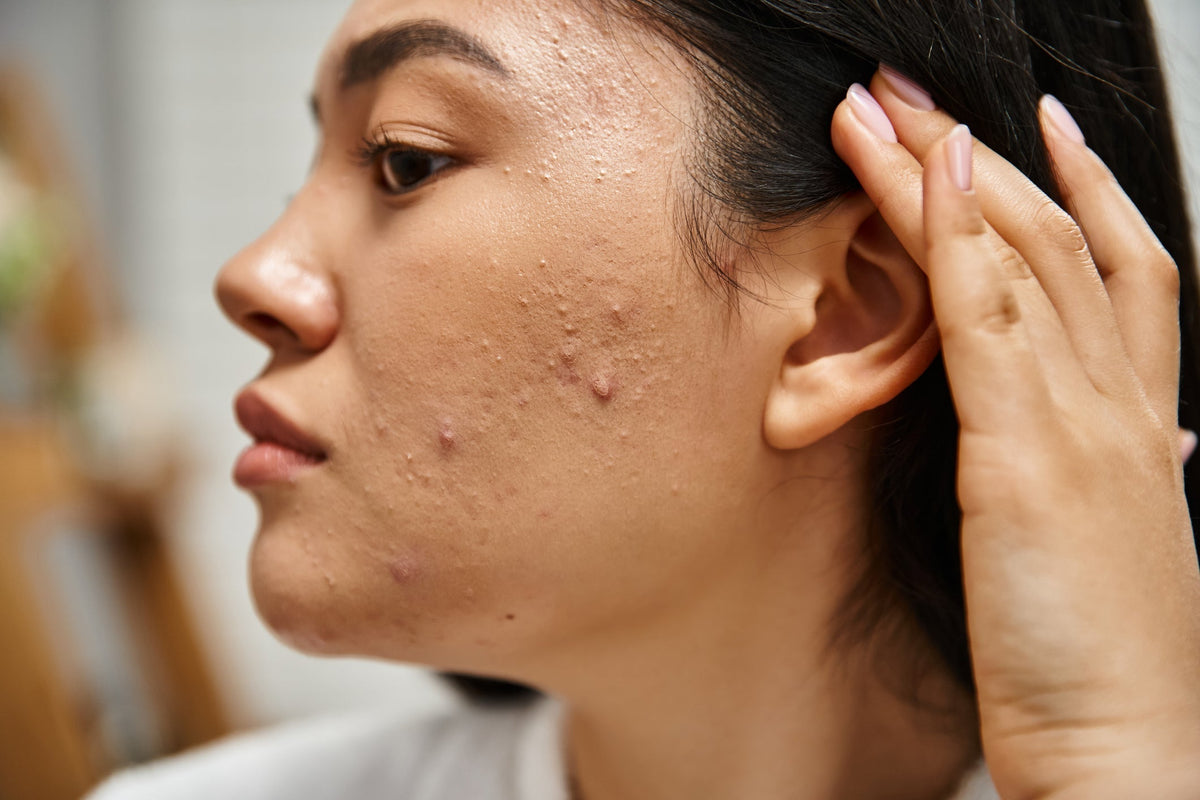
Acne can be very differently depending on age, hormones, genetics, and skin condition. Some of the most common forms of acne include:
- Blackheads (open comedones): Congested pores exposed to air, causing oxidation and dark coloration.
- Whiteheads (closed comedones): Small flesh-colored bumps trapped beneath the skin's surface
- Papules: Inflamed red bumps without visible pus.
- Pustules: Inflamed lesions containing pus.
- Cystic acne: Deep, painful, inflamed lesions that often increase the risk of scarring.
- Hormonal acne: Often concentrated around the jawline, chin, lower face and commonly fluctuates with hormonal shifts.
Acne can affect individuals throughout many stages of life:
- Baby acne: Often temporary and linked to hormonal changes after birth.
- Tween and teen acne: Frequently tied to puberty, oil production, and hormonal fluctuations.
- Adult acne: Increasingly common, especially in women, and often influenced by stress, hormones, lifestyle, and skin barrier disruption.
- Hormonal Acne: Can occur during menstrual cycles, pregnancy, postpartum, perimenopause, and due to underlying hormonal imbalances.
Each type of acne benefits from an individualized custom approach. Not all acne-prone skin should be treated the same way, is is why understanding the type and underlying triggers is so important.
What contributes to Acne?
While Acne is a hereditary condition of the pore, a variety of internal and external factors can influence how acne develops, behaves, and responds to treatment over time.
What are the most overlooked causes of acne that people don't know about including stress, hormones, diet, medications, and skincare habits?
Many factors can contribute to or worsen acne, and often it is not just one single trigger. Some commonly overlooked contributors include:
- Chronic stress and elevated cortisol
- Hormonal fluctiations
- Certain medications
- Over-exfoliation and skin barrier disruption
- Pore-clogging ingredients that are often found in lifestyle products like make-up, hair care, etc.
- Whey Protein, Energy Drinks and Eggs
Every acne individual has different triggers so it is important for them to find theirs and be mindful of how it can affect their skin and acne.
The emotional side of Acne
Acne can affect more than the skin itself. For many individuals, breakouts influence confidence, self-image, and emotional well-being.
Through her work with acne-prone clients, Cara has observed firsthand how deeply acne can affect both individuals and families.
How does acne affect mental health and self-esteem and what should parents do when their child is struggling with acne?
Acne can deeply affect confidence, self-esteem, and emotional wellness. Many acne prone individuals feel embarrassed and like their acne controls them. This is why kindness, patience and self-compassion are key during the clearing process.
For patents supporting children with acne, one of the most helpful things you can do is avoid minimizing their their feelings. I always recommend patents listen and support without trying to always "fix" the acne or point it out.
Acne Myths and Misconceptions

Misinformation remains one of the biggest challenges in acne care. Understanding common myths can help individuals make more informed decisions about their skin.
What are the biggest acne myths dermatologists and estheticians want you to stop believing and what do most people get completely wrong about treating acne?
Some of the biggest acne myths include:
"Acne is caused by dirty skin."
"Only teenagers get acne."
"More products mean faster results."
"The stronger the treatment, the better."
"Sunscreen worsens acne."
In reality, acne-prone skin often benefits most from balance and barrier support. Over-treating the skin can increase inflammation and prolong healing. I also with more people understood that acne is not simply topical. It is a hereditary condition of the pore that needs to be managed long-term. Unfortunately, acne is not something that can be cured but it can be managed or controlled with the right guidance.
Acne, inflammation, Skin Barrier Health, and Acne Marks
 Inflammation and skin barrier health play important roles in both acne development and healing. They can influence breakouts, recovery time, and the appearance of post-acne marks.
Cara's approach to acne is rooted in the understanding that supporting the skin is often more effective than trying to aggressively fight it.
Why should you never try to dry out acne and what does skin barrier health have to do with breakouts?
Inflammation plays a key role in the acne process. When the skin becomes inflamed, it can lead to redness, swelling, discomfort, prolonged healing, and post-acne marks.
The skin barrier is equally important. A healthy skin barrier helps maintain hydration, regulate inflammation, and protect the skin from environmental stressors. When the barrier becomes compromised, the skin often becomes more reactive, sensitive, and prone to breakouts. Instead of stripping the skin with harsh exfoliants we need to focus on skin barrier support and health. Supporting acne-prone skin with gentle cleansing, hydration, antioxidants, environmental protection, and barrier-supportive ingredients can significantly improve the skin's overall health and lead to a reduction in acne lesions.
Acne scars and post-acne marks are often confused, but there are different concerns that require different approaches.
When working with acne-prone individuals, Cara has found that confusion around post-breakout marks is one of the most common misconceptions she encounters.
What is the difference between an acne scar and post-inflammatory hyperpigmentation and what gets rid of the dark marks acne leaves behind?
One of the biggest misconceptions I see in the acne space is people referring to lingering acne marks as "scarring." Many of the marks left behind acne are not true scars but concerns known as post-inflammatory hyperpigmentation (PIH) or post-inflammatory erythema (PIE).
Understanding the difference is important because acne scars, PIH, and PIE are very different concerns and often require different approaches.
Post-inflammatory hyperpigmentation (PIH) refers to discoloration by excess melanin production after inflammation in the skin. These marks typically appear brown, tan, gray, or darker than the surrounding skin, depending on skin tone and the severity of the inflammation.
Some individuals may also experience post-inflammatory erythema (PIE), which appears as lingering red or pink marks after a breakout. PIE is related to vascular changes that occur during the healing process and is often mistaken for scaring or hyperpigmentation.
True acne scars involve structural damage to the skin tissue itself. These scars are usually indented, pitted, raised, or uneven in texture and often require treatment approaches than PIH or PIE.
Most importantly, healing post-acne marks takes consistency and patience. Choosing mineral-based sunscreen to help prevent PIH from becoming more noticeable is an important part of the healing process. The skin heals best when inflammation is reduced, the barrier is healthy, and treatments are used strategically rather than aggressively.
Supporting and Treating Acne-Prone Skin

When it comes to acne, consistency is often more important than complexity. Building an effective acne prone skin routine typically begins with cleansing, hydration, environmental protection, and products selected for an individual's unique skin concerns. While many people search for the best acne treatment system or a spot treatment for breakouts, successful acne management usually requires a personalized approach and professional guidance.
Based on years of working with acne clients, Cara believes that many people unintentionally make acne management more difficult by trying to do too much, too quickly.
What is the best skincare routine for acne-prone skin and what are the biggest mistakes people make when trying to clear their skin at home?
Some of the most important foundational habits for acne-prone skin include:
- Maintaining a consistent, professional skincare routine
- Supporting the skin barrier with hydration and barrier supportive products
- Wearing daily sunscreen
- Avoid skin picking
- Being mindful of pore-clogging ingredients
- Managing stress and prioritizing sleep
- Being kind and patient with your skin
One of the most common mistakes people make is trying too many products too quickly. Acne-prone skin often responds best to consistency and gradual adjustments rather than constantly switching routines.
Sun protection is an important part of caring for acne-prone skin. Daily SPF can help protect the skin and reduce the appearance of post-breakout discoloration.
Do you really need to wear sunscreen if you have acne-prone skin and how does skipping SPF make acne scarring and hyperpigmentation worse?
Daily environmental protection and sunscreen are essential for acne-prone skin. UV exposure can worsen inflammation, sensitivity, redness, and post-inflammatory hyperpigmentation left behind after breakouts. The sun can cause inflammation, post-acne marks and scarring to appear more severe so applying a daily SPF is essential. It's all about choosing the right SPF for your skin and acne type. Finding one that wears comfortably and fits into your daily lifestyle will be key.
Consistent reapplication throughout the day, especially during periods of outdoor exposure, is also important for maintaining protection and helping prevent post-acne marks from becoming more noticeable over time.
Is mineral sunscreen better than chemical sunscreen for acne-prone skin and why do dermatologists and estheticians recommend mineral sunscreen SPF for sensitive and breakout-prone skin?
It's important to remember not all SPF formulas are created equal, especially for those with sensitive and acne-prone skin types.
As an acne expert and esthetician, I typically recommend mineral sunscreen over chemical sunscreen for my acne-prone clients because mineral SFP tends to be gentler, less irritating, and more supportive of an already inflamed skin barrier.
Mineral sunscreens and chemical sunscreens both provide effective UV protection through different mechanisms, and the best choice depends on an individual's skin type, preferences, and tolerance. One reason mineral sunscreens are frequently recommended for sensitive and acne-prone skin is that zinc oxide provides broad spectrum UV protection while also helping support skin barrier function and soothe visible skin irritation. Many of my acne-prone clients find that certain chemical sunscreens can cause redness, stinging or lingering heat on the skin. This can also trigger melasma and post-inflammatory erythema on the skin as well.
The best sunscreen is the one you will wear consistently every single day.
Can wearing makeup cause acne and what should someone with acne-prone skin look for in a tinted sunscreen or coverage product that won't make breakouts worse?
Makeup itself does not automatically cause or trigger acne however certain ingredients and formulations within the make-up can trigger the acne process for those that are acne prone.
For those looking for light-weight coverage in a tinted sunscreen that won't trigger new breakouts, here is what I recommend to look for:
- Non-comedogenic
- Lightweight and breathable
- Mineral-based
- Contain iron oxides
- Fragrance-free
- Free from heavy port-clogging oils and waxes
- Supportive of the skin barrier
Mineral-based tinted sunscreens are often a great option because they combine UV protection with light skin coverage. Many acne-prone clients prefer tinted sunscreen because it helps neutralize redness and discoloration without feeling too heavy on the skin.
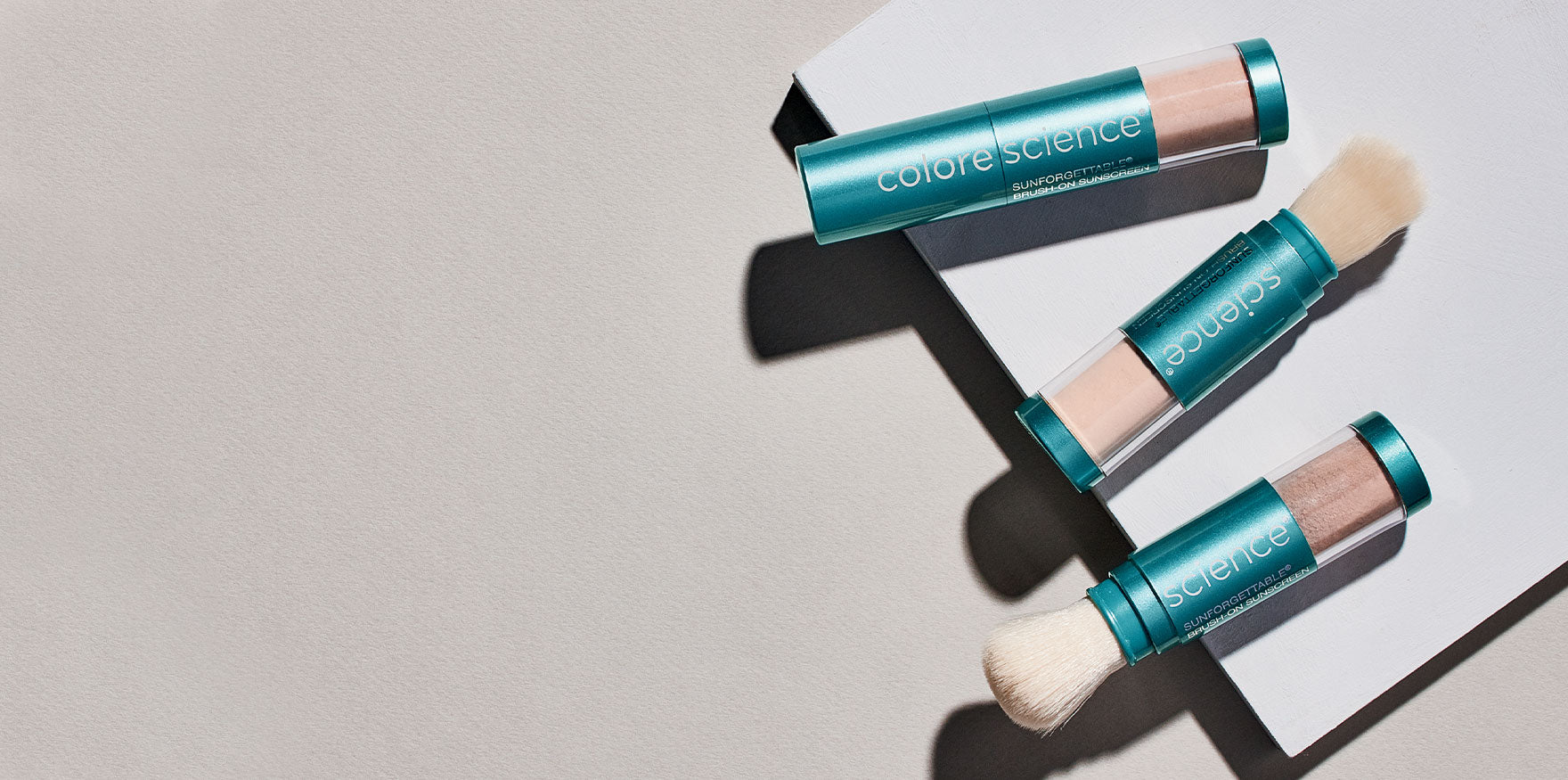
We asked Cara, which Colorescience® products she recommends for acne-prone skin?
I love incorporating Colorescience® products into acne-prone routines because they combine environmental protection with skin-supportive ingredients and professional formulations that patients and clients enjoy wearing daily.
Some products I especially appreciate for acne-prone skin include:
- Barrier Pro™ products like the Barrier Pro 1-Step Cleanser, Barrier Pro™ Serum Spray and Barrier Pro™ Essential Moisturizer for supporting skin barrier health, hydration and providing antioxidant support
- Total Protection® Flex SPF 50 for lightweight support and confidence-building coverage
- All Calm® Multi-Correction Serum for individuals experiencing redness, sensitivity, or acne rosacea
For many acne-prone individuals, wearing foundations and heavy makeup products can feel intimidating. I love it when products can provide breathable coverage while also supporting the skin rather than feeling heavy or occlusive. Ultimately, consistency is key. Daily environmental protection, barrier support, and individualized skincare routines can go a long way in helping acne-prone skin look and feel healthier over time.
Building the Right Acne Care Team
When should you see a professional for acne and what can a skin health expert do that over-the-counter products simply can't?
Working with a skin health professional can help those better understand their unique acne triggers, skin condition, and treatment needs. Acne is never a "one size fits all," and personalized guidance can often prevent unnecessary irritation.
Social media is great for many things, but it can be harmful and misleading to use it to diagnose skin concerns, treat acne and more. This is why I always recommend working with someone who specializes in acne and skin to get real, personalized results.
Seeking care from a Board-Certified Dermatologist is also a part of acne management. Dermatologists diagnose acne and develop individualized treatment plans that may include prescription medications, procedures, and other evidence-based therapies.
Board-Certified Dermatologists and licensed skin health professionals can work hand in hand supporting those who struggle with acne.
Final Thoughts
Acne is a complex condition influenced by genetics, hormones, lifestyle factors, environmental exposures, and skin barrier health. While there is no single solution that works for everyone, a combination of professional guidance, evidence-based care, consistent skincare habits, and daily sun protection can help support healthier-looking skin over time.
Board-certified dermatologists play an important role in diagnosing acne and developing individualized treatment plans. Working alongside dermatologists, skin health professionals can provide education, skincare recommendations, and ongoing support throughout the acne journey.
With patience, consistency, and the right guidance, clearer and healthier-looking skin is an achievable goal.
Key Takeaways
- Acne is a chronic condition influenced by multiple internal and external factors
- Acne is not caused by poor hygiene and cannot be scrubbed away.
- Different types of acne require different approaches to care.
- Supporting skin barrier health is essential for acne-prone skin.
- Daily sunscreen and environmental protection help reduce the appearance of post-acne marks and discoloration.
- Consistency often produces better results than constantly changing products or routines.
- Board-certified dermatologists and skin health professionals each play important roles in supporting individuals with acne.
FAQs
What is a good daily routine for acne?
A consistent, minimalist routine for acne-prone skin is much more effective than layering harsh products. Focus on three main pillars: clearing clogged pores, balancing oil production, and protecting the skin barrier.
What do dermatologists recommend for acne?
Dermatologists recommend a combination of over-the-counter actives and prescription medications, paired with a gentle daily skincare routine. The three core pillars of treatment are retinoids to clear pores, benzoyl peroxide to kill bacteria, and salicylic acid to exfoliate.
Which type of cleanser is best for acne?
The best cleanser for acne depends on your specific skin type and breakout severity, but dermatologists generally recommend over-the-counter cleansers featuring salicylic acid or benzoyl peroxide. It is important to look for gentle, fragrance-free formulas to avoid irritating your skin barrier.
The information shared in this blog should not be used as medical advice. We encourage you to consult a board-certified dermatologist, a medical professional, or a skin health expert who is trained in addressing skin conditions and concerns and making appropriate skincare and treatment recommendations for you.
Meet our KNOW BETTER SKIN PRO
Colorescience® KNOW BETTER SKIN PROs are skin health professionals dedicated to education and committed to elevating others by sharing their experience and expertise—helping others KNOW BETTER SKIN, too.

Cara Dempsey, Founder, LE, We Love Acne
IG: @weloveacne
Cara is a nationally recognized expert in acne treatment and the founder of We Love Acne. Based in Knoxville, TN, she is a licensed esthetician and Face Reality Certified Acne Expert, known for combining science-backed skincare with a supportive, no-fluff approach that clients love. In 2022, Cara was honored Face Reality's Acne Expert of the Year, a prestigious award given to standout professionals for their dedication to client results and excellence in acne care. She has helped hundreds of clients, locally and virtually, transform their skin and regain confidence through customized treatment plans, acne-safe product guidance, and consistent one-one-on support. Cara is also a Colorescience KNOW BETTER SKIN PRO.