
Picking a tinted sunscreen that actually matches your skin can feel tricky, especially when shades look so different once they're on. Finding a shade that blends into your skin while protecting it can feel like a guessing game. The good news? Once you know a few simple tricks about undertones and formulas, choosing the best tinted sunscreen for your face becomes much easier. Here's a friendly guide to help you get it right the first time.
What Is Mineral Sunscreen and Why Does the Tint Matter
Let's start with the basics. If you've wondered what is mineral sunscreen? the answer is simple. Mineral sunscreen uses physical filters like zinc oxide and titanium dioxide that sit on top of the skin and shield it from UVA and UVB rays.
So where does the tint come in? A tinted mineral sunscreen contains iron oxides, which are mineral pigments that give the formula its color. And here's the part worth knowing: a tinted sunscreen with iron oxides helps to block blue light - the kind that comes from sources like the sun, phones, and laptop screens. The tint isn't just cosmetic. It's part of the protection.
Why does that matter? UV rays fall in the 280 to 400 nanometer range, but visible light spans 400 to 700 nanometers and makes up a much larger portion of the light spectrum. Within that range, blue light can produce free radicals in the skin that contribute to damage over time. These wavelengths also activate a different pigment receptor than UV rays, which means they can trigger excess pigment production through a separate pathway. Iron oxides help filter those visible light wavelengths, so a tinted formula offers broader protection than UV coverage alone.
How Do You Figure Out Your Color Palette First
Finding the right shade starts with getting to know your skin a little better. If you've ever typed "how to figure out my color palette" into a search bar, you've probably seen the term undertone. Your undertone is the subtle hue beneath your skin's surface, and it stays the same all year, even when your skin tans or fades.
Here's a quick color palette analysis you can do at home:
- Check your veins. Greenish veins usually suggest warm undertones. Blue or purple veins point to cool undertones. A mix often means neutral.
- Think about jewelry. Gold tends to flatter warm undertones, while silver complements cool ones.
- Notice how your skin reacts to sun. Skin that tans easily often leans warm, while skin that flushes pink may lean cool.
A traditional skin tone colour palette has two parts: depth (fair, light, medium, tan, deep) and undertone (warm, cool, neutral). When you understand both, the whole color palette for skin tones starts to make sense, and shade matching gets a lot less stressful.
Should You Match Tinted Sunscreen Like a Color Match Foundation
Yes and no. With a color match foundation, you're looking for an exact match because foundation provides full, opaque coverage. Tinted sunscreen works differently - most formulas offer sheer to medium coverage that blends with your natural skin rather than covering it completely.
The same idea applies if you're learning how to choose the right color concealer. Concealers often run a shade lighter to brighten the skin. Tinted sunscreen, on the other hand, should melt into your skin tone so the finish looks like you, only more even.
A helpful suggestion: when you're stuck between two shades of tinted sunscreen, the lighter one is usually the safer pick. Sheer, buildable formulas adapt as you blend, so a slightly lighter shade tends to disappear into the skin more naturally than one that's too deep.
What About Dark Skin and Sunscreen
If you have a deeper complexion, you've probably dealt with sunscreens that leave a white or gray cast. That frustration is real, and it's one reason conversations around dark skin and sunscreen matter so much. Research published in PMC found that very few facial sunscreens on the market contain iron oxides or offer shade matching, which leaves a clear gap for deeper skin tones.
That same research notes that visible light can contribute to discoloration in skin of color, which makes iron oxide tints especially relevant. So when shopping for sunscreen for dark skin, you may want to look for two things: an all-mineral formula that won't leave a chalky cast, and a tint with iron oxides that supports your skin against blue light. Tone-adapting formulas are a smart option here because the pigments adjust to your skin rather than sitting on top of it in one flat color.
Which Tinted Mineral Sunscreen Fits Your Skin Tone Best
Now for the fun part. Colorescience designed its Total Protection® Collection with shade flexibility in mind, so you can find a match that blends with your natural skin tone. Each tinted formula is powered by EnviroScreen® Technology, which delivers 5-point protection against UVA/UVB rays, blue light, infrared radiation, and pollution while providing free radical defense. And because these tinted sunscreens are made with iron oxides, they also help block blue light from screens and devices.
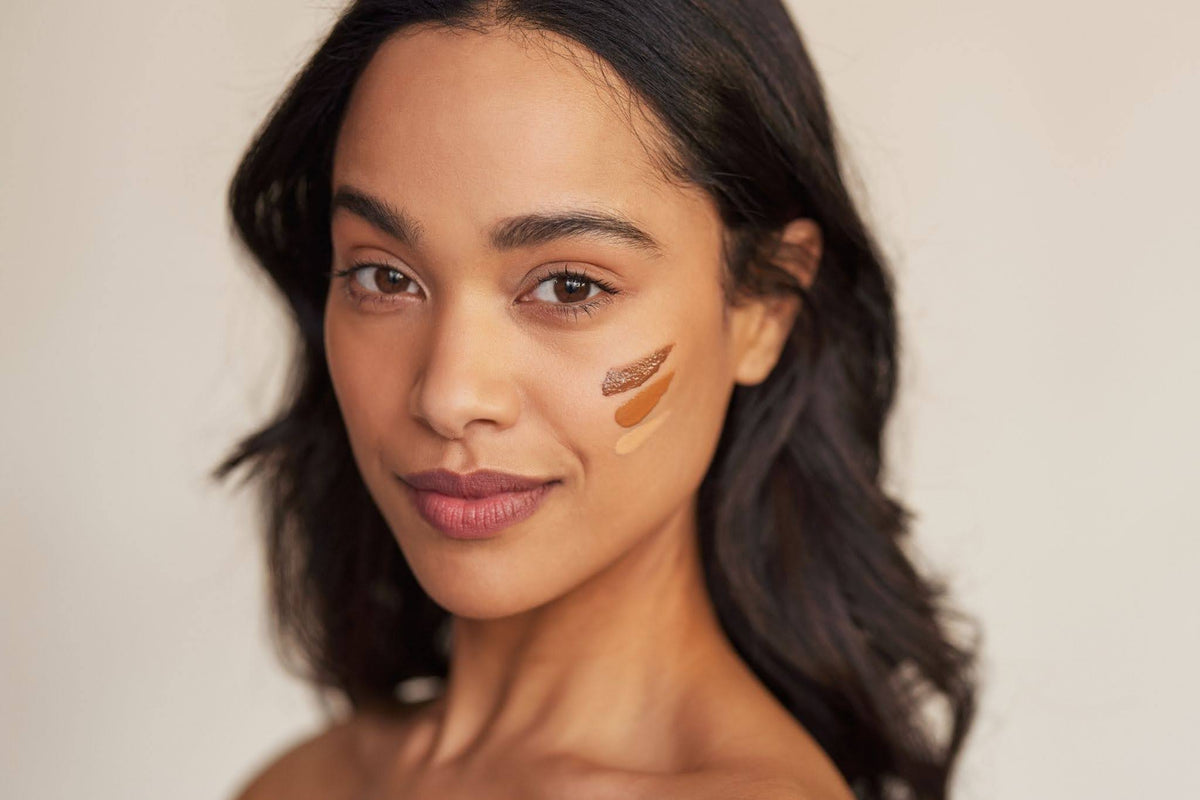
For tone-adapting, buildable coverage, consider Sunforgettable Total Protection Face Shield Flex SPF 50. Its encapsulated iron oxide pigments bloom in your fingertips and adjust to your skin's natural tone, delivering a demi-matte finish in six shades. Each shade can align with different skin tones and undertones which takes the pressure off finding one perfect match. Skin health professionals trust Flex for daily protection against UV, blue light, infrared radiation, and pollution, thanks to EnviroScreen Technology.
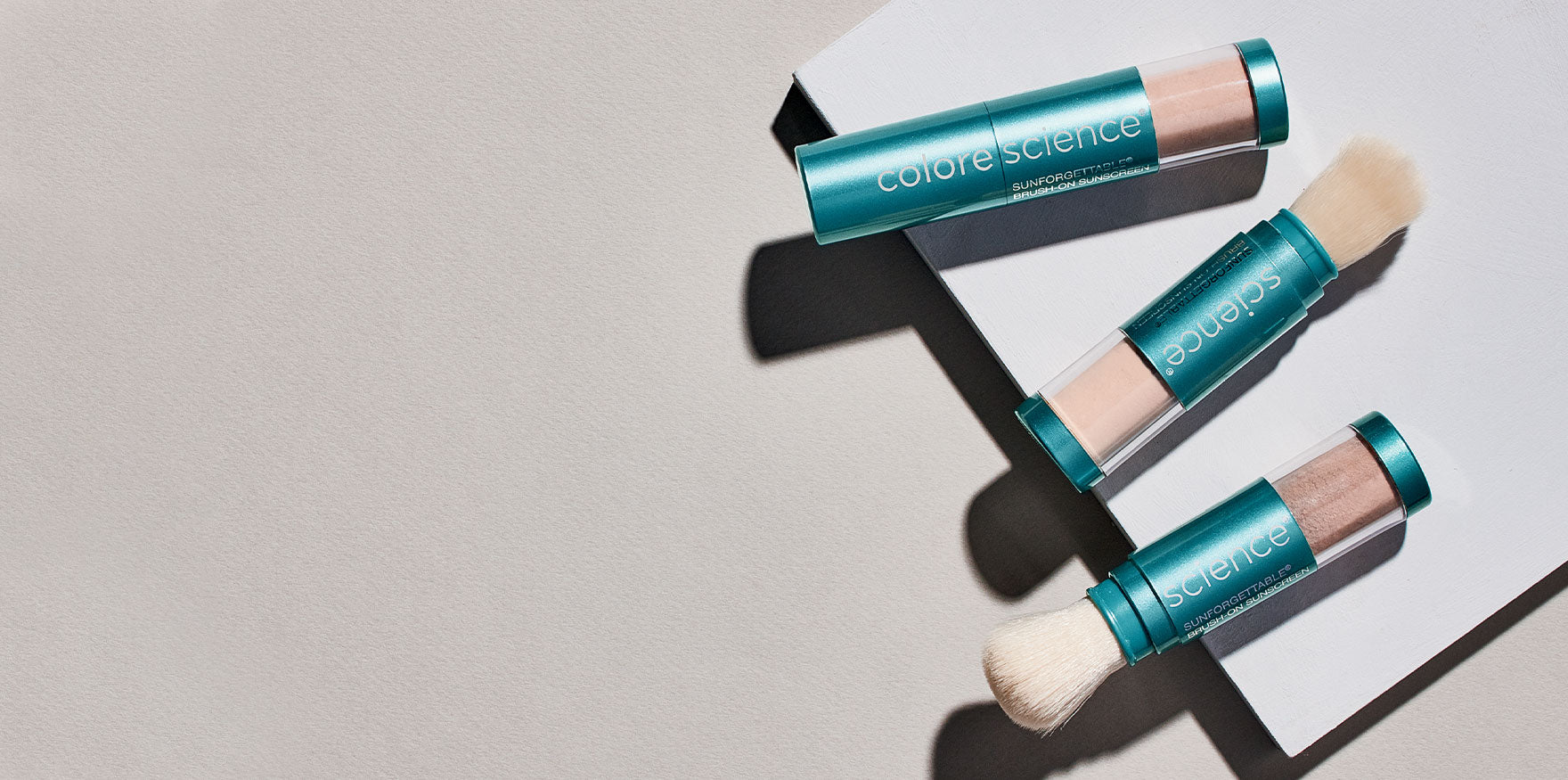
For touch-ups and on-the-go reapplication, try the Sunforgettable Total Protection Brush-On Shield SPF 50 - this is the only powder sunscreen recommended by The Skin Cancer Foundation for active use. Sweep it on by itself or over makeup for SPF 50 protection that provide up to 80 minutes of water and sweat resistance. Both the FDA and the Skin Cancer Foundation recommend reapplying sunscreen at least every 2 hours when outdoors and immediately after swimming or sweating.
You can browse the full range of mineral sun protection here to find your fit.
A Simple Way to Find Your Shade
Ready to put it all together? Here's a quick routine you can follow:
- Identify your depth. Decide whether your skin reads fair, light, medium, tan, or deep.
- Confirm your undertone. Use the vein and jewelry checks above.
- Test on your jawline, not your hand. Your face and neck should match, so the jawline gives the truest read.
- Let it develop. Tone-adapting formulas like Face Shield Flex need a minute or two to settle into your shade.
- When in doubt, go lighter. l Feel free to mix two Face Shield shades to create your ideal match. Every Face Shield delivers the same all-mineral SPF 50 protection, so you never trade safety for color.
Frequently Asked Questions
Can tinted sunscreen replace my foundation?
For many people, yes. A buildable formula like Total Protection Face Shield Flex SPF 50 offers medium coverage that evens skin tone. You can wear one layer for a natural look or layer it under foundation for fuller coverage.
Does tinted sunscreen work on deep skin tones?
Absolutely. Tone-adapting shades with iron oxides blend into deeper complexions without a white cast, and the tint helps block blue light, which supports skin tones prone to discoloration.
How do I know my undertone for sunscreen shades?
Check your veins in natural light. Green suggests warm, blue suggests cool, and a mix suggests neutral. Gold versus silver jewelry preference is another easy clue.
How often should I reapply tinted sunscreen?
Skin health professionals recommend reapplying every 2 hours when outdoors and immediately after swimming or sweating.