
Facial redness happens when blood vessels close to the skin surface widen, causing red, blotchy, or flushed skin on your cheeks, nose, chin, or forehead. Common causes include rosacea, acne, eczema, psoriasis, sun damage, allergic reactions, and seborrhea. Red spots on your face, red patches, red marks, and red splotches can all look different depending on what is causing them. The good news is that once you know the cause of your redness on your face, you can find the right way to calm it and work toward a more even, balanced complexion.
Red Spots on Your Face That Are Not Acne
Not every red spot on your face is a pimple. If you're noticing red spots on your face that are not acne, several other conditions could be the cause. Understanding the difference can save you from using the wrong products and making redness worse.
Red blotches on face that come and go are often tied to conditions like hives (urticaria), which appear as raised, itchy welts and can pop up suddenly in response to stress, food, or weather changes. These usually fade within hours or days but may keep returning if the trigger isn't removed.
A red blemish on face that doesn't behave like a typical pimple could be contact dermatitis (an allergic skin reaction), a broken capillary, or a condition called keratosis pilaris, which causes small rough bumps that look like acne but aren't.
Sudden red spots on face can also be caused by petechiae, which are tiny pinpoint dots from broken capillaries under the skin. These don't blanch (turn white) when you press on them, which makes them different from acne or rosacea. If tiny spots like these appear suddenly or spread, especially with a fever or feeling unwell, get medical care right away.
Here's a quick way to tell if your red spots may not be acne:
-
They don't have a whitehead or blackhead
-
They appear in clusters rather than one at a time
-
They itch, burn, or feel warm to the touch
-
They come and go without a clear breakout pattern
-
They don't respond to typical acne treatments
If your red spots stick around for more than two weeks or keep coming back, it may be worth seeing a board-certified dermatologist for a proper diagnosis. Many of these conditions respond well to gentle, calming skincare, and daily all-mineral sun protection can help prevent UV-triggered redness from making things worse.
Why Is My Face Red?
Waking up with a red face is undoubtedly alarming and leaves you wondering what could have possibly caused it. Face redness will look different for everyone. Some people will have spidery blood vessels scattered around their face. Other people will have flushed skin on their cheeks. But in order to get rid of those pesky red spots on your face, you need to identify the root cause of them.
It also helps to notice what kind of redness you have. Flushing is redness that comes and goes, often within minutes, after heat, exercise, alcohol, spicy food, or stress. Persistent redness is a background flush on the cheeks, nose, or chin that doesn’t fully fade, sometimes with visible blood vessels, and is a common sign of rosacea or long-term sun damage. Redness with bumps, such as pimple-like spots, pustules, or rough texture, can point to acne, rosacea, or keratosis pilaris, while redness with flaking or scaling points more toward seborrheic dermatitis, eczema, or psoriasis.
Keeping track of which pattern you see, and what sets it off, makes the cause much easier to pin down. Here are the most common conditions behind a red face.
1. Rosacea
One of the most common reasons for a red complexion is rosacea. This is a common, incurable, chronic skin condition that can mimic adult acne. It typically affects the center of the face: the cheeks, nose, chin, and forehead.
The symptoms of rosacea can include:
- Facial redness
- Small red pimples
- Fine red vascular lines on the face
- An enlarged red nose with bulbous qualities
- Eye issues, which may include red, swollen eyelids, conjunctivitis, and cornea inflammation
If you’re experiencing these symptoms, rosacea could be to blame. This common skin condition affects more than 16 million Americans. It's diagnosed more often in fair skin, but it occurs in all skin tones and can be harder to spot on deeper skin.
For many, rosacea goes undiagnosed for years. Many mistakenly believe their rosacea flare-ups are just a sign of sensitive or flushed skin, but that’s simply because this chronic inflammatory condition can ebb and flow. Unlike acne, rosacea isn’t outgrown but there are treatment options and products like rosacea face cream that can reduce redness and lessen its symptoms.
What causes rosacea?
While the exact cause of this skin condition is still unknown, rosacea can flare up for a variety of reasons, including abnormal reaction of blood vessels, bacteria, harsh or irritating skincare products, and common triggers like sun exposure, heat, alcohol, spicy food, and hot drinks.
Identifying rosacea for darker skin tones
Rosacea presents itself differently in darker skin tones, and often goes undiagnosed due to the lack of trademark rosacea redness. On deeper skin tones, one of the first signs of rosacea is often a consistent warm feeling on the skin. This can be followed by acne-like breakouts that don’t clear up with the use of acne medication.
The breakouts can also appear as yellowish-brown bumps that appear around the mouth, the eyes, or both. Your skin might become dry or swollen, and certain areas may appear darker and discolored.
Because rosacea bumps are easy to mistake for acne, and many people deal with both, choose the best sunscreen for oily acne prone skin to calm inflammation and control sebum.
2. Acne
Acne is the most common skin disorder in the United States, and affects approximately 50 million Americans annually. This sometimes painful skin condition often begins in adolescence, when young men and women begin puberty; while many see their acne woes disappear after reaching adulthood, many deal with adult breakouts resulting in facial redness and painful, swollen blemishes.
What causes acne?
Acne forms when the tiny pores on the surface of your skin become plugged with oil, dead skin cells, bacteria, and debris. Each of your pores opens up to a follicle beneath the top layer of your skin; each of these follicles contains a single hair and a sebaceous gland. The latter is responsible for producing sebum, a waxy substance that keeps your skin soft and supple.
When hormonal fluctuations occur, this gland pumps out an excess of sebum. This oily substance can pick up dead skin cells and bacteria on its way out of the pore, creating a plug. When the plug presses against your skin, your body sends red and white blood cells to fight infection. The result? A painful pimple that may be surrounded by facial redness that’s sensitive to the touch.
3. Seborrhea
Seborrhea, also known as seborrheic dermatitis, is a common skin condition that affects millions of Americans each year. Typically, it presents as flaky, red patches. These patches may or may not be itchy, and when this condition is found on the scalp, it can be called dandruff. On the face, it usually appears around the sides of the nose, on and between the eyebrows, along the hairline, and in the beard area. On the body, you may spot these patches on your chest, around your belly button, on the buttocks, in skin folds under your arms or behind your knees, and within the groin.
Newborns and adults ages 30 to 60 are most likely to struggle with seborrheic dermatitis, but it tends to be more common in men and those with oily skin.
What causes seborrhea?
Healthcare experts aren’t sure exactly what causes seborrhea, but typical culprits include:
- Excess stress
- Genetic predisposition
- A yeast that thrives on the skin
- Medical conditions
- Cold, dry weather conditions
4. Lupus
Lupus is a chronic autoimmune disease that can affect the skin, joints, and organs. On the face, it may cause a butterfly-shaped rash across the cheeks and nose that often worsens with sun exposure. Because lupus affects the whole body, a facial rash that comes with fatigue, joint pain, or fever should be checked by a doctor, who may refer you to a rheumatologist.
5. Eczema
If your facial redness consists of dry, scaly patches and itchy, cracked skin, you may have eczema. This common, chronic skin condition appears first as dry red and brown patches in skin folds—often inside of elbows, behind the knees, on the underarms—or on the face, neck, hands or feet.
Eczema is an umbrella term for several itchy, inflammatory skin conditions, the most common being atopic dermatitis. It’s linked to a weakened skin barrier and often flares with harsh soaps, fragrance, dry air, and temperature swings. A dermatologist can confirm the type and recommend treatment.
6. Psoriasis
Psoriasis is a skin condition that causes red, itchy patches on the skin. This condition is quite common—more than 8 million people in the United States suffer from psoriasis.
On the face, psoriasis usually shows up as well-defined red or discolored patches with silvery or white scale, often along the hairline, on the eyebrows, or around the nose. It’s an immune-driven condition that speeds up skin cell turnover, and it can flare with stress, smoking, alcohol, and cold weather. A dermatologist can recommend face-safe treatment options.
7. Shingles
Shingles is a condition that causes a painful, blistering rash. This rash can appear anywhere on your body, from your torso to your face. Symptoms of shingles include pain, burning, sensitivity to touch, a red rash, and fluid-filled blisters. You may also experience a fever and headache. Shingles happens when the chickenpox virus reactivates, often when the immune system is weakened, and a vaccine is the best way to lower your risk.
8. Allergic reaction
Contact dermatitis is another possible cause of face redness. It’s a red, itchy rash that develops when your skin touches something that irritates it or that you’re allergic to. Contact dermatitis isn’t life threatening, but it can be very uncomfortable. It’s a very common condition—approximately 1 in 5 people experience allergic contact dermatitis.
Symptoms of an allergic reaction can include a red rash, itching, dry, cracked skin, bumps, and blisters. Symptoms can develop within minutes to hours of being exposed to the irritant.
What causes an allergic reaction?
An allergic reaction is caused when you’re exposed to a substance that irritates your skin. There are two different types of contact dermatitis: irritant contact dermatitis and allergic contact dermatitis. Irritant contact dermatitis is the most common type and occurs when a substance damages your skin’s protective layer. Allergic contact dermatitis occurs when you come in contact with a substance you’re allergic to and it triggers an immune reaction on your skin.
9. Spider veins
Spider veins are actually not veins but clusters of weak or damaged capillaries that appear in red or blue spider web-like shapes beneath the surface of the skin. They commonly appear on the legs but can also occur on the face around the nose, cheek, and chin areas.
Unlike varicose veins, which can be a sign of a more serious health issue, spider veins on the body are often harmless. While symptoms related to spider veins are rare, sometimes people can experience itching or general discomfort, usually associated with spider veins on the legs. Those who seek treatment for spider veins often do so solely for cosmetic purposes.
What causes spider veins?
The root cause of spider veins or broken capillaries can be difficult to identify, but common culprits seem to be sun damage, changes in hormones, and injuries to the area. And as with many health issues, a genetic history of spider veins make it more likely for a person to inherit a weakness in the capillaries that cause them to break down.
Does sun damage make facial redness worse
Yes, sun exposure is one of the biggest triggers for facial redness, no matter what is causing it. UV rays can widen blood vessels, trigger rosacea flare-ups, worsen post-acne redness, and speed up the breakdown of tiny capillaries under the skin.
Over time, repeated sun exposure without protection can lead to lasting redness and visible blood vessels that are harder to treat. That is why wearing broad-spectrum sunscreen every single day is one of the simplest and most effective ways to help keep facial redness from getting worse.
You may want to consider a multi-functional sunscreen that protects against more than just UV rays. Look for formulas that also help defend against blue light (HEV), pollution, and infrared radiation, since these environmental stressors can also contribute to skin sensitivity and redness over time.
How to reduce redness on face
“When a client came in red and reactive, my first move was almost always to take things away, not add more. Stripping cleansers, stacked actives and hot water all keep the barrier inflamed. Once skin is calm and protected with a mineral SPF, it’s much easier to see what’s really going on.” — Alex Lang, Director of Global Education
Once you’ve identified the root cause of the red patches on your face, then you can find the proper treatment for it. You can treat face redness with various at-home remedies but it’s always a good idea to see a doctor so you can be sure it’s not something more serious.
Here are some ways to reduce red blotches on your face:
Rosacea: treatment and prevention
You can’t prevent rosacea, but you can commit to avoiding certain triggers. If you believe your facial redness is caused by rosacea, learn your personal triggers (common ones include sun, heat, alcohol, spicy food, and hot drinks), keep your routine gentle and fragrance-free, and wear a non-comedogenic mineral SPF every day. A dermatologist can also prescribe treatments that target persistent redness and bumps.
Acne: treatment and prevention
If you’re struggling with acne, it’s important to follow a daily skin care regimen using products that are gentle on the skin. With facial redness, it’s especially important to avoid abrasive products, in terms of cleansers and cosmetics. Gently dab your face and avoid harsh scrubbing to prevent further irritation.
Acne + redness combo? Shop sunscreen for acne-prone skin - non-comedogenic mineral SPF calms inflammation.
Seborrhea: treatment and prevention
Seborrhea is typically a lifetime condition that can be controlled with the right habits. However, if your seborrhea is caused by an underlying medical problem, treatment of the issue may clear up your facial redness and dryness. Rest and exercise can help to reduce stress, which in turn reduces the likelihood of seborrheic dermatitis flare-ups. Wash every day with a gentle cleanser, and consider using medicated shampoos and sulfur products to control this condition.
Lupus: treatment and prevention
Lupus isn’t preventable, but early diagnosis can help manage this disease. If you believe you have lupus, it’s important to see a rheumatologist, who can treat the condition through a variety of medications.
Eczema: treatment and prevention
There’s no cure for eczema, but a consistent, barrier-first routine can reduce flare-ups: use lukewarm water, moisturize often, pat skin dry, wear breathable fabrics, and avoid known triggers. For persistent or severe flares, a dermatologist can prescribe stronger creams or ointments.
You can check out the National Eczema Association for more information on how to go about treating eczema and other types of dermatitis.
Psoriasis: treatment and prevention
Psoriasis can’t be cured, but it can be well controlled with topical treatments, light therapy, or oral and injected medications, depending on severity. Facial skin is delicate, so work with a dermatologist on face-safe options, and support your skin by moisturizing regularly, managing stress, and using a humidifier in dry weather.
Shingles: treatment and prevention
There's no cure for shingles, but antiviral medicine works best when started as soon as possible after the rash appears. Shingles on the face, especially near the eye, needs prompt medical care, because untreated shingles near the eye can cause lasting eye damage. Starting antivirals early also lowers the risk of long-term nerve pain.
Allergic reaction: treatment and prevention
The best way to prevent an allergic reaction is to avoid the substance that you’re allergic to. This isn’t always easy, so if you can’t avoid the allergen entirely, try to reduce your exposure to it as much as possible. It’s also important to take your allergy medication as prescribed if you do find yourself having a reaction. If you have a severe allergy, make sure you keep your epinephrine auto-injector on you at all times.
Most Common Treatments For Facial Redness
If persistent facial redness is what’s keeping you from achieving a balanced skin tone, you may want to consider a treatment that specifically targets redness. There’s a wide array of over-the-counter and prescription treatment options that help reduce red spots on your skin.
Topical treatments
When it comes to treating redness, the most common and readily available option is over-the-counter topical treatments. Specially formulated products, including those featured in our clinically-proven All Calm® Sensitive Skin Regimen, can be very effective additions to your skincare routine. The regimen includes:

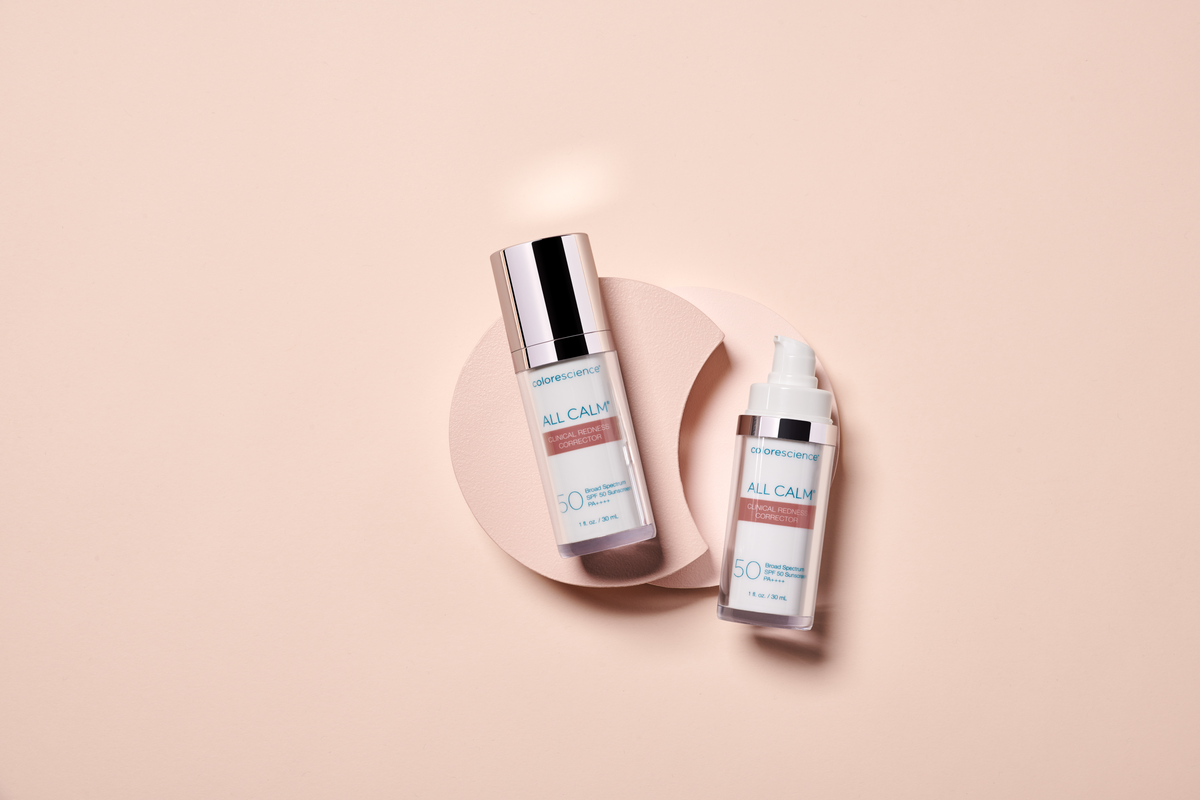
All Calm® Clinical Redness Corrector SPF 50 minimizes redness, soothes, and protects skin from the powerful UV rays that contribute to redness. The patented BioSolace® ingredient complex helps provide ongoing relief from sensitivity and the appearance of redness while all-mineral SPF 50 sunscreen helps protect skin from further irritation by the sun.

All Calm® Multi-Correction Serum is a lightweight, calming serum that features the same proprietary BioSolace® ingredient complex to help calm sensitive skin. With continued use, it can help address the appearance of redness in your complexion. It also helps improve moisture retention, contributing to skin barrier health and softer skin.
For those who want a base for your makeup that extends wear while helping with redness and sensitivity, our Calming Primer SPF 20 is the perfect solution. It’s color correcting, contains SPF 20 to protect skin from harmful UV rays, and is formulated specifically for sensitive skin types.
Redness-prone skin needs careful layering, so it helps to know whether sunscreen goes before or after moisturizer to avoid irritation and ensure protection.

If you’re looking for an untinted sunscreen that is still friendly to sensitive skin, the Total Protection® No-Show™ Mineral Sunscreen SPF 50 is a great choice. This sheer, ultra-lightweight mineral sunscreen blends seamlessly with your complexion and leaves your skin feeling velvety soft.
If you experience facial redness or sensitivity, the prickly pear skin benefits are worth knowing: its rich antioxidant and polysaccharide content has soothing properties that help calm irritated skin.
Laser & light therapy
Laser and light treatments, while usually more expensive than the topical route, can be very effective in treating several skin conditions, including facial redness. The most common options are pulsed dye laser (PDL), KTP laser, and intense pulsed light (IPL). All three target visible blood vessels, which makes them well suited to rosacea, broken capillaries, and spider veins. PDL and KTP are lasers designed specifically for blood vessels, while IPL uses a broader spectrum of light and can also improve sun-related discoloration. These treatments should be performed by a board-certified dermatologist or other qualified provider, especially on deeper skin tones, where settings must be adjusted carefully to avoid pigment changes.
General redness can be a bit harder to treat and may need more sessions for the best results. Those who choose laser treatments do so because, in addition to their effectiveness, they are non-invasive. Most people need a series of sessions, temporary swelling or bruising is possible, and results need maintenance.
If you are considering laser or light therapy, your dermatologist can help you understand what to expect and whether it is the right fit for your skin.
Medications
For inflammatory acne, dermatologists may prescribe oral antibiotics like doxycycline, which can also calm the redness around breakouts. For rosacea, dermatologists may prescribe topicals such as azelaic acid, metronidazole or ivermectin for bumps, or brimonidine or oxymetazoline for persistent redness. Oral options like low-dose doxycycline may also be used. If you’re considering medication to treat a skin condition, consult with your dermatologist to formulate the regimen that will work best for your skin.
5 Ways You Could Be Making Facial Redness Worse
Facial redness can affect anyone at any age, but there are certain triggers that can contribute to red skin. Make sure you’re not unwittingly adding flame to the fire. Here are five things that can make your facial redness worse:
1. Stress
We’ve long been told that stress affects our health in a variety of ways, so it should come as no surprise that excess stress can make facial redness worse. To prevent stress-induced redness, practice meditation, exercise regularly, and be sure you’re getting the adequate amount of rest.
2. Sun exposure
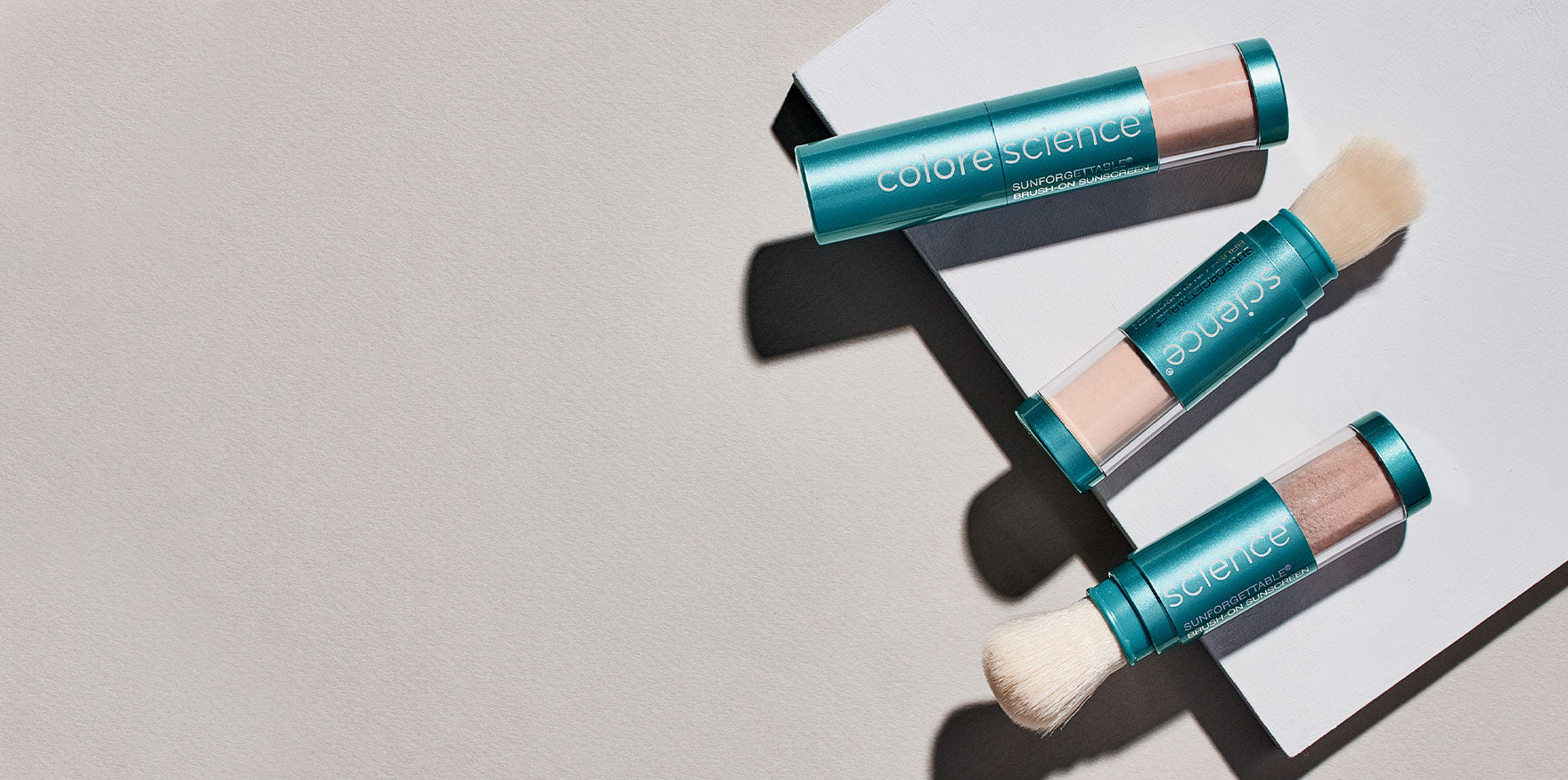
We all know spending too much time in the sun, especially when there’s a high UV index, can cause a sunburn, but any type of sun exposure can make facial redness worse. UV rays dilate blood vessels and, over time, can damage them so they stay visible; once that happens, in-office laser or light treatments are the most effective way to reduce them. Be sure you’re applying sunscreen every time you head outside. Sunforgettable® Total Protection® Brush-On Shield SPF 50 is easy to take on the go. Protecting sensitive, redness-prone skin from sun damage is essential, so understanding what PA++++ means helps you choose sunscreens with maximum UVA protection.
3. Alcohol
Alcohol causes inflammation throughout your body, and this inflammation is easy to spot on your skin. Excess alcohol causes the small blood vessels in your skin to widen, allowing more blood to flow close to the surface of your skin. This can lead to flush, which may cause capillaries to break. Drink in moderation to avoid these harmful effects.
4. Poor quality cosmetics
Using poor-quality cosmetics with harmful ingredients can irritate the skin, resulting in itchy redness. Always select high-quality products, like this face cream for redness, that both treat your skin while providing the look you want. Browse Colorescience for products that offer SPF protection and a flawless finish.
5. Spicy foods
If you’re struggling with rosacea or another form of facial redness, leave the spicy foods alone. Spicy foods are one of the most commonly reported rosacea triggers. Spicy foods can dilate blood vessels in the skin, increasing the appearance of facial redness.
If you’re looking for a facial redness treatment, first consider the causes behind your skin irritation. Finding the root of the problem helps you discover the best solution, so talk to your health care provider and try some of the above remedies for facial redness.
Complete redness solution: All Calm Sensitive Skin Regimen - clinically-proven 25% redness reduction, BioSolace® calms on contact.
How to Get Rid of Face Redness Quickly
If you wake up the morning of a big event with a beet-red face, don’t panic. There are many ways to get rid of face redness quickly that don’t require a trip to the dermatologist’s office. Some things to try are:
- Makeup: Foundation and concealer are easy to apply and reduce the visibility of your redness instantly.
- Soothing masks: You can use a face mask with soothing ingredients that reduce redness and inflammation. Ingredients like chamomile, aloe, and cucumber are great at reducing face redness.
- Switch up your products: If you’re suddenly experiencing red spots on your skin, it could be because of a certain skin product you’re using. If you think this is the case, stop using all your skin products, go back to the basics, and see how your skin reacts.
Calming redness requires the best makeup for sensitive skin with soothing minerals and SPF protection.
Can Your Skincare Routine Help With Facial Redness
Your daily skincare routine plays a bigger role in facial redness than you might think. Harsh cleansers, strong exfoliants, and products with fragrances or alcohol can all trigger or worsen redness, even in skin that isn't usually sensitive.
The foundation of any redness routine is a healthy skin barrier: the outer layer of skin that holds in moisture and keeps irritants out. When the barrier is compromised, skin loses water, becomes more reactive, and turns red more easily. Repairing it comes before any targeted treatment: cleanse gently, moisturize with barrier-supporting ingredients like ceramides, glycerin, and niacinamide, pause strong actives until skin settles, and protect with a mineral SPF every day.
If redness is a concern for you, here are a few things to consider:
-
Choosing a gentle, fragrance-free cleanser that does not strip your skin's natural moisture barrier
-
Using lightweight, soothing serums with calming ingredients before applying sunscreen
-
Wearing broad-spectrum SPF every day, since unprotected sun exposure is one of the top triggers for redness
-
Avoiding over-exfoliating or using too many active ingredients at once
When to See a Doctor to Address Face Redness
“Redness is one of those concerns where a proper diagnosis changes everything. Rosacea, seborrheic dermatitis and contact allergy can look alike, but they’re managed very differently. If redness is persistent, comes with bumps, or involves your eyes, that’s the moment to see a dermatologist.” — Alex Lang, Director of Global Education
While you may be able to treat your face redness with home remedies, you may want to consider seeing a doctor to have your condition checked out and diagnosed. You should see a doctor if:
- Redness lasts more than two to four weeks or keeps coming back
- You have burning, grittiness, or irritation in or around your eyes
- You have a painful, blistering rash, especially on the forehead or near the eye
- Redness comes with fever, joint pain, or fatigue
- Your face, lips, or eyelids swell suddenly, or you have trouble breathing (seek emergency care)
- Over-the-counter products and gentle skincare haven’t helped
A doctor may also be able to administer treatments that you couldn’t do yourself, such as laser treatment and allergy testing. Overall, you’re always better off safe than sorry, so if facial redness persists, it can’t hurt to see a doctor to have it checked out. The sooner you talk to a professional, the quicker you can get redness under control with the right treatment.
Restore a calm complexion & feel confident in your skin
Waking up in the morning to a red face can definitely put a damper on your confidence. But fortunately, there are many ways you can go about treating facial redness so that you can feel confident in your skin once again. Whether that’s with at-home remedies or with the help of a dermatologist, there’s a treatment out there for your case of facial redness. If you’re looking for high-quality skin products that can help with rosacea and redness on your journey to more balanced skin, look no further than Colorescience. We offer a special skin care regimen that’s designed specifically to address face redness. With the right routine in place, red mornings can become the exception rather than the rule. Find the right solution today!
Facial Redness FAQs
Can facial redness worsen with age?
Yes, facial redness can increase as we get older for many reasons. As we age, the skin gets thinner and blood vessels beneath the surface can appear more visible. Visible redness caused by sun damage also tends to appear with age, and certain skin conditions that cause redness like rosacea can onset with age, often around middle age.
What can cause sudden facial redness?
Things like allergic reactions, sunburn, high temperatures, alcohol, spicy foods, and physical exercise can cause a sudden increase in facial redness. These are often temporary reactions that are harmless and will go away on their own, but seek emergency care if redness comes with swelling of the lips, tongue, or eyes, hives spreading across your body, or difficulty breathing.
What other symptoms often occur with facial redness?
Facial redness can be accompanied by a burning or stinging sensation, and sometimes, the reddened skin can become rougher in texture. Redness often appears alongside uneven skin texture, so a routine that calms and smooths skin can improve both concerns.
Why is my skin blotchy?
Blotchy skin results from rosacea, seborrhea, eczema, or spider veins causing uneven redness. Sun damage, hormonal changes, and genetics contribute. Identifying whether blotchiness stems from inflammation, broken capillaries, or underlying conditions is crucial for selecting effective solutions like the All Calm Sensitive Skin Regimen.
What to do for allergic reaction on face?
Immediately stop using the irritating product and avoid the allergen. Apply gentle moisturizer, take lukewarm baths, and pat skin dry. Over-the-counter antihistamines reduce itching and inflammation. If symptoms persist, see a doctor who may prescribe topical corticosteroids. Use fragrance-free products for sensitive skin.
Why does my face get red?
Facial redness has multiple causes including rosacea, acne, eczema, seborrhea, allergic reactions, or spider veins. Triggers like sun exposure, stress, alcohol, spicy foods, and poor-quality cosmetics dilate blood vessels. Identifying your specific cause is essential for treatment. Daily mineral sunscreen prevents UV-triggered redness.
How to get rid of red pimples?
Follow a gentle daily skincare regimen avoiding abrasive products. Dab your face gently, use non-comedogenic products, and apply targeted treatments containing benzoyl peroxide or azelaic acid. Protect healing skin with mineral sunscreen daily. For persistent acne, oral medications like doxycycline may reduce breakouts and redness.
What's the best foundation for covering redness?
The best foundation for covering redness is a full-coverage, long wear mineral formula. Our All Calm® Clinical Redness Corrector SPF 50 instantly neutralizes the look of redness with subtle green undertones and SPF 50 protection, creating an even, flawless base. Layer with your favorite formula from our foundations collection for all-day coverage that keeps redness under control.
What concealer is best for redness?
The best concealer for redness is one that color-corrects while treating skin. Our All Calm® Clinical Redness Corrector SPF 50 acts as a corrective concealer-primer hybrid — its green-toned BioSolace® formula visibly neutralizes the look of redness, while delivering ongoing soothing benefits. Pair with All Calm® Multi-Correction Serum for enhanced, long-term redness relief.
What color neutralizes the look of redness?
Green neutralizes the look of redness. Using color theory, green cancels out red tones on contact. Our All Calm® Clinical Redness Corrector SPF 50 features perfected green undertones to balance redness without looking green on skin. Prime with our Calming Primer SPF 20 beforehand for a seamlessly even, redness-free finish.
Why do I have a red spot on my face that won't go away?
A persistent red spot may indicate post-inflammatory erythema (PIE) from healed acne, a broken capillary, or early rosacea. Spots lasting more than 2–4 weeks without change warrant a dermatologist evaluation to rule out underlying conditions.
What causes red bumps on the face?
Red bumps — raised and textured unlike flat spots — are typically caused by acne, folliculitis, keratosis pilaris, or allergic contact dermatitis. Identifying whether bumps are pustular, papular, or rough-textured helps determine the correct treatment approach.
How can I reduce redness on my face quickly?
Apply a cold compress for 5–10 minutes, use a green-pigment color corrector with mineral SPF to neutralize redness instantly, and avoid touching or rubbing the area. Topical niacinamide and aloe vera gel can help soothe skin that feels irritated.
Can sunscreen help reduce facial redness?
Yes, wearing sunscreen every day can help prevent UV-triggered redness and protect sensitive skin from getting worse. UV rays are one of the most common triggers for rosacea flare-ups, broken capillaries, and post-inflammatory redness. Choosing a broad-spectrum mineral sunscreen that also helps defend against blue light and pollution can give your skin an extra layer of support. A tinted sunscreen with iron oxides may also help block blue light for added protection.
What ingredients help calm red skin
Ingredients like niacinamide, aloe vera, chamomile, hyaluronic acid, and green tea are known for their soothing and calming properties. Niacinamide in particular can help reduce inflammation and support a stronger skin barrier. When choosing products for redness-prone skin, looking for gentle, fragrance-free formulas with calming ingredients is a good place to start.
Why does my face turn red after washing it?
Your face may turn red after washing because of hot water, a cleanser that is too harsh, or over-scrubbing. Hot water can cause blood vessels to dilate, and rough physical exfoliation can irritate sensitive skin. Switching to lukewarm water and a gentle, fragrance-free cleanser can help reduce post-wash redness.
Can stress cause redness on the face?
Yes, stress is a well-known trigger for facial redness. When you are stressed, your body releases cortisol and other hormones that can increase inflammation and widen blood vessels near the skin surface. This can lead to temporary flushing or make existing conditions like rosacea and eczema flare up. Managing stress through exercise, rest, and relaxation techniques can help keep stress-related redness in check.
What is the difference between rosacea and a lupus rash?
Both rosacea and lupus can cause redness on the cheeks and nose, and both can flare with sun exposure. The key difference is texture. A lupus rash tends to cause red, scaly, itchy patches, while rosacea makes skin look red, swollen, and bumpy. Rosacea isn't contagious, but it is a chronic condition, and it needs medical care when it affects the eyes. Lupus rashes can cause scarring and require medical treatment.
Do red spots on the face always need medical treatment?
Not always. Many red spots from minor irritation, temporary flushing, or mild contact dermatitis will clear on their own within a few days. But if your red spots persist for more than two weeks, cause pain, or come with other symptoms like swelling or fever, it's best to see a dermatologist for proper diagnosis.
Last updated: October 19, 2026