
The secret to a natural-looking foundation starts with prep, placement, and patience. Begin with moisturized skin, choose a lightweight formula, and apply from the center of your face outward using gentle pressing motions rather than rubbing. Build coverage only where needed instead of your entire face.
How Do You Apply Liquid Foundation for a Natural Finish?
Applying liquid foundation begins with creating the right canvas. After cleansing and moisturizing, warm a small amount of product between your fingertips. Start at the center of your face, focusing on the apples of your cheeks, around your nose, and across your forehead. These areas typically need the most coverage.
Press the foundation into your skin using a tapping motion rather than dragging or wiping. This pressing technique helps the product melt into your complexion instead of sitting on top. Think of it as gently coaxing the foundation to become one with your skin.
When you're learning how to put on liquid foundation, resist the urge to cover every inch of your face. Your goal is to create even-toned skin that still looks like skin. Leave the outer edges of your face lighter to maintain dimension and prevent that "mask" appearance.
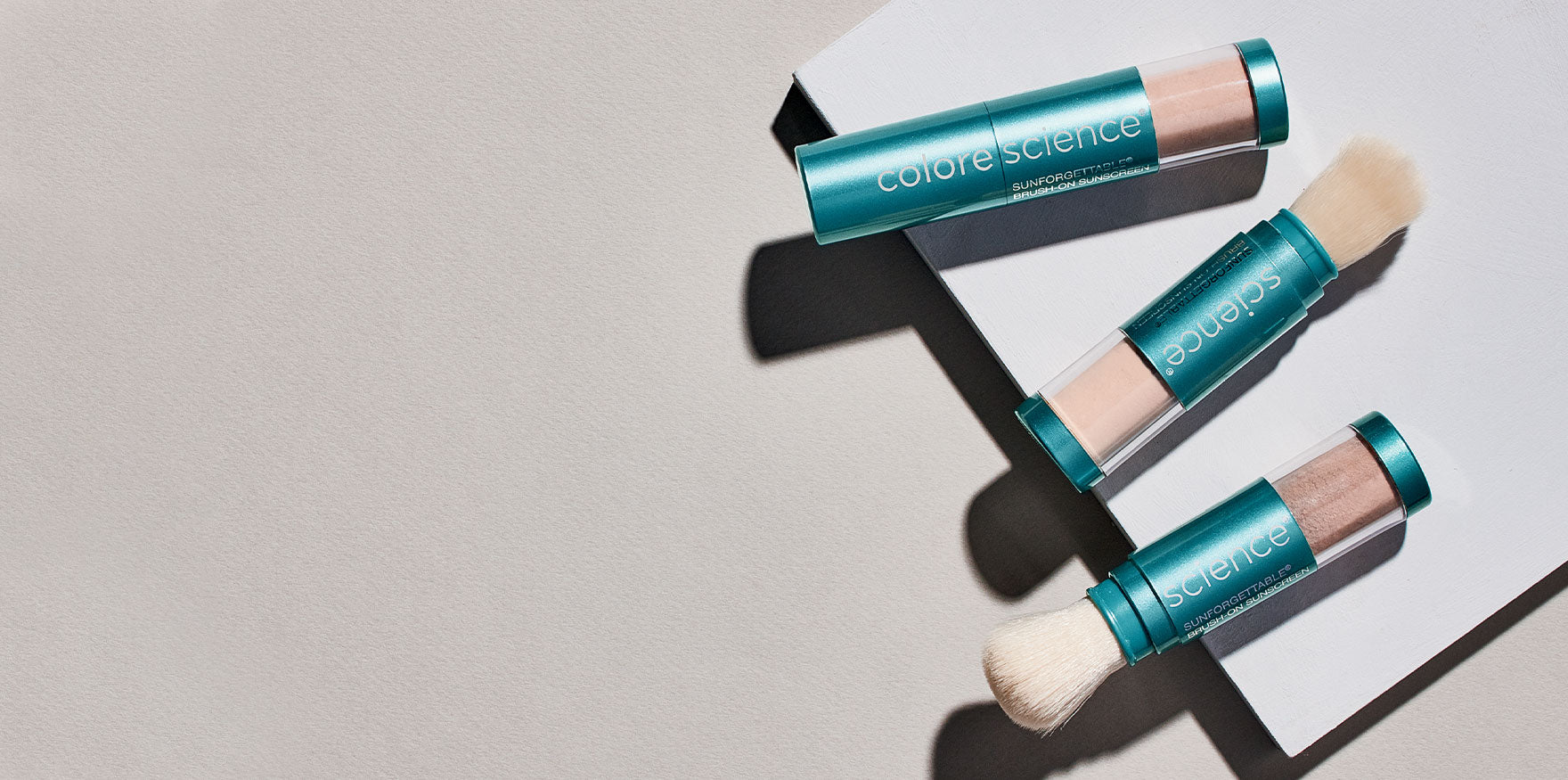
The Sunforgettable Total Protection Face Shield Flex SPF 50 features encapsulated pigments that adjust to your natural skin tone, making it easier to achieve that seamless finish. The formula blooms in your fingertips, allowing you to control the color development as you blend.
How to Apply Foundation Without It Looking Cakey?
Cakey foundation happens when too much product sits on dry skin or when you skip proper prep. The solution starts before you even touch your foundation bottle.
Exfoliate your skin the night before wearing foundation to remove any flaky patches that could catch product. In the morning, apply your moisturizer to damp skin, this helps lock in hydration and creates a smooth surface for makeup.
Wait 2-3 minutes after moisturizing before applying foundation. This allows your skincare to fully absorb instead of mixing with your makeup, which can cause pilling or separation throughout the day.
When learning how to apply liquid foundation, use a damp makeup sponge for your final blending step. The moisture in the sponge picks up any excess product while seamlessly melding everything into your skin. Bounce the sponge over your face rather than dragging it, which maintains coverage while perfecting the finish.
The Tint du Soleil Whipped Mineral Foundation SPF 30 offers light coverage with a whipped texture that resists caking. The formula contains ceramides and peptides that provide comfortable hydration while you wear it.
How to Build Foundation Makeup for Natural Coverage?
How to build foundation makeup naturally means working in thin, translucent layers rather than applying one heavy coat. This technique gives you control over coverage while maintaining that skin-like appearance.
Start with a pea-sized amount for your entire face. Apply this first layer, focusing on areas where you experience redness, uneven tone, or blemishes, usually in the center of your face. Wait 30 seconds to let this layer settle into your skin.
Assess your coverage in natural light before adding more product. You might find that one layer provides enough evening for a natural look. If certain spots still need attention, add a small amount of foundation only to those specific areas.
Use your ring finger for application around delicate areas like your under-eyes and the corners of your nose. This finger naturally applies the gentlest pressure, preventing you from overworking the product in these sensitive zones.
Different textures work differently for building coverage. Understanding which type of foundation you should choose: liquid, pressed, or loose helps you select formulas that layer beautifully without looking heavy.
What Makes Foundation Look Smooth and Blend Seamlessly?
Blending technique transforms foundation from obvious makeup into natural-looking coverage. The way you move product across your skin matters just as much as the formula you choose.
Blend your foundation down your jawline and slightly onto your neck. This creates a seamless transition that looks natural in any lighting. Avoid blending onto your hairline, though, as that can create buildup that looks obvious and feels uncomfortable.
Use different application tools for different areas. Your fingers work beautifully for the center of your face, where you want the most coverage. A damp sponge excels at blending the edges where you want a sheerer application. A fluffy brush helps diffuse product along your hairline and jaw for invisible transitions.
Skip foundation on the bridge of your nose if you have freckles you love; this immediately makes your makeup look more authentic. Allowing some of your natural skin to show through prevents that flat, one-dimensional appearance that screams "makeup."
The Natural Finish Pressed Foundation SPF 20 provides buildable coverage that feels weightless while protecting your skin. The hydrating formula won't settle into fine lines or emphasize texture, making it easier to achieve smooth blending.
Foundation Application Tips That Make a Difference
How to get a flawless foundation consistently comes down to matching your formula to your needs. Understanding how to choose your foundation based on coverage level and finish preferences sets you up for success.
Color matching plays a crucial role in natural-looking results. Test foundation shades on your jawline in natural daylight, not on your hand or wrist. Your face and hands often have different tones, so testing where you'll actually wear the product gives you accurate results.
Set your foundation selectively rather than powdering your entire face. Focus on areas that tend to get shiny, typically your T-zone, while leaving the rest of your face with its natural finish. This maintains the skin-like appearance you worked to create.
Warm your foundation between your fingertips before application. This simple step makes the product more pliable and easier to blend seamlessly into your complexion. Work in sections, complete one area, like your right cheek, before moving to the next.
The complete foundation collection offers various formulas to match your application preferences and coverage needs, all featuring mineral-based ingredients and sun protection. The types of foundation makeup available today, from liquid to pressed to whipped, each offer unique benefits for creating that second-skin finish you're after.
Remember that makeup foundation tips that work for one person might need adjusting for your unique features. Pay attention to how your skin responds to different techniques and adapt accordingly.
Frequently Asked Questions
How much foundation should you use for a natural look?
Start with a pea-sized amount for your entire face. Most people use too much foundation, which creates that heavy, obvious makeup appearance. Build coverage gradually only where you need it.
Should you apply foundation with fingers or a sponge?
Both work beautifully for natural application. Use your fingers for initial placement and coverage, then finish with a damp sponge to blend edges and remove excess product for that second-skin finish.
How do you keep foundation from looking cakey on dry skin?
Prep with a hydrating moisturizer on damp skin, wait a few minutes before applying foundation, and use a pressing motion instead of rubbing. Choose formulas with hydrating ingredients that won't emphasize dry patches.
What's the best way to apply cream foundation naturally?
How do you apply cream foundation for natural results? Warm the product between your fingertips, apply to the center of your face first, and blend outward using gentle pressing motions. Use less product than you think you need.
How can beginners make a foundation look professional?
Foundation application tips for beginners focus on placement over perfection. Apply product only where needed, blend thoroughly at all edges, and remember that less coverage applied well always looks better than heavy coverage applied poorly.