

You have probably heard the term "Ozempic face" on social media or in conversation. It refers to facial changes that some people notice during significant weight loss, like flatter cheeks, a more hollow look around the eyes, or fine lines that seem more visible than before. These shifts are not unique to any one medication. They can happen with any kind of rapid weight loss.
If you are curious about what is actually going on and how to support your skin through it, you are in the right place. Let's break down the basics and talk through some gentle, smart steps that can help.
What is Ozempic face?
Ozempic face is the name people use for the facial changes that come with fast weight loss. According to Cleveland Clinic, the look often includes sunken cheeks, new wrinkles, and loose skin on the face and neck. You might also hear the term glp-1 face, since these changes tie back to a whole group of weight loss medications, not just one brand.
Here is the key part. The medicine itself is not reshaping your face. The rapid weight loss is. When the scale drops quickly, your face can lose its soft, filled-in look and start to seem older than you feel.
Why does your face change after GLP-1 medication?
Your face has small pads of fat that keep it looking full and smooth. Think of that fat like scaffolding under your skin. When you lose weight quickly on a GLP-1 medication, some of that scaffolding shrinks. Picture a tablecloth stretched over a table. If the table suddenly gets smaller, the cloth starts to wrinkle and sag. The same thing can happen to facial skin when the fat beneath it drops fast. Cheeks, temples, and the area around your eyes tend to show it first.
There may be more going on than just volume loss. Fat tissue holds special cells called adipose-derived stem cells. These cells help with repair and can turn into fibroblasts, the cells your skin counts on to make collagen. As fat stores go down, that built-in repair system may slow down too, which could mean less collagen production over time. So the changes you notice are not only about losing fullness. They can also involve shifts in how your skin supports and renews itself.
Facial specialists have noticed more people asking about the look too. A survey from the American Academy of Facial Plastic and Reconstructive Surgery found many surgeons seeing patients concerned about facial deflation after these medications. A growing body of research on GLP-1 medications and the face keeps looking at how common the effect really is, along with newer studies on semaglutide and skin changes.
How weight loss leads to collagen loss and sagging
Fat is only part of the story. Your skin also leans on two proteins to stay firm and springy. Collagen gives skin structure and support, while elastin helps skin bounce back. Cleveland Clinic notes that collagen makes up a large share of your body's protein and keeps skin looking smooth.
Fast weight loss can lower both proteins, which leads to collagen loss after weight loss and less spring in the skin. Add the natural dip in collagen that comes with age, and see facial aging that seems to move faster than expected. The change most people notice first is face sagging after weight loss, especially around the cheeks and jaw. Sun exposure speeds up collagen breakdown even more, which is why daily protection carries so much weight.
What Ozempic face before and after reveals
When you look at Ozempic face before and after photos, the difference can seem dramatic. The face looks fuller in one image and more hollow in the next. Sources like Northwell Health point out that these shifts are a normal response to quick fat loss, not a sign that something is wrong.
Here is the reassuring truth. The change is harmless to your health, and Cleveland Clinic makes the same point. Still, wanting to feel like yourself again is completely valid, and there is plenty you can do about it. Knowing what is happening under the surface also takes away a lot of the worry, so you can focus on the steps that make a real difference.
How to prevent Ozempic face while losing weight
The smartest plan starts before your face changes much. If you are wondering how to prevent facial changes due to rapid weight loss, discuss your concerns with your doctor who is managing your weight loss journey. Cleveland Clinic suggests aiming for gradual weight loss, eating enough protein, and staying hydrated so your skin holds more of its bounce.
Your daily skincare habits count just as much, and they are easy to build into a morning you already have. A few gentle moves can carry you a long way:
- Daily broad-spectrum sun protection helps, since sun exposure breaks down collagen.
- Peptides and antioxidants can support a firmer, smoother look.
- Steady hydration helps skin hold its natural bounce. Protein intake is also key nutritional support matters too.
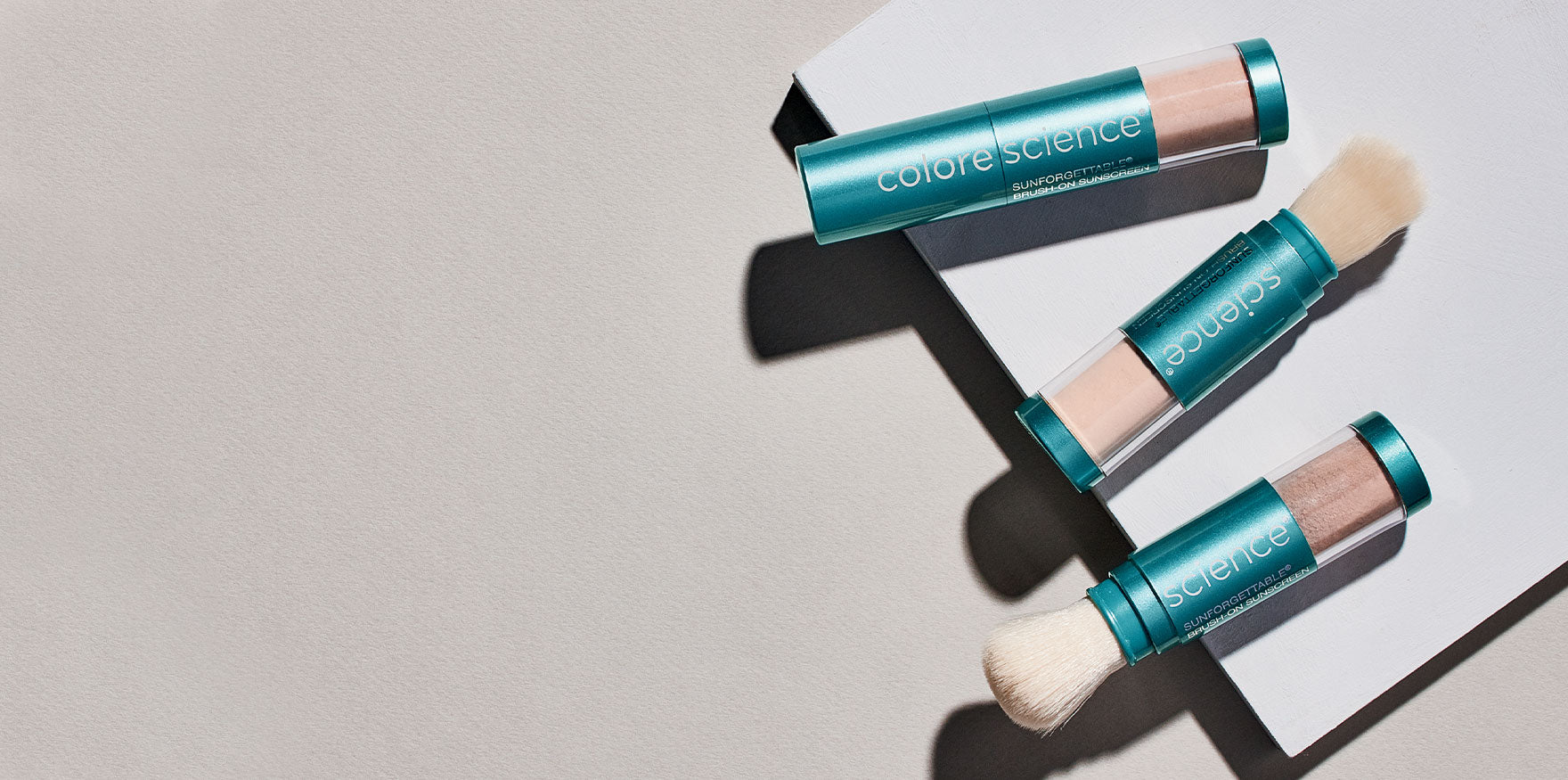
For daily defense, skin health professionals trust and recommend Sunforgettable® Total Protection® Face Shield Flex SPF 50 for 5-Point Protection against UV, blue light, infrared radiation, and pollution, plus providing free radical defense. You may also want to browse the wider sun protection range to find a formula that fits your skincare routines.
When a simplified routine is the goal, Pep Up® Collagen Boost Face & Neck Serum offers what skin health professionals consider a regimen in a bottle. Formulated with 10 peptides plus antioxidants and deep hydration, it delivers multi-benefit targeted treatment in one step.
For daily protection, consider pairing Pep Up with a Total Protection mineral sunscreen to help guard against the environmental aggressors that speed up visible aging, including UVA/UVB, blue light from screens, pollution, and infrared radiation. Face Shield Flex SPF 50 is a lightweight option most skin health professionals trust and recommend for daily 5-point protection. Its tinted formula with iron oxides helps block blue light while adapting to a wide range of skin tones and skin types.
What do those 10 peptides actually do
Pep Up® features the exclusive Decaplex-10® Peptide Complex, a blend of 10 potent peptides that each play a different role in supporting healthier, younger-looking skin. Here's what's inside and how each one helps.
- Palmitoyl Tripeptide-1 — Sends signals to skin cells that support new collagen production, helping smooth the look of fine lines and wrinkles over time
- Palmitoyl Tripeptide-5 — Supports skin firmness and elasticity by encouraging the skin's own collagen and elastin renewal
- Palmitoyl Tetrapeptide-7 — Helps calm visible signs of irritation and works with other peptides to support a smoother, more even-looking complexion
- Acetyl Tetrapeptide-9 — Mimics a natural skin protein called lumican, which helps organize collagen fibers for improved skin density and firmness
- Copper Tripeptide-1 — Known for its antioxidant activity and role in supporting the skin's natural repair process, including collagen and elastin production
- Hexapeptide-2 — Supports a more even skin tone by helping to regulate uneven pigmentation for a brighter, more balanced look
- Dipeptide Diaminobutyroyl Benzylamide Diacetate — Helps relax the look of expression lines, particularly around the forehead and eyes, for a softer appearance
- sh-Oligopeptide-1 (EGF) — A growth factor peptide that supports skin cell renewal, helping to improve texture and overall radiance
- Tripeptide-1 — Works alongside other peptides to support collagen synthesis and improve the look of skin tone and texture
- Tripeptide-10 Citrulline — Helps organize collagen fibers into a more uniform structure, improving skin suppleness and resilience
How to restore facial volume after weight loss
Maybe your face has already shifted, and you want it back. Good news, real options exist. When people ask how to restore facial volume after weight loss, the answer usually blends professional treatments with steady care at home.
On the clinical side, dermatologists and facial specialists may suggest fillers, biostimulators, skin tightening, or other in-office treatment choices to rebuild lost fullness. A board-certified provider can walk you through what suits your face and your goals, and ongoing research on facial volume loss keeps refining these approaches.
At home, steady support helps your skin look its best between visits. The Colorescience skin firmness collection offers clinically tested products made to promote healthier, younger-looking skin over time. If hollow or tired under-eyes are a concern, our Total Eye® products have been clinically studied to be safe and effective for addressing common eye concerns and they're designed to minimize the appearance of dark circles, puffiness, fine lines, and wrinkles while helping restore the delicate eye area.
You cannot rush skin, but you can support it. Pair a gentle daily routine with a collagen serum and SPF protection, and your reflection can feel a lot more like you again.
Ozempic face FAQs
Is Ozempic face permanent?
Facial changes from weight loss do not fade on their own, but they are not set in stone. Skincare, professional treatments, and steady habits can all help bring back a fuller, fresher look over time.
Does everyone on GLP-1 medications get Ozempic face?
No. The faster you lose weight, the more likely the look appears. Older adults may notice it more, since they carry less facial fat to begin with.
Can skincare really help with Ozempic facial aging?
Skincare will not replace lost volume, yet daily sun protection, peptides, and antioxidant hydration can support collagen and help skin look firmer and smoother as you go.
What is the best way to prevent Ozempic face?
A slow, steady pace of weight loss paired with protein, hydration, and daily broad-spectrum protection gives your skin the best chance to keep its bounce.
Do I need fillers to fix face sagging after weight loss?
Not always. Some people love the results of fillers or skin tightening, while others prefer to focus on supportive skincare. A board-certified provider can help you choose the right path.