
Here's the short answer, “No, you don't always need a primer under tinted sunscreen.” Many tinted sunscreens are already smooth, blur, and even out your skin on their own. But there are days when a primer earns its spot, and knowing the difference can be the difference between a look that enhance your natural beauty and one that doesn’t
So let's walk through when a primer helps, when you can skip it, and the right order to apply everything. No confusing rules. Just simple guidance you can use tomorrow morning.
What Does a Primer With SPF Actually Do?
A primer creates a smooth base for whatever comes next. Think of it as the step that helps makeup glide on evenly, blurs the look of pores, and helps everything stay put through a long day. If you'd like a deeper look at the basics, this guide on what a primer is and how it works breaks it down nicely.
A primer with SPF takes that same idea one step further. A face primer with SPF preps your skin while adding a layer of mineral sun protection at the same time. That's the kind of multitasking made for busy mornings. A mineral SPF primer, like the ones in the Colorescience primer collection, pairs skin-perfecting ingredients with all-mineral SPF 20, so your base step is also a protective step.
One helpful note here. An SPF primer is a lovely bonus layer, but it works best as a supporting player. Your dedicated sunscreen still deserves the starring role.
Sunscreen or Primer First: What's the Right Order?
This is the question that trips most people up, so let's settle it:when you're using a separate sunscreen and a separate primer, sunscreen goes on first - Always after your skincare, always before your makeup.
Why? Sunscreen needs direct, even contact with your skin to protect it well. Applying primer before sunscreen can get in the way of that. So the simple rule to remember is skincare, then sunscreen, then primer, then makeup.
If you've ever wondered whether to apply sunscreen before or after makeup, the same logic applies. Protection comes first, beauty layers come after.
Here's the full order at a glance:
- Cleanser
- Any serums or treatments
- Moisturizer
- Sunscreen (or tinted sunscreen)
- Primer, if you're using one
- Makeup
So when someone asks "primer or moisturizer or sunscreen first," you now have the answer in one breath. Moisturizer, then sunscreen, then primer.
Can I Wear Primer Over Sunscreen?
Yes, you absolutely can. In fact, that's exactly where a primer belongs in your routine. Once your sunscreen has settled in for a minute or two, a primer can go right on top to smooth things over before foundation or concealer.
This is also where a makeup primer with SPF gets interesting. Since most of us apply less sunscreen than we should, layering an SPF primer over your regular sunscreen adds a little extra mineral coverage to your morning routine. Consider it a friendly backup, not a replacement.
Avoid putting primer before sunscreen - wearing primer before sunscreen puts a barrier between your skin and your protection, limiting the full protection that your SPF can offer you.
When Does Tinted Sunscreen Replace Your Primer?
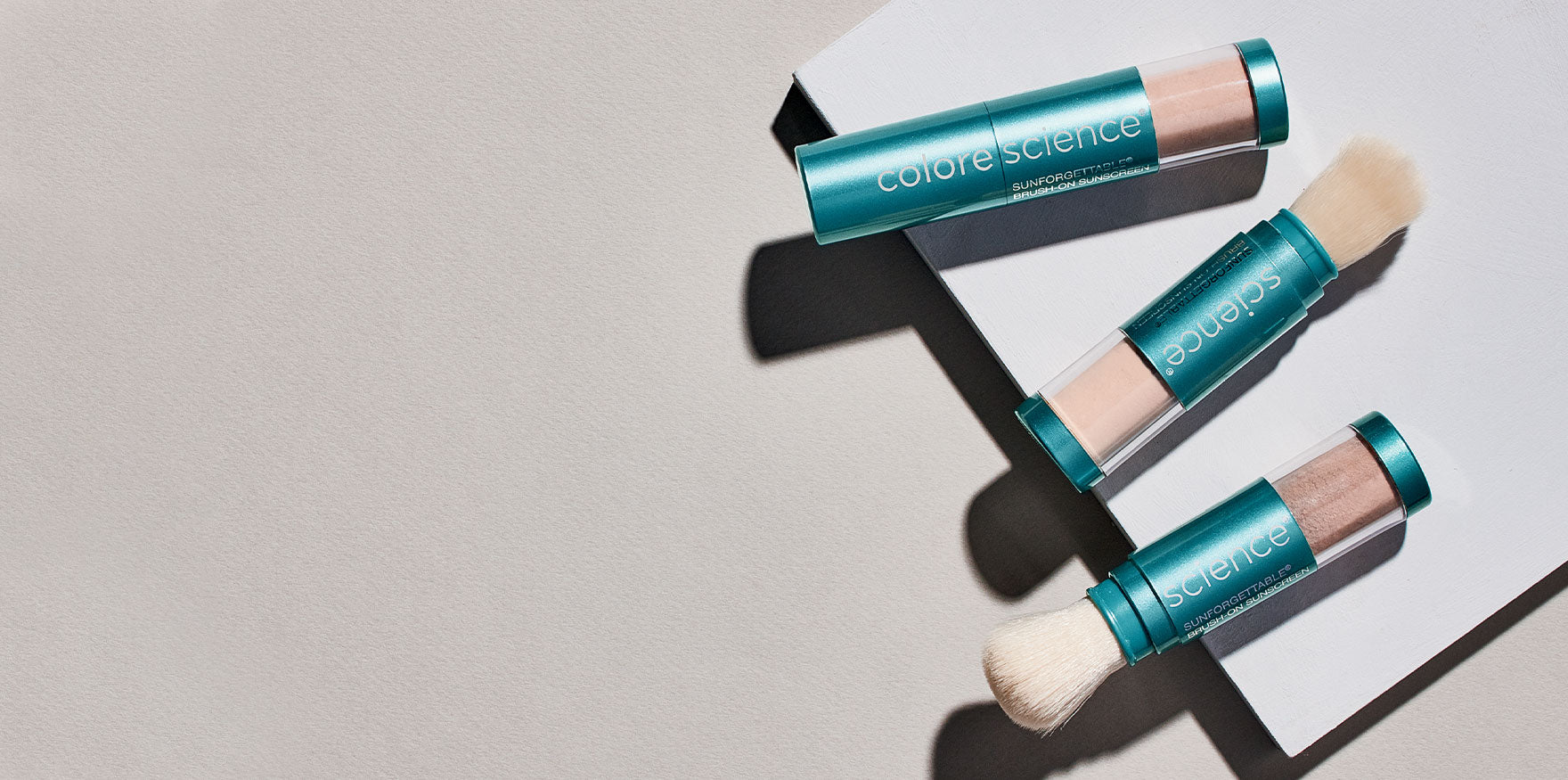
A tinted SPF primer or tinted sunscreen gives you light, skin-evening coverage, a smooth finish, and broad-spectrum protection all at once. The Colorescience Sunforgettable Total Protection Sunforgettable ® Total Protection ® Collection was built around this exact idea, with formulas that protect against UVA/UVB rays, blue light, pollution, and infrared radiation while wearing beautifully on their own.
And here's a benefit worth knowing if you spend your days in front of screens. A tinted sunscreen with iron oxides helps to block blue light, something a clear sunscreen can't offer. Those same iron oxides provide the natural-looking tint, so the color is doing real work for your skin.
On low-makeup days, you might simply cleanse, moisturize, and apply your tinted sunscreen, then head out the door. If that effortless look appeals to you, here's how to work a tinted moisturizer into an everyday routine for a similar one-and-done feel.
So when do you still want a primer? Consider one when:
- You're wearing full foundation and want it to last longer
- Your skin has texture or visible pores you'd like to blur a bit more
- You have a long event day and want extra staying power
- You'd like targeted benefits, like calming redness or adding glow, under your coverage
Otherwise, your tinted sunscreen can happily fly solo.
How Do You Pick the Best Primer With Sunscreen?
Not every primer sunscreen combo is created equal, so a few simple things are worth checking before you buy.
First, look at the protection itself. The best primer with sunscreen offers mineral, broad-spectrum coverage, since minerals like zinc oxide sit comfortably on most skin types, including sensitive skin. Second, look for skincare benefits in the formula like deep hydration and anti-oxidantsthat support a smoother look over time. A primer should treat your skin well, not just sit on top of it.
Third, match the formula to your concern. The Colorescience face primer collection lets you choose based on what your skin needs most, whether that's brightening, calming, or mattifying, each with all-mineral SPF 20 built in. That's the kind of thoughtful pairing that makes the best face primer with sunscreen feel less like an extra step and more like skincare with perks.
One gentle reminder, though. Even the best face primer with SPF works as a complement to your daily sunscreen, not a substitute for it. Most of us don't apply primer generously enough to reach its full labeled protection.
So What's the Honest Bottom Line?
You don't need a primer over tinted sunscreen for everyday wear. A well-formulated tinted SPF primer or tinted sunscreen smooths, evens, and protects in one elegant step. Add a primer when you want more grip for foundation, more blurring, or more wear time. And whenever you use separate products, the order stays the same. Sunscreen first, primer second, makeup last.
Frequently Asked Questions
Does tinted sunscreen work as a primer?
Often, yes. A tinted sunscreen smooths and evens skin while protecting it, so light makeup can go right on top. For heavier foundation or extra wear time, you may still enjoy a primer underneath.
Should I apply sunscreen before or after primer?
Sunscreen first, every time. Sunscreen needs direct contact with clean, moisturized skin to protect well. Primer goes on after your SPF has settled, right before makeup.
Is an SPF primer enough sun protection on its own?
We'd suggest treating it as a bonus rather than your main protection. Most people apply primer too thinly to get full coverage, so pairing it with a dedicated sunscreen is the more effective route.
Can I skip moisturizer if my primer has SPF?
Your skin will likely thank you for keeping moisturizer in the lineup. Hydrated skin helps every layer above it, including primer and makeup, apply more smoothly and wear more evenly.