

What Is Niacinamide?

Niacinamide is a water-soluble form of vitamin B3. It’s found naturally in foods like fish, eggs, milk, and meat. But when it is applied to your skin through serums, moisturizers, or sunscreens, it works at the surface level to strengthen, soothe, and brighten.
Unlike niacin (its cousin), niacinamide does not cause flushing or redness. That gentle nature makes it a go-to for skincare routines, especially for those with reactive or sensitive skin. Once absorbed, it converts into NAD+, a coenzyme that fuels barrier repair, ceramide production, and moisture retention.
Is Niacinamide Good for Skin?
Absolutely. When you ask, "Is niacinamide good for skin?", the scientific evidence provides a resounding yes. Clinical studies consistently demonstrate that niacinamide delivers meaningful improvements across multiple skin concerns:
-
Proven Effectiveness: Research shows that topical niacinamide improves skin barrier function within 2-4 weeks, reduces fine lines after 8-12 weeks, and helps even skin tone with consistent use.
-
Universal Compatibility: The niacinamide skin benefits work across all skin types, whether your skin is dry, oily, combination, or sensitive. This makes it one of the few ingredients truly suitable for everyone.
-
Gentle Yet Powerful: Unlike some active ingredients that can irritate, niacinamide strengthens your skin while remaining exceptionally well-tolerated. Dermatologists frequently recommend it precisely because it delivers results without compromise.
-
Long-Term Safety: With decades of use in both supplements and skincare, niacinamide has an established safety profile that makes it appropriate for ongoing use.
The evidence supporting niacinamide's benefits for skin health comes from numerous clinical trials and real-world applications, making it one of the most reliable ingredients in modern skincare.
Niacinamide Benefits for Your Skin
Niacinamide is often included in skincare products due to its ability to help improve the condition and appearance of skin. But how does it benefit your skin exactly? Well, for one thing, niacinamide can reduce your risk of skin cancer, specifically melanoma, but there are also a variety of skincare benefits to using products containing vitamin B3.
The benefits of niacinamide for skin are comprehensive and well-documented. Here's what this ingredient can do for your complexion:
1. Builds Protein for Healthier, Plumper Skin
Your skin relies on structural proteins like keratin to maintain firmness and resilience. Niacinamide supports protein synthesis, helping your skin stay supple and maintain its youthful bounce. This process contributes to skin that not only looks healthier but genuinely is healthier at the cellular level.
2. Strengthens Skin by Rebuilding Cells and Retaining Elasticity
Cell turnover naturally slows as skin ages or experiences stress. Among the key benefits of niacinamide is its ability to accelerate this renewal process, supporting the development of fresh, healthy skin cells while maintaining the elasticity that keeps your complexion smooth and firm.
3. Fortifies Your Lipid Barrier Against Sensitivities
Think of your skin barrier as a protective wall, niacinamide strengthens this defense by boosting ceramide production. This creates a more resilient barrier against environmental aggressors and reduces your skin's reactivity to potential irritants.
4. Seals in Moisture to Prevent Dryness and Dehydration
Dry, uncomfortable skin often results from a compromised barrier. By reinforcing your skin's lipid structure, niacinamide helps prevent transepidermal water loss, keeping your skin hydrated, comfortable, and plump throughout the day.
5. Regulates Oil Production to Prevent Clogged Pores
Excess sebum can lead to enlarged pores and breakouts. Research demonstrates that niacinamide helps balance oil production, creating a more refined complexion without stripping your skin of necessary moisture, a delicate balance that benefits both oily and combination skin types.
6. Improves Uneven Skin Tone and Reduces Dark Spots
One of the most celebrated niacinamide uses for skin involves addressing hyperpigmentation. This ingredient reduces melanin transfer to skin cells, helping fade existing discoloration while preventing new dark spots from forming. The result is a more even, naturally radiant complexion.
7. Minimizes Pore Appearance for Refined Texture
By controlling oil production and improving skin elasticity, niacinamide can visibly reduce the appearance of enlarged pores. This creates a smoother, more refined skin texture that looks naturally polished and feels silky to the touch.
8. Softens Fine Lines and Wrinkles
Supporting collagen production and improving skin elasticity, niacinamide helps diminish the appearance of fine lines and wrinkles. Regular use contributes to a more youthful-looking complexion with improved skin quality over time.
9. Reduces Inflammation and Redness
For those dealing with rosacea, acne, or general sensitivity, niacinamide's anti-inflammatory properties help calm redness and irritation. This promotes a more balanced, comfortable complexion, one of the reasons it's so valued in formulations for reactive skin.
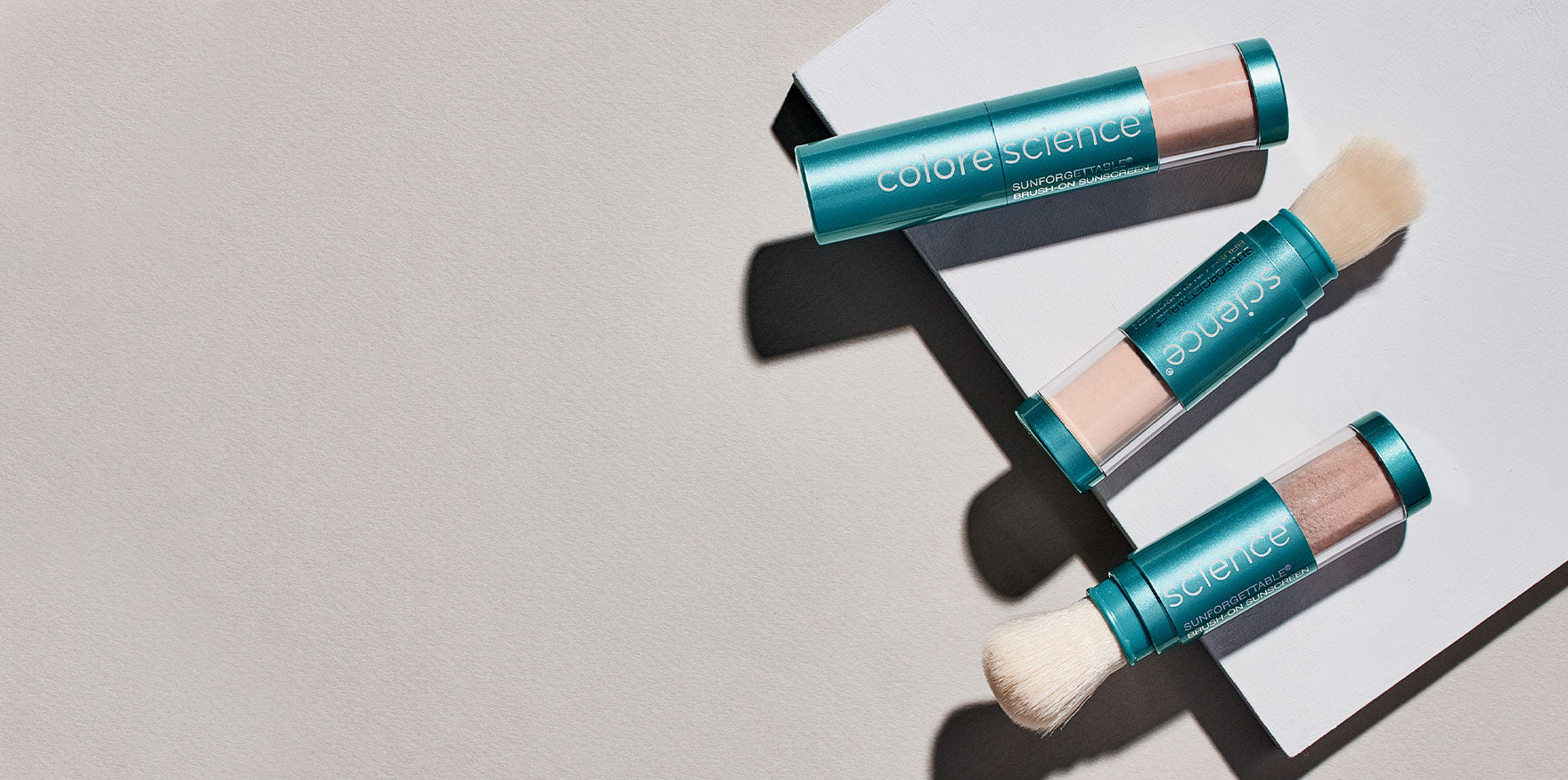
Whether you have clear skin or you struggle with common concerns, niacinamide products can improve your skincare routine so you can achieve a naturally radiant glow. You can find it in many different types of skincare products depending on your goals and preferences. At Colorescience, we include niacinamide in our Sunforgettable® Total Protection™ Face Shield SPF 50—which is available in three different shades—for an extra boost in defense against UV damage.
Niacinamide calms inflammation, and when combined with the best spf for sensitive skin no breakouts, it creates a soothing, protective routine.
Niacinamide is also a key component of our BioSolace™ complex, a proprietary blend of specialty ingredients used in our All Calm® Clinical Redness Corrector. This formula makes it easy to apply niacinamide to the face and skin, and access all the skin calming benefits that vitamin B3 has to offer.
What Percentage of Niacinamide Is Effective
Most clinical research showing visible results uses concentrations between 2% and 5%. This range delivers noticeable improvements in tone, texture, and barrier strength without irritation.
Higher percentages are not necessarily more effective. Concentrations above 5% may increase the risk of sensitivity for reactive skin. Starting at the lower end and building tolerance is a smart approach.

Niacinamide for Acne & Skin Care
Niacinamide uses for the face extend particularly well to acne-prone and problematic skin. This ingredient addresses breakouts through multiple complementary pathways:
-
Sebum Regulation: By balancing oil production without over-drying, niacinamide helps prevent the excess sebum that can clog pores and trigger breakouts, addressing acne at its source.
-
Anti-Inflammatory Action: Niacinamide calms the inflammatory response associated with acne, reducing redness and swelling around blemishes. This makes existing breakouts less noticeable while promoting faster healing.
-
Barrier Support: Healthy barrier function is crucial for acne-prone skin. When your barrier is compromised, your skin becomes more vulnerable to bacterial invasion and irritation. Niacinamide fortifies this defense system, making your skin more resilient.
-
Post-Acne Mark Reduction: Perhaps one of the most appreciated niacinamide uses for skin is its ability to fade post-inflammatory hyperpigmentation, those stubborn dark marks that linger long after breakouts clear.
-
Gentle Effectiveness: For those with sensitive skin alongside acne concerns, niacinamide offers effective results without the dryness, peeling, or irritation that can accompany some traditional acne treatments.
The niacinamide benefits skin experiencing acne by creating an environment less conducive to breakouts while simultaneously addressing the appearance concerns that often accompany blemish-prone complexions.
Formulas that pair calming ingredients like niacinamide with non-comedogenic coverage often qualify as the best makeup for acne prone skin.
How to Use Niacinamide in Your Skincare Routine
Incorporating the benefits of niacinamide into your daily routine is straightforward:
-
Morning Application: Apply niacinamide serum or moisturizer after cleansing and toning, before sunscreen. This helps protect your skin throughout the day while supporting barrier function and oil balance.
-
Evening Application: Layer niacinamide products into your nighttime routine to support overnight skin repair and regeneration. This is when your skin does its most intensive renewal work.
-
Optimal Concentration: Most effective formulations contain 2-5% niacinamide. Higher concentrations aren't necessarily more beneficial and may cause sensitivity in some individuals.
-
Build Gradually: If you're new to niacinamide, start with once-daily application and gradually increase to twice daily as your skin adjusts and you confirm compatibility.
-
Layer Thoughtfully: Apply niacinamide products after water-based serums but before heavier creams or oils for optimal absorption. The general rule is thinnest to thickest consistency.
The niacinamide for skin benefits become more apparent with regular use. While some improvements like enhanced hydration may appear within days, changes in texture, tone, and fine lines typically require 4-12 weeks of consistent application.
Niacinamide in Different Product Formats
| Format | Niacinamide's Role | Best For | Frequency |
|---|---|---|---|
| Serum | Concentrated, targeted delivery | Redness, uneven tone, enlarged pore appearance | Daily, AM or PM |
| Moisturizer | Lower-concentration, barrier-support delivery | Sensitive or dry skin needing gentle daily support | Daily, AM and PM |
| Sunscreen (e.g. Face Shield Flex SPF 50) | Combined with SPF for barrier support plus UV protection | Convenience — one step covers both needs | Daily, AM, reapplied per SPF guidance |

Using Niacinamide Safely
As with any vitamin or supplement, it’s important to understand how to use niacinamide safely and effectively. First things first, it’s important to be aware that the daily recommended intake of vitamin B3 is 14mg per day for adult women who are not pregnant.
Niacinamide is often recommended for uneven skin tone because it helps fade discoloration while supporting the skin barrier.

Are Niacinamide, Niacin, & Vitamin B the Same?
Kind of, but not exactly. Niacinamide is another type of vitamin B3 (niacin); however, vitamin B3 is commonly used interchangeably for both niacinamide and niacin. Niacin can be naturally found in different types of foods such as meat, milk, and eggs. It can also be produced by the body via an amino acid known as tryptophan, which is introduced to the body by consuming proteins.
Niacin is important to your health, but in a different way from niacinamide. Primarily, niacin helps turn your food into energy and regulate your digestive system. Other notable health benefits of niacin include lowering your bad cholesterol, increasing good cholesterol, and reducing the risk of heart disease.
Niacinamide is most notably known for it’s skin-enhancing capabilities. That said, niacinamide can also help regulate phosphate levels for those with kidney issues and can help slow the progression of type 1 diabetes.
Can I Use Niacinamide Every Day?
Yes, niacinamide can be used daily. However, you want to keep in mind that you should not exceed the daily recommended vitamin B3 intake.
How Long Does Niacinamide Take to Work?
Like most facets of skincare, you can’t expect drastic results overnight. Typically, it takes several weeks to see a significant improvement, but you may notice signs of improvement in as little as five days. Generally speaking, it takes about one month to see the full effects of niacinamide when applied daily.
It’s important to note that everyone’s skin is different. Continued use of key skincare ingredients, including niacinamide, is crucial to achieving real improvement in your complexion.

Can You Combine Niacinamide with Other Ingredients?
Yes. Niacinamide plays well with most actives.
Niacinamide + Vitamin C: These two work effectively together in most modern formulations. If your skin is sensitive, you might use vitamin C in the morning and niacinamide at night.
Niacinamide + Retinol: Niacinamide's soothing properties help offset retinol's potential for irritation, improving texture and tone together.
Niacinamide + Hyaluronic Acid: Hyaluronic acid draws moisture in while niacinamide helps seal it there. The result is plump, hydrated skin.
Niacinamide + Zinc Oxide: Zinc provides sun protection, while niacinamide strengthens your barrier. You will find this pairing in many mineral sunscreen formulations.
When introducing any new product, start slowly and observe how your skin responds. While the niacinamide benefits skin of virtually all types, everyone's complexion is unique.
Choosing Your Niacinamide Products
With numerous options available, selecting products that deliver the niacinamide for skin benefits you're seeking requires thoughtful consideration:
Concentration Matters: Look for products containing 2-5% niacinamide. This range provides optimal benefits for most skin types. Higher concentrations aren't necessarily more effective and may increase the risk.
Consider Your Skin Type:
-
Dry skin: Rich moisturizers with niacinamide provide hydration alongside other benefits
-
Oily skin: Lightweight serums or gel formulations won't feel heavy while controlling excess oil
-
Combination skin: Flexible textures like our Face Shield Flex adapt to varying needs across your face
-
Sensitive skin: Look for products combining niacinamide with other calming ingredients
Complementary Ingredients: Niacinamide works beautifully alongside other beneficial ingredients. Consider what additional concerns you'd like to address:
-
For hydration: Hyaluronic acid + niacinamide
-
For redness: Soothing botanicals + niacinamide
-
For sun protection: Mineral SPF + niacinamide
-
For aging: Peptides or retinol + niacinamide
Multi-Tasking Efficiency: Products that combine niacinamide with sun protection, like our Sunforgettable® collection, offer exceptional value by addressing multiple needs in fewer steps, perfect for busy lifestyles.
Patch Testing: Before applying any new product to your entire face, perform a patch test on a small area (like your inner wrist or behind your ear). Wait 24 hours to ensure no adverse reaction occurs.
Harness the Power of Niacinamide to Improve Your Complexion
Now that you have a better understanding of what niacinamide is and how vitamin B3 can improve your skin, you’re ready to see what a difference it can make in your complexion. Take your skincare routine to the next level with our line of healthy cosmetics that can help enhance your appearance with nourishing ingredients.
At Colorescience, we’re dedicated to promoting and protecting skin health above using safe products with all-natural ingredients that are gentle, yet powerfully effective. Explore our entire collection of organic skincare to achieve a radiant complexion that makes you feel confident anytime you look in the mirror.
*Sunblock is not a term approved by the FDA. Colorescience refers to our products as sun protection.
Niacinamide Frequently Asked Questions
Can niacinamide cause breakouts?
Niacinamide does not cause the purging linked to actives like retinol. If you notice breakouts after starting it, the concentration may be too high or another product may be the cause. Try introducing it 2 to 3 times a week before moving to daily use.
What percentage of niacinamide is effective?
Most studies showing visible improvement use concentrations between 2% and 5%. Higher percentages do not always mean better results and can increase the risk of sensitivity. Starting at the lower end is a good approach, especially for reactive skin.
Does niacinamide replace sunscreen?
No. Niacinamide supports the skin barrier and can help with redness and tone, but it provides no measurable UV protection on its own. You should always pair it with a broad-spectrum SPF 30 or higher during the day.
Are niacinamide, niacin, and vitamin B3 the same thing?
They are related but not identical. Niacinamide and niacin are both forms of vitamin B3. The key difference is that niacin can cause flushing, while niacinamide does not. For skincare, niacinamide is the preferred form.
How long does niacinamide take to work?
You may notice hydration improvements within the first week. For changes in tone, texture, and fine lines, plan on 4 to 12 weeks of consistent daily use. Everyone's skin responds at its own pace, so give it time.