
Have you been moisturizing your face faithfully every morning,yet your skin feels tight by lunchtime? That’s not your imagination - there's a quiet process happening on your skin every single day, and most of us have never heard its name. It's called transepidermal water loss (TEWL for short), and once you know what it is, your whole routine starts to make more sense.
Let's walk through what TEWL means, why it happens, and the simple ways you can help your skin hold onto the hydration it already has.
What Is Transepidermal Water Loss, Exactly?
Transepidermal water loss is the natural evaporation of water from inside your body, up through the layers of your skin, and out into the air. Every person experiences it - it's a normal part of how skin works.
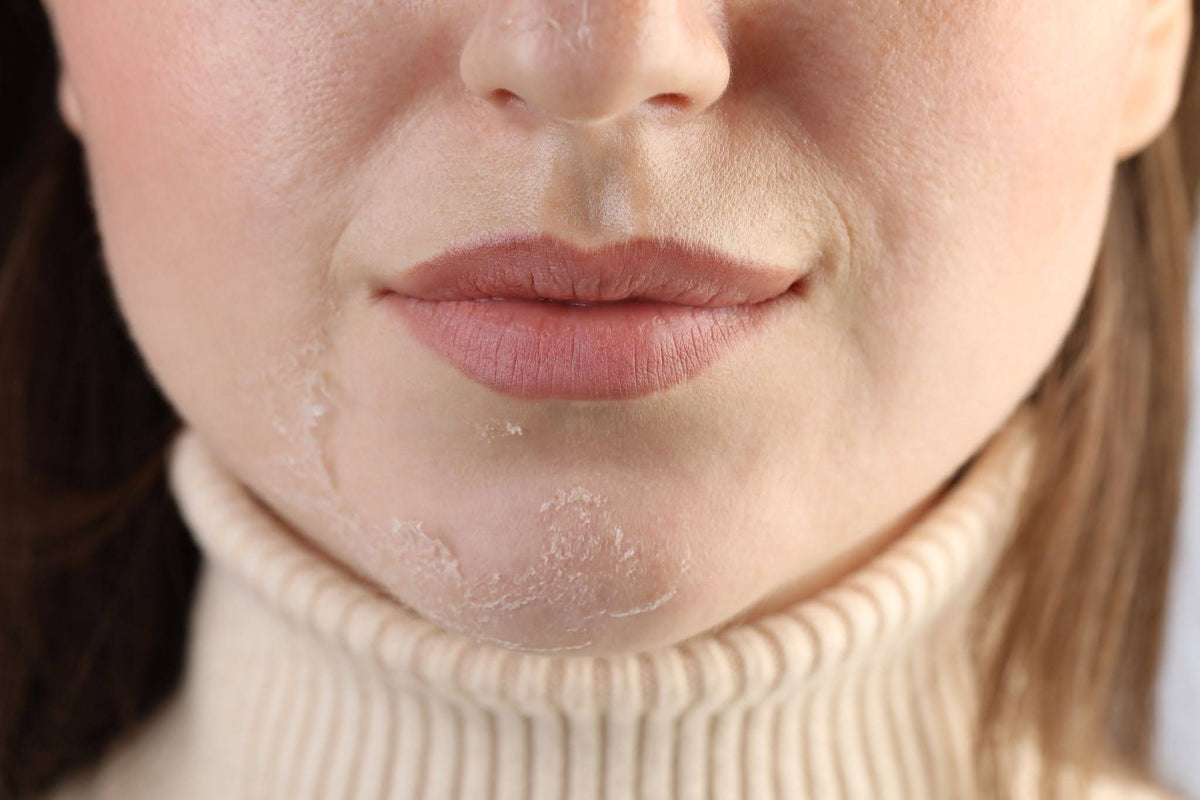
The trouble starts when too much water escapes too quickly. Your skin barrier, the outermost layer of your skin, acts like a protective seal. When that seal is healthy, water stays where it belongs. When the barrier is weakened, moisture slips out faster than your skin can replace it. The result? Tightness, dullness, rough patches, and that flaky, thirsty feeling no amount of water drinking seems to fix.
Researchers actually use TEWL measurements to understand skin barrier health. Published research on transepidermal water loss explores how these measurements help assess the condition of the skin barrier itself. In short, the more water your skin loses, the more support your barrier likely needs.
Why Is Your Skin Losing Water Without You Noticing?
TEWL is sneaky because you can't see it happening. A few everyday habits and conditions can speed it up:
- Harsh cleansing. Foaming washes that strip away natural oils can leave the barrier vulnerable.
- Hot showers. Heat feels wonderful, but it can wash away the lipids that keep moisture sealed in.
- Dry air. Indoor heating, air conditioning, and airplane cabins all pull moisture from your skin.
- Over-exfoliating. Too many acids or scrubs can thin out your skin's protective layer.
- Skipping moisturizer. Without a protective layer on top, water evaporates more freely.
- Age and hormones. Skin naturally produces fewer barrier lipids over time, which is why dryness often becomes more noticeable in your 40s and beyond.
The good news? Every single one of these is something you can work with. Small changes add up beautifully.
What Does Moisturizer Do for Water Loss?
So, what does moisturizer do, really? A good one works in two directions at once. It draws water into the skin with humectants like hyaluronic acid and glycerin, and it seals that water in with emollients that smooth over the surface. Think of it as filling the cup and then putting a lid on it.
If you're dealing with rough, tight, or peeling patches, a moisturizer for flaky skin should do more than sit on the surface - it should support the barrier itself so your skin gets better at holding moisture on its own over time.
That's the thinking behind Barrier Pro™ Essential Moisturizer. The emollient cream in this formula melts into skin and immediately envelops it with soothing moisture, while tri-molecular hyaluronic acid delivers hydration at multiple layers. It nourishes dry, patchy, or flaky skin, improves the skin's ability to attract and retain hydration, and supports a balanced microbiome for smooth, supple-looking skin. As a vitamin E moisturizer, it also includes tocopherol among its advanced antioxidants, which neutralize free radicals to help prevent visible skin damage. The finish is light and velvety enough to layer well under sunscreen and makeup, as the formula is oil-free, non-comedogenic, fragrance-free, hypoallergenic, and vegan.
Could Your Cleanser Be Making Things Worse?
Here's the step most people overlook. If your face feels squeaky or tight after washing, your cleanser may be contributing to water loss before your moisturizer ever gets a chance.
A cleanser for dry skin should remove the day without removing your barrier. The same goes for anyone shopping for a ceramide cleanser or other barrier-friendly formulas. The goal is simple: clean skin that still feels comfortable.
A moisturizing cleanser for dry skin, like the Barrier Pro™ 1-Step Cleanser, is designed with barrier health in mind. The Barrier Pro™ cleanser fits naturally before your serum and moisturizer, so every step in your routine works toward the same goal: keeping water in.
What About Sensitive Skin and Redness?
Sensitive skin and high water loss often travel together. When the barrier is compromised, irritants slip in more easily, and skin can react with redness, stinging, or flushing.
If that sounds familiar, you may want to choose a cleanser and moisturizer for sensitive skin that skips fragrance and harsh surfactants. A gentle cleanser for redness can help you cleanse without triggering a reaction, and Barrier Pro™ Essential Moisturizer soothes skin with calming botanicals, which makes it a comforting choice for reactive complexions.
Anyone searching for the best rosacea moisturizer may find that the same principles apply: gentle, fragrance-free, barrier-supportive formulas tend to be the kindest companions for easily flushed skin. As always, we'd recommend checking with your dermatologist for guidance tailored to your skin.
How Can You Slow Water Loss Every Day?
You don't need a ten-step routine. A few thoughtful habits go a long way:
- Cleanse gently. Choose a moisturizing cleanser for dry skin and use lukewarm water rather than hot.
- Apply moisturizer to damp skin. A touch of leftover moisture gives humectants more water to pull in.
- Layer in order. Treatment serums first, then moisturizer. Barrier Pro™ Essential Moisturizer applies beautifully after serums like Pep Up® Collagen Boost Face & Neck Serum, then preps skin for sunscreen.
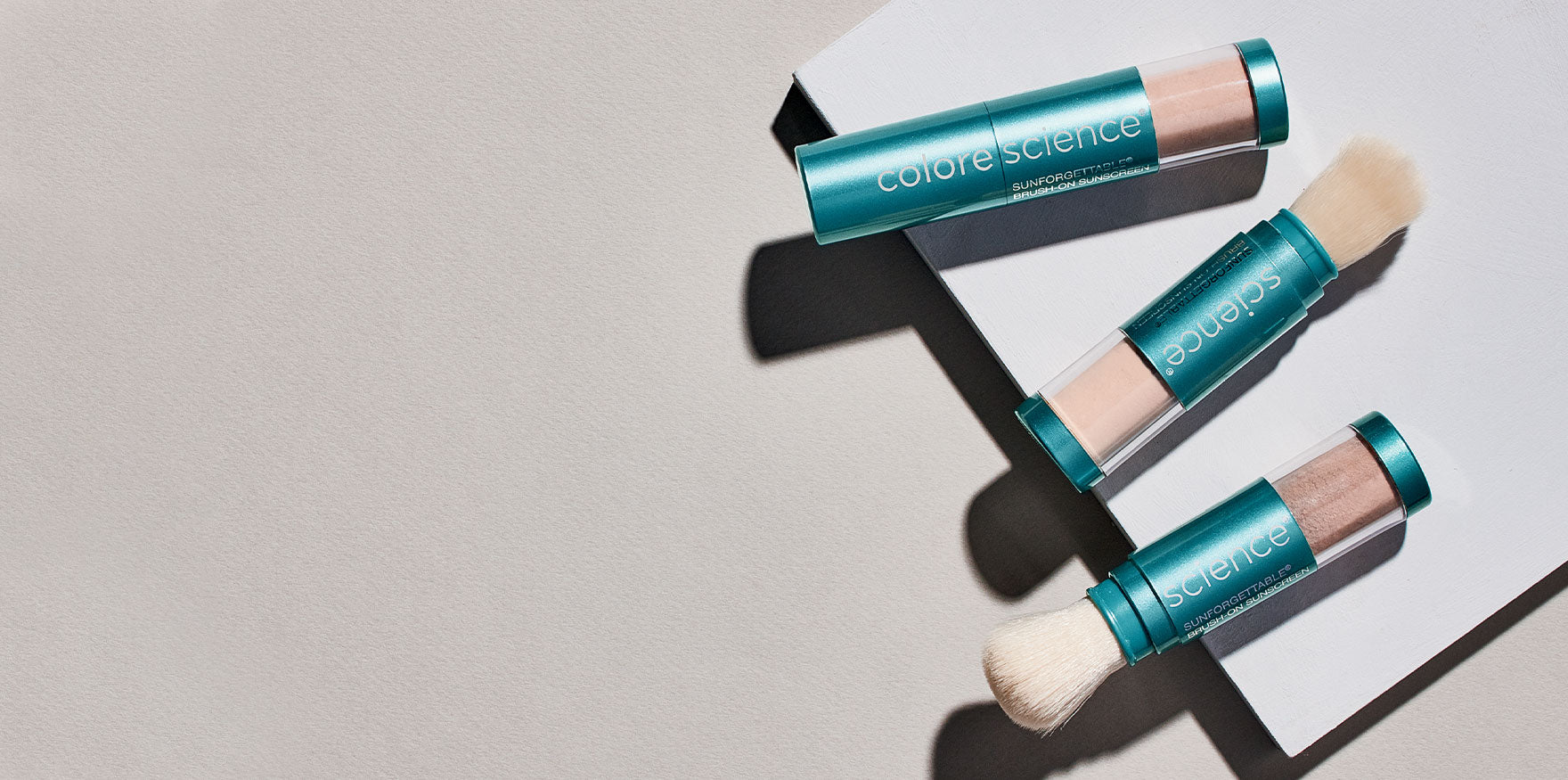
- Finish with SPF every morning. Daily protection supports long-term skin health, and a well-moisturized base helps sunscreen apply evenly. If your skin starts feeling dry later in the day, the Colorescience Hydrating Mist can be a nice pick-me-up. It's made with heavy water, ylang ylang, and chamomile to refresh and soothe skin without disturbing your makeup or sunscreen.
- Stay consistent. Barrier support is a daily practice, not a one-time fix. Your skin rewards routine.
Your Skin Already Knows How to Hold Water
Here's the encouraging part: your skin wants to stay hydrated. Transepidermal water loss isn't a flaw to fight; it's a signal to listen to. Give your barrier gentle cleansing, meaningful hydration, and daily protection, and it gets better at doing what it was built to do.
Don't just repair. Prepare. Your most comfortable, healthy-looking skin starts with a barrier that can hold onto its own glow.
Frequently Asked Questions
Can you feel transepidermal water loss happening?
Not directly. TEWL is invisible, but its effects show up as tightness, flakiness, dullness, and skin that drinks up moisturizer yet still feels dry soon after.
Does drinking more water stop TEWL?
Hydration from within supports overall health, but it can't seal a weakened barrier. Topical care, like a gentle cleanser and a barrier-supporting moisturizer, addresses water loss where it happens.
Is TEWL only a problem for dry skin types?
No. Oily and combination skin can experience elevated water loss too, especially after harsh cleansing or over-exfoliating. Barrier care benefits every skin type.
How long does it take to see improvement?
Skin responds at its own pace, and consistency matters most. Many people notice their skin feels more comfortable as they stick with a gentle, barrier-focused routine over time.