


Skin Care for Eczema-Prone Skin: Relief That Works
If you've ever woken up with red, itchy patches that won't quit or found yourself avoiding certain fabrics because they irritate your skin, you're not alone. Eczema-prone skin requires more than basic moisturizing. It needs a thoughtful approach that addresses the root cause: a compromised skin barrier that lets moisture escape and irritants in.
The good news? With the right products and habits, you can calm inflammation, reduce flare-ups, and restore comfort to your skin.
What Causes Eczema Flare-Ups?
Eczema flares occur when the skin's protective barrier becomes weakened. This barrier normally keeps moisture in and irritants out. When it's damaged, skin becomes dry, inflamed, and reactive.
Common triggers include:
- Environmental factors: Cold, dry air or high humidity
- Irritants: Harsh soaps, fragrances, synthetic fabrics
- Allergens: Pollen, pet dander, certain foods
- Stress: Emotional stress can worsen symptoms
- Hormonal changes: Fluctuations during menstrual cycles or menopause
Understanding what causes eczema flare-ups helps you avoid triggers and protect your skin proactively.
How Long Does an Eczema Flare-Up Last?
A typical flare can last anywhere from a few days to several weeks, depending on its severity and the speed of treatment. With consistent care, gentle cleansing, frequent moisturizing, and avoiding triggers, you can shorten flare-ups and reduce their intensity.
The key is not waiting until symptoms worsen. Early intervention with good skin care products for eczema makes a significant difference.
Good Skin Care Product Ingredients for Eczema: What to Look For
Not all moisturizers are created equal. When managing eczema-prone skin, choose formulations designed to repair the barrier, reduce inflammation, and lock in hydration.
When you're dealing with eczema, ingredients matter more than brand names. Your skin needs barrier repair, not just surface hydration. Look for ceramides; they rebuild your skin's protective layer. Niacinamide calms inflammation without irritation, while hyaluronic acid pulls moisture deep into your skin. Colloidal oatmeal is clinically proven to relieve itching and soothe flare-ups. Bisabolol offers gentle anti-inflammatory benefits.
On the flip side, avoid fragrances, dyes, harsh alcohols, and sulfates; they're common triggers. The best products combine emollients (which soften), occlusives (which seal), and humectants (which hydrate). It's not about fancy formulas; it's about what actually works for compromised skin barriers.
Mineral-based formulations tend to be gentler for sensitive skin. They protect without the risk of chemical irritants that can trigger reactions.
Good Products for Eczema on Face: Targeted Relief
Facial skin is thinner and more sensitive than the rest of your body. When eczema affects your face, you need products that offer both relief and protection without feeling heavy or greasy.
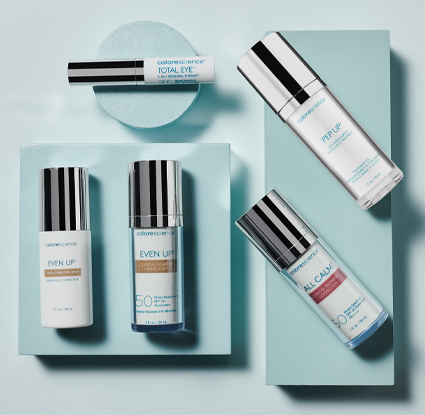
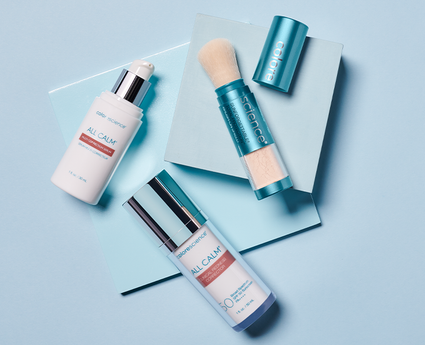
All Calm® Clinical Redness Corrector SPF 50 addresses facial sensitivity with mineral sun protection and calming ingredients. The formula contains niacinamide and bisabolol to reduce redness while providing broad-spectrum SPF 50 coverage, essential since UV exposure can worsen eczema symptoms.
For deeper hydration and barrier repair, All Calm® Multi-Correction Serum delivers moisture without clogging pores. It's formulated to strengthen the skin barrier, improve hydration retention, and calm irritation. Apply it before your moisturizer to lock in benefits.
These products work together to provide immediate comfort and long-term improvement for sensitive, eczema-prone facial skin.
Skin Care Regimen for Eczema: Your Daily Routine
Consistency is everything when managing eczema. A simple, effective skin care regimen for eczema focuses on three goals: gentle cleansing, barrier repair, and protection.
Morning Routine
- Cleanse gently: Use lukewarm water and a fragrance-free, non-soap cleanser. Hot water strips moisture from your skin.
- Apply serum: While skin is still slightly damp, apply a hydrating serum to boost moisture retention.
- Moisturize liberally: Use a thick cream or ointment to seal in hydration. Apply within three minutes of cleansing.
- Protect with SPF: Mineral sunscreen is non-negotiable. UV rays trigger inflammation and delay healing.
Evening Routine
- Remove makeup gently: Use a mild cleanser that doesn't disrupt your skin barrier.
- Apply treatment serum: Target inflammation and barrier repair with niacinamide or ceramide-rich formulas.
- Moisturize generously: Nighttime is when your skin repairs itself. Use a richer ointment or cream to support this process.
Additional Tips
- Moisturize throughout the day: Keep a small tube handy to reapply whenever skin feels tight or itchy.
- Pat dry, don't rub: After washing, gently pat your skin with a soft towel to avoid irritation.
- Avoid scratching: If itching is intense, apply a cool compress or moisturizer to relieve the urge.
The All Calm® Sensitive Skin Regimen offers a complete system designed for reactive skin. It combines gentle cleansing, soothing treatment, and protective moisturization, all formulated without common irritants.
Moisturizing After Bathing: The "Soak and Seal" Method
Bathing can either help or harm eczema-prone skin, depending on how you do it. The "soak and seal" method maximizes hydration while protecting your barrier.
Here's how:
- Soak for 5-10 minutes in lukewarm water. Avoid hot baths, which strip natural oils.
- Use a gentle, fragrance-free cleanser. Don't scrub, just cleanse lightly.
- Pat skin dry immediately after bathing, leaving it slightly damp.
- Apply moisturizer within three minutes to trap water in your skin.
This method works because damp skin absorbs moisturizer more effectively. The key is timing; wait too long, and the water evaporates, leaving your skin even drier than before.
Sensitive Skin Deserves Specialized Care
Eczema-prone skin isn't just dry, it's inflamed, reactive, and vulnerable. Generic moisturizers may provide temporary relief, but they don't address the underlying barrier dysfunction that drives eczema.
Mineral-based, dermatologist-tested formulations offer a safer, more effective solution. They deliver active ingredients without synthetic chemicals that can irritate compromised skin.
The All Calm® collection is specifically formulated for sensitive, eczema-prone skin. Each product in the regimen works to calm inflammation, restore the barrier, and provide long-term relief, not just temporary comfort.
For ongoing support, maintain a consistent routine. Eczema management is a marathon, not a sprint. The more diligent you are with moisturizing, trigger avoidance, and barrier protection, the fewer flare-ups you'll experience.
FAQs
1. Can I use makeup if I have eczema on my face?
Yes, but choose mineral-based, fragrance-free products. Avoid heavy coverage that clogs pores and opt for formulas with built-in SPF for added protection.
2. Should I moisturize even when my skin looks okay?
Absolutely. Eczema-prone skin has an impaired barrier even when it's not flaring. Daily moisturizing prevents flare-ups and maintains skin health.
3. Are natural oils good for eczema?
Some oils, like sunflower seed oil, can help. However, avoid fragranced oils or those high in oleic acid, which may worsen barrier function. Stick to tested, dermatologist-recommended products.
4. How often should I reapply moisturizer?
At least twice daily, once in the morning and once at night. Reapply whenever your skin feels dry or tight, especially after washing your hands.
5. Can stress really make eczema worse?
Yes. Stress triggers inflammation throughout the body, which can worsen eczema symptoms. Managing stress through exercise, sleep, and relaxation techniques supports better skin health.