

You feel safe from the sun when you are inside your car, sitting at your desk, or settled into a window seat on a flight. The glass is right there, so the sun stays out, right? Not quite. Some rays slip through without you noticing a thing. So does UV go through windows? Yes, part of it does, and that small detail adds up over the years. Here is what actually reaches your skin behind the glass, and a few simple ways to stay one step ahead.
Does UV go through windows and reach your skin?
Sunlight carries two main kinds of UV rays. UVB rays cause sunburn. UVA rays go deeper into the skin and drive early aging, like fine lines and dark spots. Here is the key part. Regular glass stops most UVB, but a large share of UVA passes straight through. The Skin Cancer Foundation notes that more than half of UVA rays can move through glass. Research on glass as a sun barrier shows the same pattern, where ordinary glass blocks UVB while letting UVA pass.
So do windows block UV rays completely? No. Windows block the burning rays fairly well and let the aging rays in. That clears up another common worry too.
How much sun damage happens through a car window?
Your daily drive may expose one side of your face more than you would guess. Front windshields are treated to filter out most UVA, but side and rear windows usually are not, according to the Skin Cancer Foundation. The arm, cheek, and hand nearest your driver's window end up taking the most exposure. Between long commutes, school runs, and weekend road trips, sun damage from your car window starts to accumulate.
Over months and years, UV rays through a car window can lead to a range of UV-related skin changes, including uneven tone, dark spots, fine lines, rough texture, and loss of firmness, often showing up more on the driving side of the face. The good news is that a simple daily habit can help. The Skin Cancer Foundation recommends wearing a broad-spectrum sunscreen with at least SPF 30 for short drives and SPF 50 or higher for longer time behind the wheel. Making sunscreen part of your driving routine, even for quick errands and commutes, gives your skin steady protection when you need it most. If you already notice some of these changes starting to show, our guide on how to treat sun-damaged skin walks you through gentle next steps.
Does window tint block UV rays or only cut glare?
A lot of people assume a dark window means full protection. Tint mainly cuts visible light and glare, so does window tint block UV? Not always, and not by default. Some films are built to filter UV, while others only reduce brightness and heat. Factory tint on a new car is not a promise of UV defense.
If long commutes are part of your week, a professional UV-filtering film can help, though tint laws vary from state to state. Even then, film only guards the glass you apply it to, so your skin protection should not stop at the window. A daily mineral sunscreen fills the gaps that tint leaves behind and travels with you when you step outside.
Do you need sunscreen indoors near a window?
Working next to a bright window feels pleasant, but those aging rays still reach your desk. So do you need sunscreen indoors? If you sit within a few feet of a window for hours at a time, a little daily protection is a smart move. The same goes for screen time, since phones and laptops give off blue light that can affect skin tone over the long run. Blue light (also called HEV light) comes from both the sun and your screens, so shielding skin from it matters whether you're outdoors or scrolling at your desk.
Can you tan through a window?
A slow shift in color is possible with steady UVA, though a tan behind glass is really a sign of skin stress rather than a healthy glow. A tinted sunscreen with iron oxides helps block blue light while it evens out your tone, which makes it handy for indoor and screen-heavy days. For a minimal routine, consider pairing two products that cover a lot of ground. Pep Up Collagen Boost Face & Neck Serum delivers 10 peptides, antioxidants, and deep hydration in one step. Layer a Total Protection sunscreen on top to shield skin against UVA, UVB, blue light from screens, pollution, and infrared radiation.
What to know about UV exposure on airplanes
Airplane windows block most UVB, but UVA can still come through, and that sun may be stronger up high than it is on the ground, as the Skin Cancer Foundation points out. Overall radiation exposure also climbs the higher you fly, which the Health Physics Society explains for commercial flights.
So UV exposure on airplanes is worth planning for, especially on long daytime routes with the shade up. At cruising altitude, the air is also much drier, which can weaken your skin barrier and leave it more open to damage from those stronger rays. Applying sunscreen before you board, plus closing the shade when the sun is bright, keeps your skin calm at cruising height. Pilots and cabin crew log this exposure most, yet a window-seat traveler on a sunny afternoon deals with the same rays for a few hours. Not sure when protection matters most for your routine? Our guide on when to wear sun protection breaks it down by setting.
How to stay protected from UV exposure through windows
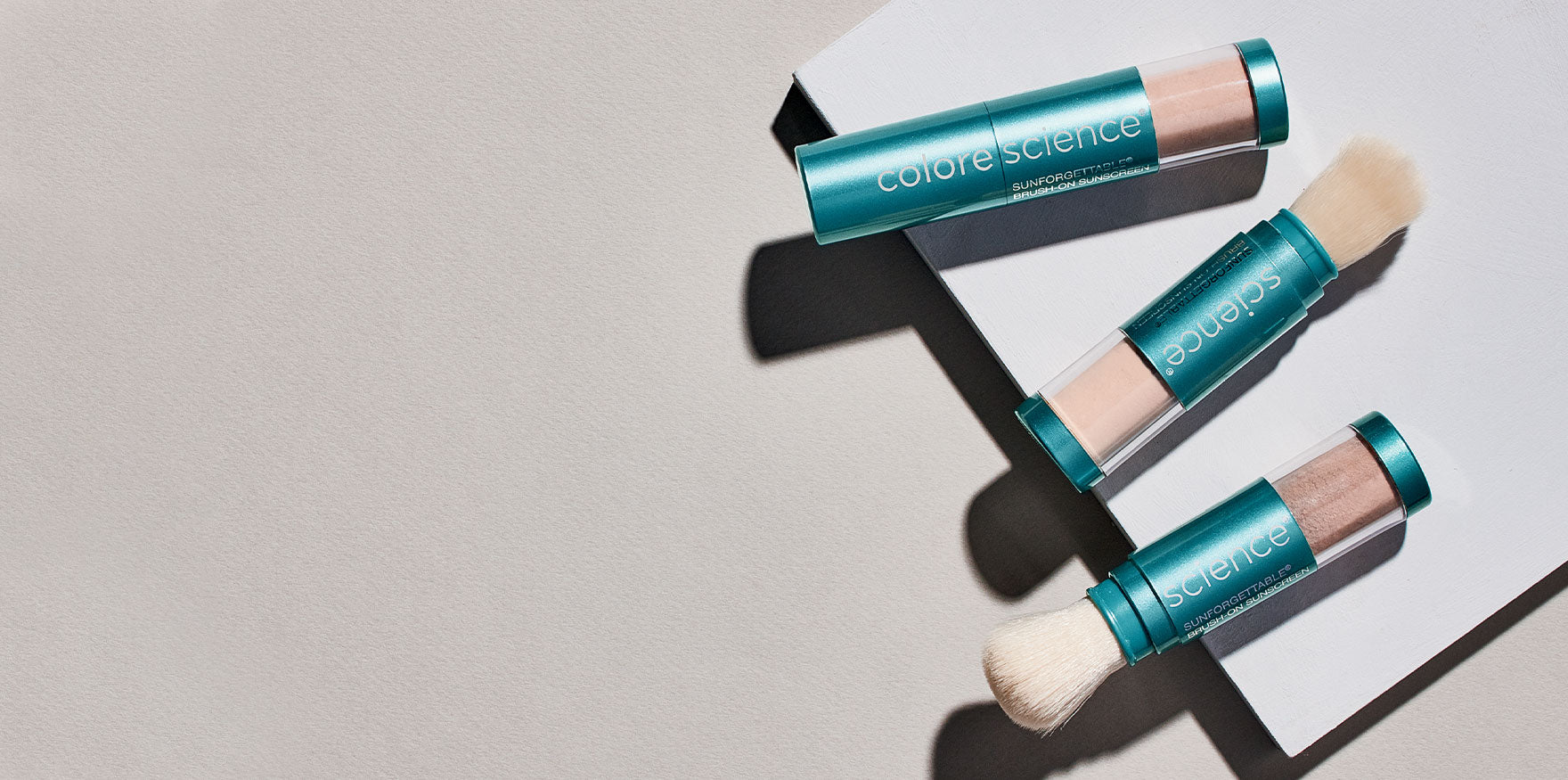
Steady, wearable protection beats a strict routine you keep skipping. Most skin health professionals trust and recommend Sunforgettable® Total Protection® Face Shield Flex SPF 50 for daily 5-Point Protection against UV, HEV blue light, infrared radiation, and pollution, while giving free radical support through an antioxidant-rich, hydrating formula. This mineral sunscreen with iron oxide pigments that adapt to a wide range of skin tones and undertones for a smooth, demi-matte finish. Since the formula is tinted with iron oxides, it also helps block blue light, which is a real plus for desk and travel days. Zinc oxide alone provides partial protection against HEV, and iron oxides can carry the protection across the HEV range.
You can shop the full Total Protection® Face Shield Collection or browse the broader sun protection and Total Protection ranges to match your day. New to mineral SPF and want the basics first? Start over at the Colorescience skin quiz. Wondering how much to apply or how often to top up? Our tips on how much sunscreen to use and how long sunscreen lasts make reapplying simple.
Wearing protection through the window is one of the easiest ways to keep your skin healthy for years to come.
UV & Windows FAQs
Does UV go through windows at home too?
Yes. Home glass blocks most UVB but lets UVA pass, so rooms with lots of natural light still bring some exposure. A daily sunscreen helps if you sit near windows often.
Can you get sunburn through a window?
A full burn is unlikely, because glass blocks most UVB. Your skin still absorbs UVA, though, which adds up and can lead to aging and dark spots over time.
Do I really need sunscreen for driving short trips?
Short drives count. Side windows usually let UVA through, so light daily protection guards the side of your face and your hands during everyday errands.
Does window tint block UV rays on its own?
Not always. Tint mainly cuts glare and heat. Only UV-rated films filter rays, so pair any tint with a daily mineral sunscreen for steady coverage.
Is UV exposure on airplanes really a concern?
Yes, on bright daytime flights. UVA passes through cabin windows, so a little sunscreen and a closed shade keep window-seat skin protected.