
Your skin tells a story, and you want that story to reflect how you feel inside: vibrant, confident, and glowing. When signs of aging on the face appear earlier than expected, it can feel like your skin is aging faster than you are. The good news? You have more control over preventing premature skin aging than you might think.
With the right approach to skincare and lifestyle, you can support your skin's natural resilience and maintain that healthy radiance for years to come.
What Are the Signs of Aging on the Face?
Premature aging shows up differently for everyone, but there are common patterns to watch for. Fine lines around your eyes and mouth often appear first, followed by deeper expression lines. You might notice changes in skin texture; what once felt smooth may start to feel rougher or less plump.
Loss of firmness and elasticity becomes more apparent over time. Your skin may not bounce back the way it used to. Age spots or uneven skin tone can develop, particularly in areas that receive regular sun exposure, like your forehead, cheeks, and around your mouth.
Dryness and dullness are also telltale signs. When your skin loses moisture more quickly, it can appear less luminous and feel tight or uncomfortable. These changes happen when your skin's natural processes, like collagen production and cell turnover, begin to slow down earlier than they should.
How Does Your Face Change as You Age?
Understanding how to prevent premature aging starts with knowing what happens beneath the surface. Your skin undergoes natural changes throughout your life, but external factors can speed up this process significantly.
Collagen, the protein that keeps skin firm and smooth, begins declining at a rate of about 1% per year after age 30. When this decline accelerates due to sun exposure or lifestyle factors, you see the effects in the form of wrinkles and sagging. The skin's protective barrier also becomes less effective over time, making it harder to retain moisture and defend against environmental stressors.
Cell turnover naturally slows as we age. When you're younger, your skin sheds dead cells and generates fresh ones every 28 days or so. As this process slows, skin can look less radiant and feel rougher to the touch. The dermal layer also thins, which reduces the cushioning effect that keeps skin looking plump and youthful.
Environmental factors like UV exposure, pollution, and lifestyle choices play a significant role in how to avoid premature aging. When these external elements combine with natural aging processes, they create what we see as premature skin aging.
How to Prevent Premature Skin Aging with Daily Habits
Your daily routine makes a bigger difference than you might expect. Small, consistent actions add up to visible results over time. The key is building habits that support your skin's health from the inside out.
Nourish Your Skin from Within
What you eat directly affects how your skin looks and feels. A diet rich in fruits, vegetables, and healthy fats provides antioxidants that help protect your skin cells. Foods high in refined sugars and processed carbohydrates can accelerate aging, while whole foods support your skin's natural defenses.
Staying hydrated is just as important. When your skin has adequate moisture, it maintains better elasticity and appears more radiant. Aim for at least eight glasses of water daily, and consider incorporating hydrating foods like cucumber and watermelon into your meals.
Support Your Skin's Structure
Collagen and elastin are the building blocks of firm, smooth skin. As these proteins decline with age, supporting their production becomes essential. Peptide-rich formulations work at the cellular level to encourage your skin's natural collagen synthesis.
The Pep Up® Collagen Boost Face & Neck Serum combines 10 different peptides in a 22% complex specifically designed to support healthy collagen and elastin. This weightless formula is our most repurchased product for a reason: it works with your skin's natural processes rather than against them.
Prioritize Quality Sleep
Poor sleep quality can accelerate cellular aging. During sleep, your skin repairs itself and regenerates new cells. Consistently getting seven to nine hours of quality rest gives your skin the time it needs for these essential processes.
How to Avoid Getting Wrinkles Through Sun Protection
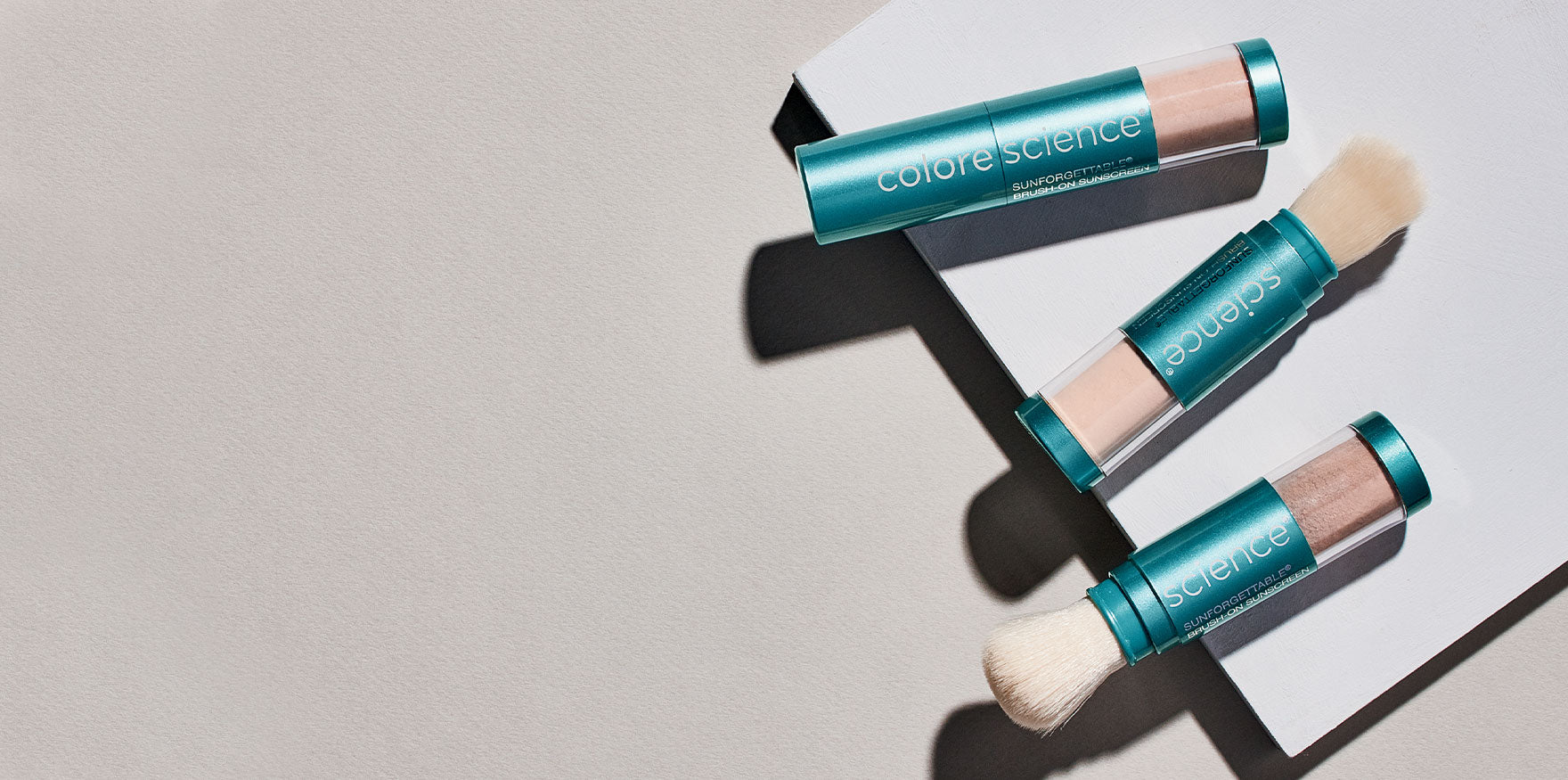
Sun exposure is the single most significant factor in premature skin aging. UV radiation accounts for up to 90% of visible skin aging, making sun protection your most powerful tool for prevention.
Daily Broad-Spectrum Protection
Apply sunscreen every single day, even when it's cloudy or you're mostly indoors. Choose a broad-spectrum formula with SPF 30 or higher that protects against both UVA and UVB rays. UVA rays penetrate deeper into the skin and are primarily responsible for premature aging, while UVB rays cause surface damage and sunburn.
Mineral-based sunscreens containing zinc oxide offer physical protection by sitting on top of your skin and reflecting UV rays away. This makes them an excellent choice for sensitive skin types and those looking for gentle yet effective protection.
Go Beyond Sunscreen
While sunscreen is essential, comprehensive sun protection includes additional measures. Wear wide-brimmed hats and UV-protective sunglasses when spending time outdoors. Seek shade during peak sun hours, when UV radiation is strongest.
Consider your indoor environment too. Blue light from electronic devices and certain types of indoor lighting can contribute to skin aging over time. Antioxidant-rich skincare helps defend against these modern environmental stressors.
Can You Reverse Premature Skin Wrinkling?
While prevention is ideal, you can still take action if signs of aging on the face have already appeared. The right approach combines protective measures with targeted treatments that support your skin's natural renewal processes.
Start by eliminating or reducing factors that accelerate aging. Smoking restricts blood flow to your skin and breaks down collagen, leading to premature wrinkles and a dull complexion.
Chronic stress elevates cortisol levels, which can break down collagen and elastin. Finding healthy ways to cope with daily stressors protects both your skin and overall well-being.
A targeted skincare routine makes a meaningful difference. Look for formulations that work with your skin's natural processes. Gentle cleansing removes impurities without stripping essential moisture. Follow with treatments that support collagen production and provide deep hydration.
The key is consistency. Results from how to prevent premature skin aging efforts don't appear overnight, but with dedicated care, you'll notice improvements in skin texture, firmness, and overall radiance within weeks.
Your skin has remarkable regenerative abilities when given the right support. By combining sun protection, healthy lifestyle habits, and targeted skincare solutions, you're investing in skin that looks and feels its best at every age.
Frequently Asked Questions
Q. How long does it take to see results from anti-aging skincare?
Most people notice improvements in skin texture and hydration within 4-6 weeks of consistent use. More significant changes in fine lines and firmness typically become visible after 8-12 weeks.
Q. Can you prevent premature aging if it runs in your family?
While genetics influence how your skin ages, environmental and lifestyle factors have a greater impact on premature aging. Consistent sun protection and healthy habits can significantly slow aging even with a genetic predisposition.
Q. What's the most important step in preventing premature skin aging?
Daily broad-spectrum sun protection is the single most effective prevention measure. Combined with antioxidant-rich skincare and healthy lifestyle habits, it provides comprehensive protection against premature aging.