
When it comes to skincare, there are so many products out there that promise the perfect complexion. Between ads and promises, it can feel a little overwhelming to figure out what your skin actually needs.
Two products that tend to cause the most confusion? Face serums and moisturizers.
Both play an important role in reducing signs of aging and keeping skin looking its best. They might seem similar at first, but they actually do very different things for your skin. When you use them together (and in the right order), the results can be pretty impressive.
Let's break it all down so you know exactly what each one does, when to use them, and how to pick the right ones for your skin.
The Difference Between Serum vs. Moisturizers
Face serums and moisturizers are both skincare products that hydrate and nourish your skin, but they work in different ways. It can be confusing when it comes to how and when they should be applied and what serum vs. moisturizer do for you.
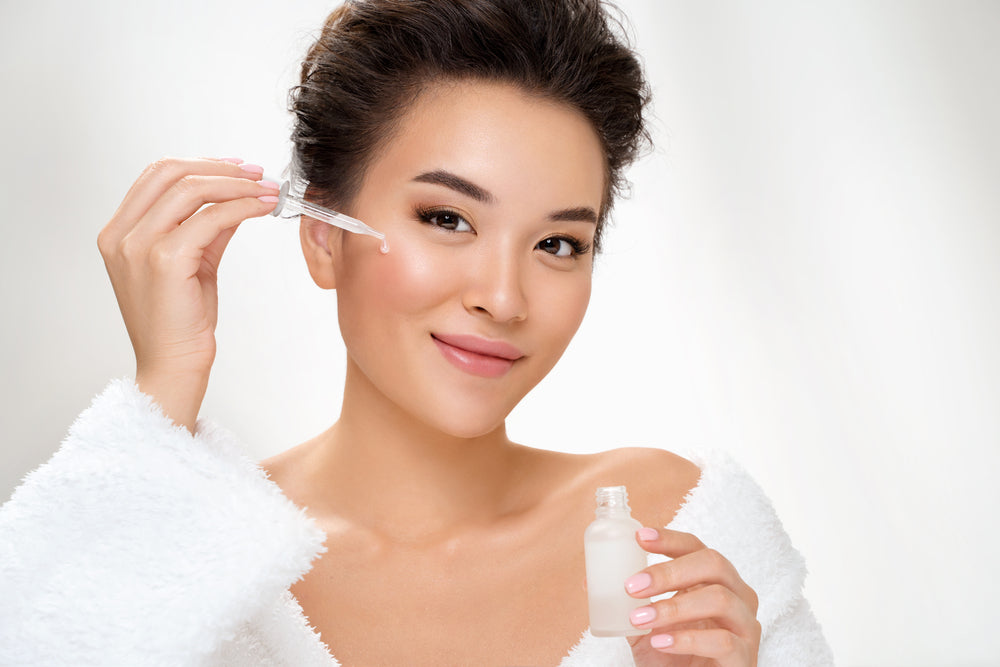
Serums are lightweight, highly concentrated formulas that penetrate deeply into the skin to deliver active ingredients, such as antioxidants, vitamins, and peptides.
Face moisturizers, on the other hand, are thicker and work on the surface of the skin to create a barrier that locks in moisture and prevents dehydration.
The three key differences of face moisturizer vs. serum are:
- Concentration: Face serums have a higher concentration of active ingredients than moisturizers. Serums are formulated with smaller molecules that can penetrate deeper into the skin, allowing for a higher concentration of active ingredients to be delivered to the skin.
- Texture: Face serums have a lightweight, thin consistency that is easily absorbed into the skin. Moisturizers, on the other hand, typically have a thicker, more emollient texture that sits on top of the skin to lock in moisture.
- Function: Face serums are typically used to target specific skin concerns, such as fine lines, wrinkles, and dark spots. They contain active ingredients that work to improve the overall health of the skin. Moisturizers are used to hydrate and protect the skin from environmental damage. They work by creating a barrier on the skin's surface to prevent moisture loss and keep the skin soft and supple.
Uses
The reasons and the way people use face serums and moisturizers differ. Let’s dive a little deeper below:
Face Serums
Applying face serums usually addresses specific skin concerns, such as fine lines, wrinkles, dark spots, and uneven texture.
They can be highly effective because they contain a high concentration of active ingredients that can penetrate deep into the skin. Serums can also be used to hydrate the skin and improve overall skin health.

Face Moisturizers
Moisturizing, on the other hand, is key to supple skin. Face moisturizers are used to hydrate the skin and protect it from environmental damage and create a barrier on the skin's surface to prevent moisture loss, which can cause dryness, irritation, and premature aging.
They can also contain active ingredients that nourish the skin, such as vitamins and antioxidants.

Benefits
Face serums and face moisturizers are your dynamic duo for protecting and taking care of your skin. Now let’s focus on the main benefits of each of these skincare solutions:
Face Serums
The main benefits of using face serums are that they can provide targeted treatment for specific skin concerns, such as:
- Fine lines
- Wrinkles
- Dark spots
Face serums can also help to hydrate the skin and improve overall skin health by providing essential vitamins and antioxidants.
Many men and women don't realize the power and potential of face serums, but using them can have notable benefits on your skin.
Face Moisturizers
Face Moisturizers are meant to:
- Hydrate the skin
- Protect it from environmental damage
- Improve overall skin health
Moisturizers can also improve the appearance of fine lines and wrinkles by plumping the skin.
If you’re not sure which to use, it’s worth noting that the benefits of applying both can often outweigh using one over the other.
How Does a Serum vs Moisturizer Comparison Actually Look
Here is a quick side-by-side look at how serums and moisturizers compare across the features that matter most.
| Feature | Face Serum | Face Moisturizer |
|---|---|---|
| Texture | Lightweight, thin, watery or gel-like | Thicker, creamier, more emollient |
| Molecule Size | Smaller molecules that penetrate deeper | Larger molecules that sit on the skin's surface |
| Main Purpose | Targets specific skin concerns (fine lines, dark spots, uneven tone) | Hydrates and protects the skin barrier |
| Active Ingredients | Higher concentration of actives like peptides, vitamins, antioxidants | Contains hydrating ingredients like ceramides, shea butter, hyaluronic acid |
| How It Works | Delivers treatment ingredients deep into the skin | Creates a protective barrier to lock in moisture |
| When to Apply | After cleansing, before moisturizer | After serum, as the final skincare step before SPF |
| Best For | Targeted treatment and visible results | Daily hydration and barrier protection |
| Can You Skip It? | Optional (based on skin goals) | Recommended for all skin types |
Should You Use Both Face Serum & Moisturizer?
For most people, the answer is yes.

You should use both face serum and moisturizer as part of your total skincare routine, especially to get the most effective results if you’re working to improve your complexion. Keep in mind that skincare products work over time. When you follow a regular routine, you’re more likely to see noticeable results.
Face serums provide targeted treatment for specific skin concerns, while moisturizers are hydrating and protective. Together, they can improve overall skin health and help you achieve a more youthful, glowing complexion.
Should You Use Face Serum or Moisturizer First?
It's best to apply face serum first, as it can penetrate the skin more deeply and deliver active ingredients. Wait a minute or so after applying the serum to let it absorb before applying moisturizer on top.
Note that you should always refer to the label to properly use the product. Not all face serums should be used every day.
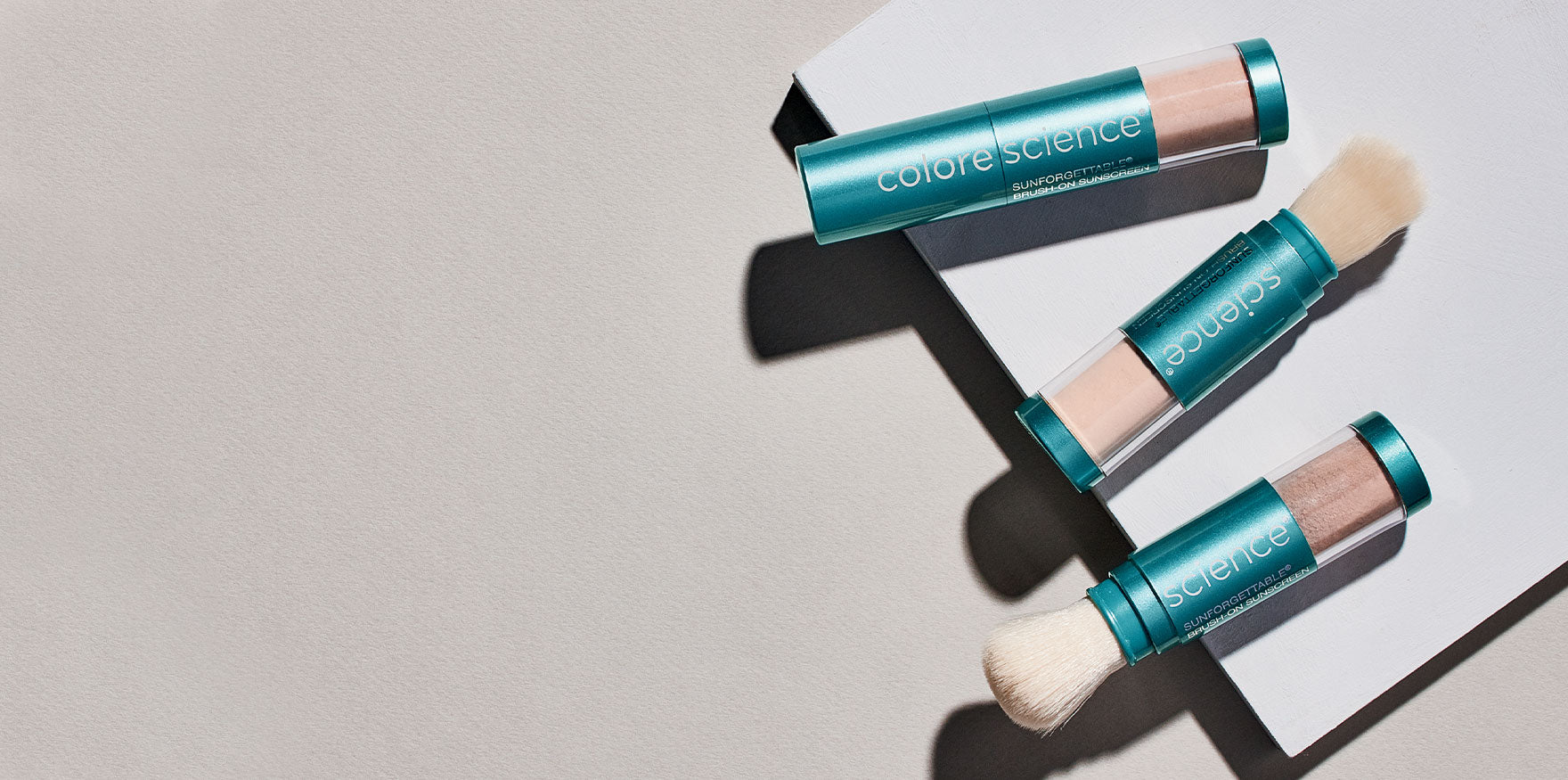
Layer after serum but before moisturizer with our best sunscreen for face for optimal protection.

How to Choose the Right Skin Products
Choosing the right skincare products can have a significant impact on the health and appearance of your skin. It is essential to pay attention to the ingredients in the products you use on the sensitive skin on your face. All skincare products should be free from fragrances and include natural ingredients for several reasons.
Check the Ingredients
Fragrances are added to skincare products to improve their smell and make them more appealing to consumers. However, many fragrances contain chemicals that can irritate the skin and cause allergic reactions. Fragrances can also be harmful to the environment and contribute to air pollution.
Skincare products without added fragrances are less likely to cause skin irritation and are better for the environment.
In contrast, natural ingredients are derived from plants and are free from synthetic chemicals. Natural ingredients have been used in skincare products for centuries and have been shown to have many benefits for the skin. They contain antioxidants, vitamins, and minerals that nourish and hydrate the skin, making it look healthy and glowing.
Natural ingredients such as aloe vera, coconut oil, and shea butter are commonly used in skincare products due to their moisturizing and soothing properties. These ingredients are gentle on the skin and do not cause irritation or adverse reactions.

Additionally, natural ingredients are more sustainable than synthetic chemicals, which can be harmful to the environment. Everyone's skin reacts to both chemicals and natural ingredients differently. If your skin gets irritated or red, it’s usually a good idea to discontinue using it and try a different one that suits your skin.
In recent years, there has been a growing awareness of the harmful effects of synthetic chemicals used in skincare and makeup products. Many consumers are choosing natural and organic skincare treatments to reduce their exposure to these chemicals.
Natural ingredients are not only better for the skin, but they are also more sustainable and better for the environment. Colorescience offers a range of the highest quality moisturizers and serums that are formulated with natural ingredients and free from harmful chemicals. We like to say, "science meets skincare, meets you."
Best Face Moisturizers
With that in mind, here are some of our best face moisturizer recommendations:

- Total Eye® 3-In-1 Renewal Therapy SPF 35 moisturizes and brightens the eye area while providing SPF protection.
- Sunforgettable® Total Protection™ Face Shield Glow SPF 50 provides broad-spectrum SPF protection while leaving a beautiful glow on the skin.
Our hydrating Total Eye® 3-In-1 Renewal Therapy SPF 35 and Sunforgettable® Total Protection™ Face Shield Glow SPF 50 moisturizers are both excellent options for those who want to moisturize their skin without harmful chemicals. Each of these moisturizer-infused treatments is scientifically formulated to bring your complexion a boost of luminosity.
It's important to note that SPF is important to apply throughout the entire year. Even in the winter or when the clouds are covering the sunshine, harmful rays can still penetrate your skin. That’s why we recommend face moisturizer with SPF.
Best Face Serums
Everyone has different skin types and conditions that are easily corrected with the right skincare products. When choosing a face serum, look for one that contains active ingredients that target your specific skin concerns.
We offer a range of serums that are formulated with natural ingredients and free from harmful chemicals. Some of our best face serum recommendations include:
- All Calm® Multi-Correction Serum is formulated with natural botanicals, antioxidants, and anti-inflammatory ingredients to soothe and calm irritated skin. It also contains a mineral SPF 50 to protect the skin from sun damage.
- Pep Up® Collagen Boost Face & Neck Serum contains peptides and antioxidants to stimulate collagen production and improve skin elasticity. It also contains hyaluronic acid to hydrate and plump the skin.
- All Calm® Clinical Redness Corrector SPF 50 is designed to reduce redness and inflammation in the skin. It contains a mineral SPF 50 to protect the skin from UV damage and antioxidants to soothe and hydrate the skin.
Whether you’re struggling with rosacea or early signs of aging, we have face serums that cater to you.
Improve Your Skincare Routine
Incorporating face serums and moisturizers into your skincare routine can help improve your skin’s overall health and appearance.
While serums are used to address specific skin concerns, moisturizers are used to hydrate and protect the skin from environmental damage. Both products can improve overall skin health and should be incorporated into your skincare routine.
When choosing skincare products, look for those that are free from harmful ingredients and contain natural ingredients and antioxidants. It’s important to choose products that are specifically formulated for your skin type and concerns.
Colorescience offers a range of moisturizers and serums that are free from harmful chemicals and contain natural ingredients that provide multiple benefits for the skin. Try our skincare treatments today to see what a difference they can make.
Frequently Asked Questions
Can I use a serum without a moisturizer?
It depends on your skin type. If you have oily skin, a hydrating serum like Pep Up® may provide enough moisture on its own. For dry or combination skin, layering a moisturizer on top is usually a good idea to lock in hydration and protect the skin barrier.
How long should I wait between applying serum and moisturizer?
About 30 seconds to one minute is usually enough. You want to give the serum time to absorb into the skin so the moisturizer does not dilute it or block the active ingredients from sinking in.
Can I use multiple serums at the same time?
You can, but it is best to keep it simple. If you want to use more than one, try using one in the morning and another at night. That way, each serum gets time to work without competing with the other.
Do I need SPF if my moisturizer already has it?
A moisturizer with SPF can work for light daily protection. But for more complete defense, you may want to consider a dedicated sunscreen that also protects against blue light, pollution, and infrared radiation, not just UV rays.
Is a serum or moisturizer better for aging skin?
Both play a role. A peptide-rich serum can support collagen production and address fine lines at a deeper level, while a moisturizer keeps the skin hydrated and protected on the surface. Using both together is usually the most effective approach for aging skin.