



When To Apply Sunscreen: Before or After Moisturizer?
Hopefully, you follow a consistent routine to maintain your skin’s vitality, but are you layering your skincare products properly? Many people aren’t aware that the order of steps makes a difference when it comes to achieving the results you want, such as when to apply sunscreen before or after moisturizer.
You should put on physical sunscreen after you apply your moisturizer for the best results. If you're using an all-mineral, or physical sunscreen, that’s made from minerals, it sits on top of your skin to reflect UV rays. This is why it’s important to put on physical sunscreen after you’ve moisturized so you don’t reduce its effectiveness.
Today’s post dives deep into the question, “Do you put sunscreen on before or after moisturizer?" with additional tips on how to optimize your twice-daily regimen.
- WHAT GOES FIRST, SUNSCREEN OR MOISTURIZER?
- WHAT’S THE DIFFERENCE BETWEEN CHEMICAL VS PHYSICAL SUNSCREEN?
- CAN I MIX SUNSCREEN WITH MOISTURIZER?
- IS IT NECESSARY TO APPLY MOISTURIZER BEFORE SUNSCREEN?
- WHY DO I NEED BOTH MOISTURIZER AND SUNSCREEN IN MY SKINCARE ROUTINE?
- WHAT'S THE DIFFERENCE BETWEEN SUNSCREEN AND MOISTURIZER?
- HOW LONG SHOULD I WAIT TO APPLY SUNSCREEN AFTER MOISTURIZER?
- IS IT OKAY TO LEAVE SUNSCREEN & MOISTURIZER ON MY FACE ALL DAY?
- CAN I WEAR MAKEUP OVER SUNSCREEN?
- WHEN DO YOU APPLY SUNSCREEN IN A SKINCARE ROUTINE?
- DO I NEED TO APPLY SUNSCREEN IF I WEAR MAKEUP?
- WHAT’S THE BEST SUNSCREEN TO WEAR WITH MOISTURIZER?
- WHAT KIND OF MOISTURIZER DO YOU NEED?
- TAKEAWAYS FOR WEARING SUNSCREEN WITH MOISTURIZER
- LEVEL UP YOUR SKINCARE WITH MOISTURIZER & SUNSCREEN EVERY DAY
What goes first, sunscreen or moisturizer?
Does sunscreen go on before or after moisturizer? In all honesty, it depends on several factors. We know it’s not the easy answer you were looking for—that’s because the answer isn’t exactly cut and dry—so let us elaborate.
Mainly, dermatologists are torn about whether you should apply sunscreen before or after moisturizer because of how moisturizer (or any other skincare product, for that matter) can interfere with the effectiveness of your sun protectant.
The concern is that when moisturizer is applied under sunscreen, it can create a barrier that prevents the sunscreen from penetrating the skin. However, when moisturizer is placed over sunscreen, it can interfere with how the sunscreen interacts with the sun.

So, do you apply sunscreen before or after moisturizer? If you’re using a chemical sunscreen, it needs to be applied first. This is because chemical sunscreen needs to penetrate the skin in order to provide protection. After moisturizer, layer on non-comedogenic sunscreen for acne prone skin to protect without triggering breakouts or layer the best tinted face sunscreen to lock in hydration while adding sheer, buildable color.
However, if you’re using a physical sunscreen (also known as mineral sunscreen), sunscreen should be applied after moisturizer. We’ll go more in-depth into how chemical and physical sunscreen work shortly.
Keep in mind that putting sunscreen on before or after moisturizer is better than not putting it on at all. You never want to leave the house without sunscreen at least SPF 30 or higher.
What’s the difference between chemical vs physical sunscreen?
When you ask, “Do you put sunscreen on before or after moisturizer?”, it's important to understand which kind of sunscreen you’re using. There are several key differences between chemical and physical sunscreen—from their composition and safety, to how they work.
Chemical sunscreens, as the name suggests, are made with a variety of chemical active ingredients. Chemical sunscreen works by penetrating the skin and absorbing UV radiation.

On the other hand, physical sunscreen is made with mineral ingredients, which sit on top of the skin. This means that the sunscreen and its ingredients never penetrate the skin. Instead, mineral sunscreen creates a barrier between the skin and harmful UV rays, which are reflected away.
Learn more about the differences between chemical and physical sunscreen and what you should consider when selecting your sun protection.

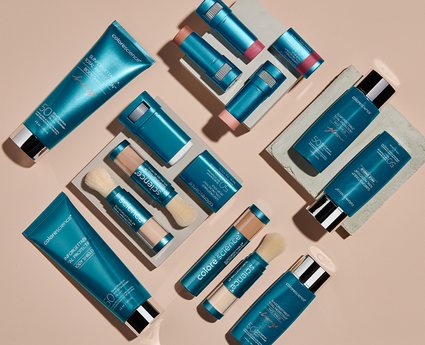
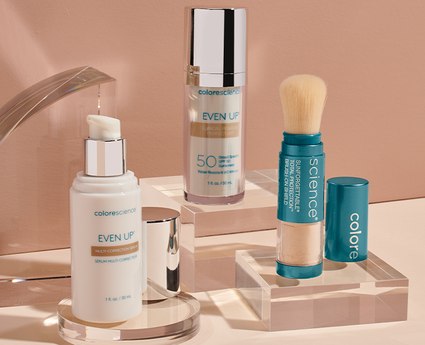
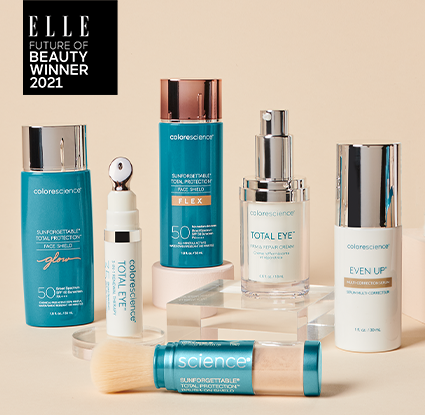
Colorescience mineral sunscreen is made with natural active ingredients such as Titanium Dioxide and Zinc Oxide. Our safe sunscreen is available in a variety of application methods for convenient use. Try our Sunforgettable® Total Protection™ Brush-On Shield SPF 50 or Sunforgettable® Total Protection™ Sport Stick SPF 50 for easy application on the go.
Can I mix sunscreen with moisturizer?
When researching “Does sunscreen go before or after moisturizer?”, perhaps you’ve considered mixing sunscreen with moisturizer to apply at the same time. No, you shouldn’t mix sunscreen with moisturizer. If you’re using two separate products, it isn’t recommended that you mix them together.
You can opt for an extra-hydrating sunscreen, such as Total Protection™ No-Show™ Mineral Sunscreen SPF 50 if you want to skip a step. However, you cannot mix it with moisturizer.
Though it's not considered safe to mix moisturizer and sunscreen as it may dilute the efficacy of your sun protection, you can layer your sunscreen and moisturizer separately.
Is it necessary to apply moisturizer before sunscreen?
You don’t have to put on moisturizer before sunscreen, however, you really should if you care about the over health of your skin and keeping signs of aging at bay.
If you are going to use both moisturizer and sunscreen in your skincare routine, putting it on before your mineral sunscreen is best. Ultimately, putting on sunscreen before or after moisturizer is your choice, but applying sunscreen after will help ensure that it provides the most protection.

Don’t forget to reapply sunscreen every two hours (or every 80 minutes if you’ve been swimming or sweating). To ensure that you’re always receiving the most protection from your sunblock, make sure it’s still good if you’ve had it for a while.
You might be thinking, “Does sunscreen expire?”. Yes, it does. Sunscreen should be considered expired after three years, so make sure you replace it when necessary.
Why do I need both moisturizer and sunscreen in my skincare routine?
Having both moisturizer and sunscreen in your skincare routine is important because they both serve different purposes. That’s like asking if you need to use a cleanser and eye cream.
While some sunscreens do have hydrating properties, they usually aren’t considered a substitute for a moisturizer, especially in the dryer months. The same goes for moisturizer with SPF. It usually isn’t considered an adequate substitute because it either doesn’t have the ideal amount of SPF or it isn’t applied as thoroughly as it should be. This is especially true for sensitive areas that are prone to aging, like the under eyes.
WHAT’S THE DIFFERENCE BETWEEN SUNSCREEN AND MOISTURIZER?
“Should you put sunscreen on before or after moisturizing?" is a question that requires you to understand the difference between sunscreen and moisturizer. Sunscreen and moisturizer are two distinct skincare products that work independently and together to keep your skin hydrated and protected.
The purpose of sunscreen is to protect the skin barrier from the harmful effects of UV radiation from the sun. UV rays can lead to sunburn, premature aging, and an increased risk of skin cancer.
We apply sunscreen to absorb or reflect UV rays before they penetrate the skin, thanks to active ingredients such as zinc oxide and titanium dioxide. Use of daily sunscreen can keep your skin healthy and youthful.
While sunscreen serves to protect the skin, moisturizer is a skincare product designed to hydrate and nourish the skin. It helps maintain the skin’s natural moisture balance, prevents dryness, and promotes overall skin health.
Moisturizers retain and replenish the skin’s moisture thanks to humectants like hyaluronic acid and emollients such as shea butter.
Using sunscreen and moisturizer together can enhance your skincare and provide a holistic approach to skin health. By applying moisturizer first, you maintain your skin’s natural moisture balance. Adding sunscreen next is the best way to protect your moisturized skin from the sun’s harmful rays.

How long should I wait to apply sunscreen after moisturizer?
There’s no exact science on how long you need to wait between applying sunscreen and moisturizer. However, giving your moisturizer a minute to absorb into the skin and dry is recommended. That way, you don’t wipe away all of the product you just applied or cause pilling. —after all, skincare isn’t cheap.
After about a minute or so, gently apply your mineral sunscreen of choice. Application may vary depending on the type of sunscreen you’re using. For instance, our Sport Stick SPF 50 is a stick formula that glides on, while our Brush-On Shield SPF 50 is a powder formula that should be applied in circulation motions.
IS IT OKAY TO LEAVE SUNSCREEN & MOISTURIZER ON MY FACE ALL DAY?
Leaving sunscreen and moisturizer on your face all day is generally okay. However, there are some important precautions you can take to ensure your skin remains healthy and free from issues like breakouts. Here are some key steps for maintaining healthy skin when wearing sunscreen and moisturizer all day long:
- Reapply sunscreen every 2 hours: Reapply sunscreen every 2 hours for continued protection.
- Cleansing is crucial: While it’s perfectly fine to wear sunscreen and moisturizer all day, it’s important to thoroughly cleanse your face before you go to bed. Cleansing helps remove product buildup, sweat, dirt, and makeup.
- Use lukewarm water and a clean towel: When cleansing your face, use lukewarm water to avoid stripping your skin of its natural oils. Then, gently pat your face with a clean towel to avoid irritating the skin.
- Exfoliate: You should exfoliate your skin a few times a week to remove dead skin cells and prevent buildup. Exfoliation can improve your skin texture and even help prevent breakouts.
- Consistency is key: Stick to your daily skincare routine to help maintain clear and healthy skin, including using sunscreen before moisturizer and proper cleansing.
- Skin type matters: Your skin type influences how often you need to cleanse and exfoliate. Those with oily skin may need to cleanse more often, while people with dry or sensitive skin require gentler cleansing. Tailor your routine to your unique skin needs.

Our paraben-free sunscreens provide skin-nourishing and effective protection, so you can wear them over your makeup or on a bare face.
Can I wear makeup over sunscreen?
You can apply makeup before or after sunscreen. However, you’ll need to reapply every two hours when you go out in the sun, so you may need to reapply sunscreen over your makeup even if you already put it on underneath.
Sunforgettable® Total Protection™ Sheer Matte SPF 30 Sunscreen Brush works great over makeup. The mineral powder can be gently applied with a brush without messing up your makeup and has a sheer finish, so you won’t even be able to tell it’s on. There’s also our Sunforgettable® Total Protection™ Brush-On Shield SPF 50, which can be worn alone or over makeup, has a slight tint, and is available in four shades.
When do you apply sunscreen in a skincare routine?
So, now that we’ve answered whether you apply sunscreen before or after moisturizer (reminder, you should put it on after), you’re probably wondering where sunscreen fits into your overall skincare routine.

When it comes to breaking down your skincare routine, that means that cleanser, toner, serum, moisturizer, and eye cream should all go on before sunscreen.
DO I NEED TO APPLY SUNSCREEN IF I WEAR MAKEUP?
If you’ve asked, “Do I put sunscreen on before or after moisturizer?” you’re probably also wondering if you need to apply sunscreen if you wear makeup.
Yes, you still need to wear sunscreen even if you’re wearing makeup. Wearing sunscreen with makeup is recommended because most makeup products—yes, even those that advertise SPF— do not contain a high enough level of SPF to provide sufficient protection.
Just like SPF moisturizers, makeup alone typically doesn’t provide adequate sun protection, leaving you vulnerable to sun damage. However, if you want an option that both protects and provides color coverage, our Total Protection™ Face Shield Flex SPF 50 acts as a foundation replacement with buildable demi-matte coverage that adapts to your skin tone and provides broad spectrum SPF 50 protection.
Shop Colorescience FSA eligible mineral sunscreens formulas designed to provide gentle, broad-spectrum protection for all skin types.
WHAT’S THE BEST SUNSCREEN TO WEAR WITH MOISTURIZER?
The best sunscreen to wear with moisturizer is a physical, or mineral sunscreen. Mineral sunscreen sits on the skin and reflects the sun’s rays, offering protection when worn over your moisturizer.
Here are some of our favorite mineral sunscreen options to complement your skincare routine:
- Best sunscreen for the sheerest coverage: Total Protection™ No-Show™ Mineral Sunscreen SPF 50 features an ultra-lightweight formula for sheer coverage that blends seamlessly into your skin.
- Best sunscreen for active individuals: Sunforgettable® Total Protection™ Sport Stick SPF 50 is perfect for going to the gym, the beach, or on a hike. The compact stick design makes it easy to throw in your gym bag, while the water and sweat resistance keep you protected no matter how active your plans are for the day.
- Best sunscreen to wear with makeup: Sunforgettable® Total Protection™ Brush-On Shield SPF 50 also fits seamlessly into your makeup routine thanks to the brush design and easy application. This all-mineral powder sunscreen provides total protection and is easy to apply on the go, thanks to the compact brush.
- Best sunscreen that offers buildable coverage: Sunforgettable® Total Protection™ Face Shield Flex SPF 50 offers tinted color coverage that effortlessly evens skin tone while allowing for buildable color coverage.
WHAT KIND OF MOISTURIZER DO YOU NEED?
Now that we’ve established that you should apply your moisturizer before your sunscreen, let's talk about what type of moisturizer you should be using. You may want to consider your skin type and specific skincare needs when selecting a moisturizer. Here are a few tips based on your skin type:
- For normal skin: A lightweight, non-comedogenic moisturizer is ideal for people with normal skin. This is skin that is neither excessively oily nor excessively dry. Look for moisturizers that provide balanced hydration without feeling heavy or greasy.
- For dry skin: Opt for a rich, emollient moisturizer with ingredients like hyaluronic acid, shea butter, or ceramides to deeply hydrate and lock in moisture.
- For sensitive skin: Avoid moisturizers with fragrances. Instead, look for hypoallergenic moisturizers with minimal ingredients to avoid potential irritants.
- For oily skin: Choose a lightweight, oil-free, or gel-based moisturizer that won’t clog pores. Moisturizers with salicylic acid or niacinamide can help control excess oil.
- For combination skin: You need a moisturizer that addresses both dry and oily areas. Consider a lightweight moisturizer for the entire face, and add a slightly richer one only where needed.Layering products correctly for your combination skin type ensures balanced hydration without excess oil or dryness.
- For mature skin: Moisturizers with anti-aging ingredients such as retinol, peptides, or antioxidants can help improve the appearance of fine lines and wrinkles.
You may need to try a few moisturizers to find the right formula for you. Additionally, for many people, using different moisturizers depending on the season is helpful.
Our top moisturizer recommendation? Barrier Pro™ Essential Moisturizer, which is a clinically tested formula that was developed in collaboration with skin health professionals. The Essential Moisturizer goes beyond hydration and provides complementary barrier health by supporting the skin's microbiome balance, replenishing skin, and preparing it to better defend itself with improved response to environmental aggressors.
What Are the Common Mistakes When Applying Sunscreen With Moisturizer?
Even with the best intentions, it's easy to make application mistakes that can compromise your sun protection. Being aware of these common pitfalls helps you achieve the comprehensive coverage your skin deserves.
-
Applying too little product: Research shows many people apply only 25-50% of the recommended amount of sunscreen. For your face and neck, you need approximately a nickel-sized amount (about 1/4 teaspoon) to achieve the SPF protection indicated on the label.
-
Rushing between steps: Not allowing your moisturizer to fully absorb before applying sunscreen can lead to pilling, uneven coverage, and diluted protection. Take a moment to let each layer settle into your skin.
-
Neglecting vulnerable areas: The eyelid region, including the delicate area between your eyes and nose, is often missed during application, yet is highly vulnerable to sun damage. Be mindful to gently extend your sunscreen coverage to these sensitive zones.
-
Forgetting to reapply: Morning application alone isn't sufficient. Sunscreen efficacy diminishes throughout the day due to natural skin oils, touching your face, and environmental exposure. Reapply every two hours, and more frequently if swimming or sweating.
-
Using expired products: Sunscreen loses effectiveness over time. Check expiration dates and replace products that are more than three years old or show signs of separation or changed texture.
By being mindful of these common mistakes, you can ensure your diligent skincare efforts translate into the comprehensive protection and radiant results you deserve.
Takeaways for wearing sunscreen with moisturizer
Wearing both sunscreen and moisturizer is vital to keeping your skin healthy and youthful-looking. When pairing these two skincare essentials here are a few key takeaways to keep in mind:
- Should you put sunscreen on before or after moisturizer? Apply mineral sunscreen after moisturizer (if you’re going to wear chemical sunscreen, make sure to put sunscreen on before moisturizer)
- In general, you want to use separate sunscreen and moisturizing products
- Wear sunscreen with SPF 30 or higher over your moisturizer for adequate sun protection
- Wait at least a minute or so between applying moisturizer and sunscreen
- Even if your makeup has SPF, you should still wear sunscreen, unless you've opted for a tinted foundation replacement like one of our Total Protection™ Face Shields with broad spectrum SPF 50 coverage
- You should always wear sunscreen over your makeup
- Sunscreen should round out the end of your daily skincare routine
- You should wear sunscreen every day (and reapply every two hours)
By following these skincare recommendations and using a safe, mineral sunscreen, you’re providing the protection your skin needs to withstand all that fun in the sun. Trust us, the commitment is worth it—you’ll see the payoff on those efforts when you look at your radiant complexion in the mirror.
Once your skincare and SPF are set, a guide to what brush for what makeup keeps each layer smooth and even.
LEVEL UP YOUR SKINCARE WITH MOISTURIZER & SUNSCREEN EVERY DAY
In summary, the answer to when to apply sunscreen, before or after moisturizer is clear: if you’re wearing mineral sunscreen, you should apply it after moisturizing to ensure you’re not only keeping your skin nourished and moisturized but also safeguarded from the sun’s rays.
Level up your skincare routine with mineral sunscreen that’s easy to apply, provides the essential protection you need, and is gentle on your skin. Shop our selection to find your new, go-to daily sunscreen.
Frequently Asked Questions
1. Should sunscreen go before or after moisturizer?
For mineral (physical) sunscreens, apply after moisturizer to create a protective barrier on your skin's surface. Chemical sunscreens should be applied to clean skin before moisturizer, allowing 15-20 minutes to absorb for optimal effectiveness.
2. Can I apply moisturizer after sunscreen (or sunscreen after moisturizer)?
Yes, with mineral sunscreens, you should apply moisturizer first, then sunscreen as your final protective layer. Applying moisturizer after mineral sunscreen can dilute or disrupt the protective barrier, reducing its effectiveness.
3. How long should I wait to apply sunscreen after moisturizer?
Wait approximately one minute after applying moisturizer to allow it to absorb into your skin. This prevents product pilling and ensures each formula can work effectively without interference, giving you the full benefits of both products.
4. Can I mix sunscreen with moisturizer or use them at the same time?
No, you should not mix separate sunscreen and moisturizer products, as this can dilute the SPF and compromise protection. Instead, layer them properly or choose a dedicated moisturizer with built-in broad-spectrum SPF 30 or higher.
5. Do I really need moisturizer if my sunscreen is hydrating enough?
Yes, most sunscreens, even hydrating formulas, are primarily designed for protection rather than deep moisturization. Using a dedicated moisturizer first ensures your skin receives adequate hydration while the sunscreen focuses on providing comprehensive UV defense.
6. Can I skip moisturizer in the morning if I'm in a hurry and just use sunscreen?
While sunscreen is non-negotiable for daily protection, skipping moisturizer means missing out on essential hydration that supports your skin barrier. Consider using a combination product like a hydrating mineral sunscreen or a moisturizer with SPF 30+ to streamline your routine.