
If you have melasma, you already know the pattern. You get those brown or gray-brown patches calmed down, then one sunny weekend brings them right back. Sun is the single biggest reason melasma lingers, which means the sunscreen you reach for does a lot of heavy lifting. So what should the best sunscreen for melasma actually include? Below is a simple checklist of features worth looking for, plus a few habits that help your hard work hold. No fear, no jargon, just a clear way to shop smarter for your skin. Melasma care rewards patience, and the right sunscreen is one of the most practical steps you can take toward a calmer, more even complexion.
What keeps your melasma coming back
Melasma is a layered concern, and a handful of things tend to set it off. Hormonal shifts from pregnancy, birth control, or hormone therapy play a role. Genetics matter too, so it can run in families. Sun exposure, though, is the trigger you can do the most about day to day. Colorescience walks through the full picture in its guide on what causes melasma and how to prevent it. The short version is that light signals your pigment cells to switch on, so steady, daily protection is your closest ally. Keep that one idea in mind and the rest of your routine gets easier to build.
Can sunscreen make melasma worse?
Here is a fair question a lot of people ask. Can sunscreen make melasma worse? Sunscreen itself is not the villain. The trouble starts when a formula only covers part of the light spectrum, or when you skip reapplying and assume you are still covered. Melasma responds to more than classic UV rays. Visible light, including the blue light from the sun and your screens, can also nudge pigment cells into action. A sunscreen that leaves that part of the spectrum open can let patches creep back even while you have product on. The answer is not less sunscreen. The answer is a smarter, more complete one that closes the gaps.
What SPF features matter most for melasma
When people ask what SPF features matter most for melasma, the honest answer is that it is less about one magic number and more about the full package working together. Here is what we suggest looking for:
- Broad-spectrum protection that covers both UVA and UVB rays
- SPF 30 or higher, with SPF 50 for long days outdoors
- A tint from iron oxides to help shield skin from visible and blue light
- An all-mineral formula built on zinc oxide and titanium dioxide
- A comfortable, wearable finish you will genuinely want to reapply
- Supportive skincare ingredients that work toward a more even tone over time
Think of these as a bundle rather than a ranking. A high SPF with no visible-light defense still leaves a gap, and even the most advanced formula does nothing if it feels heavy and sits forgotten in a drawer. Wearability is what keeps you consistent, and consistency is what keeps melasma quiet. That is why comfort belongs on the checklist right alongside the science.
What makes the best tinted sunscreen for melasma and hyperpigmentation
This is where tint truly earns its place. A tinted sunscreen with iron oxides helps block blue light, the slice of the spectrum that clear sunscreens often miss. Research on sunscreen formulas has looked closely at how iron oxides improve protection across the visible light range, which is exactly the kind of light tied to stubborn pigment. That makes a tinted option a smart pick for anyone searching for the best tinted sunscreen for melasma and hyperpigmentation.
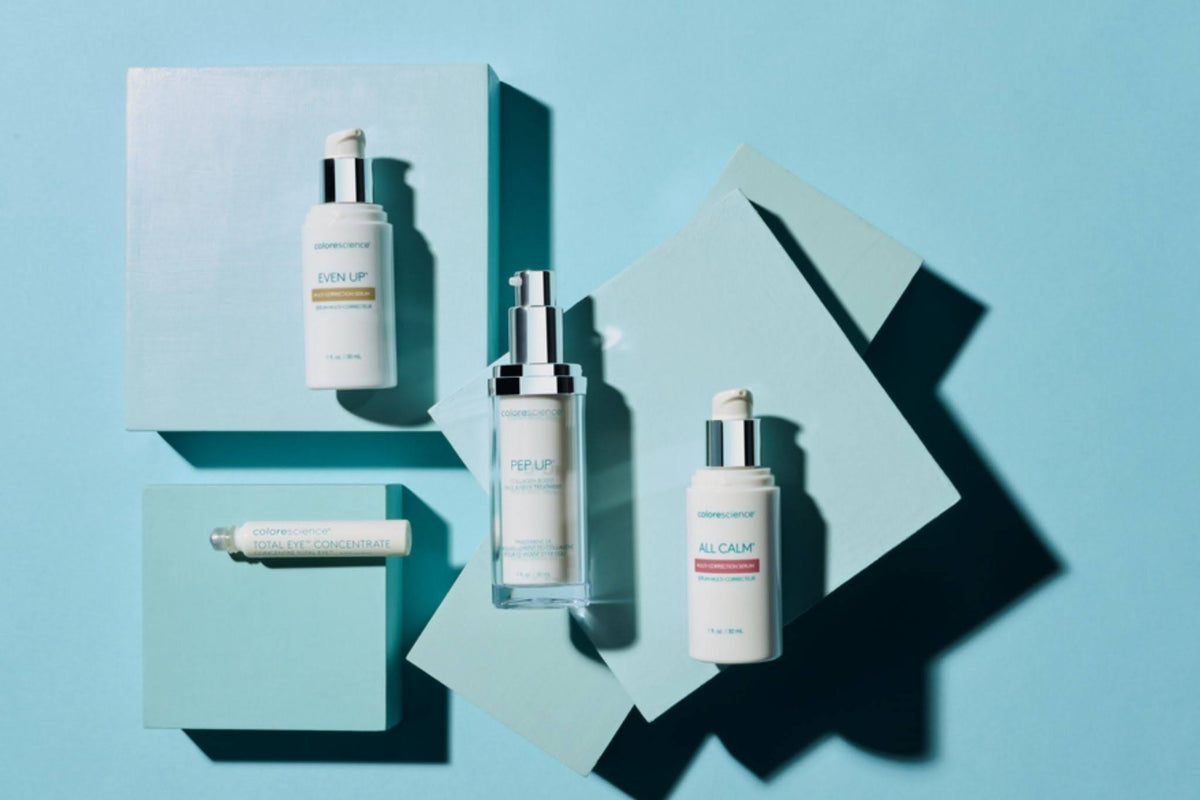
Even Up® Clinical Pigment Perfector® SPF 50 was built with this challenge in mind. A clinically proven pigment corrector, it instantly blurs the look of dark spots while its all-mineral SPF 50 defends against UVA, UVB, and HEV-induced discoloration. The soft tint color-corrects right away, so your skin looks more even the moment you apply, while the formula works toward a smoother, brighter tone over the long run. You can see the wider range in the Colorescience pigmentation collection.
Finding the best mineral sunscreen for melasma-prone skin
If a mineral formula is your preference, you are in good company, since many skin health professionals point melasma-prone patients toward all-mineral, tinted options. For the best mineral sunscreen for melasma-prone skin, look for zinc oxide and titanium dioxide handling the SPF duty, iron oxides adding that visible-light defense, and a texture light enough for everyday wear. Even Up® Clinical Pigment Perfector® SPF 50 brings each of those pieces together in a single step, which is a welcome shortcut when you want real protection and a more even look without a long, fussy routine.
What If you have melasma and sensitive skin?
Melasma and sensitivity often travel together, especially if you are also using brightening treatments that can leave skin a little reactive. For the best sunscreen for melasma and sensitive skin, a gentle all-mineral formula is a thoughtful starting point. Mineral filters such as zinc oxide are well tolerated by many people with easily irritated skin, and a non-comedogenic, broad-spectrum formula keeps the rest of your routine calm and simple. All-mineral, tinted formulas also suit a wide range of skin tones and skin types, so most people can find a comfortable fit. As always, a quick conversation with your dermatologist is wise before adding anything new, since melasma care is personal and what suits one person may not suit another.
How to wear your sunscreen so It really works
Even the smartest formula needs good habits behind it. A few easy pointers go a long way:
- Apply a generous layer every single morning, rain or shine, since visible light reaches you on cloudy days too.
- Reapply at least every two hours while outdoors, and again after swimming or heavy sweating.
- Cover the spots people often miss, like the hairline, ears, and jawline.
- Pair your sunscreen with a wide-brimmed hat and shade when the sun is at its strongest.
Daily protection is the quiet hero of melasma care. When you make it feel easy and pleasant, you stick with it, and that steady habit is what protects the progress you have worked so hard for.
Ready to build a routine around your skin? Browse the full range at Colorescience and give your melasma-prone skin the complete, wearable protection it deserves.
Frequently asked questions
Can sunscreen make melasma worse?
Sunscreen does not cause melasma, but an incomplete formula or a skipped reapplication can leave pigment-triggering light unchecked. A broad-spectrum, tinted mineral SPF worn daily helps close that gap.
What SPF is best for melasma-prone skin?
Look for broad-spectrum SPF 30 or higher, and reach for SPF 50 on longer days outside. Pair the number with an iron oxide tint so you also get visible-light defense.
Why does a tinted sunscreen help with melasma?
A tinted sunscreen with iron oxides helps block blue light, which clear sunscreen often misses. That extra layer supports a more even tone alongside your usual UV protection.
Is mineral sunscreen a good choice for sensitive, melasma-prone skin?
All-mineral formulas with zinc oxide tend to be gentle, making them a sensible pick for reactive skin. Check with your dermatologist to personalize the plan for you.