
Retinoids can do wonderful things for your skin. Smoother texture, fewer fine lines, a brighter and more even tone. However, vitamin A ingredients can leave your skin more sensitive to the sun, so your daytime routine matters as much as your nighttime one.
"Retinoid" is the umbrella term for all vitamin A–based skin care ingredients. Retinol is the over-the-counter version you can pick up without a prescription. Tretinoin is the stronger, prescription-strength form your dermatologist may prescribe. Both belong to the retinoid family, both can increase sun sensitivity, and the same protective habits apply to each.
The American Academy of Dermatology (AAD), the leading society for board-certified dermatologists, confirms that retinoids have been a trusted tool in skin care since 1971, when the FDA first approved tretinoin for acne. Dermatologists noticed that beyond clearing breakouts, retinoids also spur collagen production and improve skin tone over time. The AAD recommends starting with the lowest strength you can find, using it every other night to start, and always pairing daytime use with sun protection. A few simple habits keep your skin protected while you enjoy the benefits of using a retinoid.
Do retinoids make skin more sensitive to sun?
Yes, they can. But that is not a reason to skip using retinoids. Sun sensitivity is manageable with SPF protection and sun safety habits.
How sun exposure interacts with retinoids like tretinoin
Retinoids work by speeding up how fast your skin makes new cells. That fresh, newly surfaced skin is thinner and more delicate at first, which is part of why it can react more to sunlight. According to the Cleveland Clinic, retinoids make your skin more sensitive to sunlight, so sunscreen and smart sun habits become non-negotiable while you use them.
Because retinoids increase cell turnover and can temporarily thin the skin's outer barrier, skin may become more vulnerable to UV damage, making daily sun protection essential. Fresh skin cells plus strong sun can mean more redness, dryness, and irritation. In some cases, unprotected skin on a retinoid can burn more easily, which is where the worry about sunburn comes from. The Cleveland Clinic notes that people using retinoids may sunburn more easily, so daily SPF and shade both help. For the anti-aging side of the story, Harvard Health explains how retinoids build collagen over time
Can you use retinoids during the day?
Prescribing healthcare professionals recommend using retinoids at night. Your skin does most of its repair work while you sleep, so nighttime application tends to be the gentler, more effective choice. Retinoids also pair well with an evening routine. If you do apply one during the day, wearing a broad-spectrum mineral sunscreen is a good idea to help keep your skin protected.
Harvard Health points out that doctors often suggest starting retinoids every other night, then building up slowly, and always wearing sunscreen during the day because retinoids increase the skin's sensitivity to sunlight.
Standard retinoid morning and evening routines
Morning: Cleanse, moisturize, and finish with broad-spectrum SPF.
Evening: Cleanse, apply your retinoid, then moisturize.
Can you use retinoids in the summer?
Yes. Can you use them without raising your risk? Absolutely, as long as your sun protection meets the recommended baseline and is reapplied consistently.
Summer just asks for a little more attention. Longer days, stronger rays, and more time outside all add up. It means you reapply your sunscreen more often, seek shade during peak hours, and keep your skin well hydrated. Some people ease off their retinoid during prolonged times out in the sun such as beach days, sporting events, and outdoor summer activities. That flexibility is smart, not a failure.
How to protect your skin when using retinoids
Wondering how to protect your skin on tretinoin and other retinoids without adding ten steps to your routine? It comes down to a few reliable tips you can keep up with.
-
Wear broad-spectrum SPF every morning. Rain or shine, near windows or out running errands, sunscreen is your daily anchor.
-
Reapply through the day. SPF fades with time and sweat, so a midday refresh keeps you covered.
-
Layer on hydration. Retinoids can be drying, and a moisturizer that replenishes hydration and provides barrier support.
-
Use hats and find shade. A wide-brimmed hat covers your face, ears, neck, and scalp, areas that get a lot of direct sun. It also cuts down on glare, which can reduce eye strain. Stepping into the shade lowers your chance of sunburn and helps limit the kind of cumulative sun exposure that speeds up visible aging. Think of hats and shade as extra layers of protection that work alongside your sunscreen, not instead of it.
-
Build your usage. When it comes to how often you apply your retinoid, there is no single answer. It depends on whether you are new to retinoids or have used them before, the type of retinoid, and the strength of your formula. Starting every other night is a common approach, but your dermatologist can recommend the right routine based on your skin and your specific product.
The Skin Cancer Foundation recommends a complete sun protection approach that goes beyond sunscreen alone. Their guidelines suggest combining broad-spectrum SPF with protective clothing, wide-brimmed hats, shade-seeking, and avoiding peak sun hours — all habits that become even more important when your skin is sensitized by retinoids.
Best sunscreen to use with retinoids
When you are choosing the best sunscreen to use with tretinoin and other retinoids, think comfortable, hydrating, and broad-spectrum. Sensitive, resurfacing skin does best with a formula that protects and soothes at the same time.
Many skin health professionals trust and recommend all-mineral protection for daily wear, especially when skin is resurfacing. Colorescience mineral sunscreens are powered by EnviroScreen® 5-Point Protection against UVA/UVB, HEV/blue light, infrared radiation, and pollution, plus free radical defense. That is meaningful backup for skin working hard overnight.
Zinc oxide has a long history as a mild, soothing ingredient. It is the same active found in calamine and diaper-rash products, so it can help offset some of the redness and irritation that retinization causes rather than adding to it.
Because mineral actives are gentler as a base, formulators have more room to add barrier-supportive ingredients like niacinamide, peptides, and antioxidants without compounding irritation. That means the sunscreen can double as active barrier repair, not just a protective layer. Our Total Protection® Face Shield products, for example, contain niacinamide to help calm inflammation and strengthen the skin barrier, which is exactly what retinoid-treated skin may appreciate.
One more thing worth watching for on the label. Fragrance, essential oils, and alcohol can show up in any sunscreen formula, and all three can sting or dry out skin that is already sensitized by a retinoid. Colorescience mineral sunscreens are formulated without them, so there is one less thing to worry about while your skin adjusts.
Our recommended sunscreens
-
Lightweight and Tinted: The Sunforgettable® Total Protection® Face Shield Flex SPF 50 is a lightweight, tinted mineral formula. It also contains niacinamide, an ingredient known to help soothe skin, support the skin barrier, and balance oil, which is a nice pairing for retinoid users. As a tinted sunscreen with iron oxides, it helps block blue light too, and it comes in six shades made for a wide range of skin tones and skin types.
-
No Tint: Prefer no tint at all? The Total Protection® No-Show™ Mineral Sunscreen SPF 50 melts in with no white cast and suits a wide range of skin tones and skin types.
-
Luminous Finish: Want a soft, lit-from-within finish? The Sunforgettable® Total Protection® Face Shield Glow SPF 50 gives a dewy glow with the same all-mineral protection.
You can browse the full Total Protection® Face Shield collection to match your skin and routine.
Skincare to use with retinoids to keep skin calm
Dryness and flaking are the most common retinoid complaints, and the right skincare to use with retinoids makes a real difference.
Use the Barrier Pro™ Collection Trio for complete barrier support. Start with Barrier Pro™ Serum Spray; it helps strengthen the skin's barrier and supports microbiome balance with pre-, pro-, and postbiotic benefits. Proprietary adapDvate™ Technology helps promote the skin's natural ability to synthesize essential vitamin D for immunity support and immediate radiance. It's the first of its kind: Colorescience UV-free vitamin D support.
Use the Barrier Pro™ Collection Trio for complete barrier support. Start with Barrier Pro™ 1-Step Cleanser, a gentle, multi-benefit cleanser that removes mineral sunscreen and makeup in a single step without stripping skin. Its probiotic-like benefits from Lactobacillus Ferment help support microbiome balance, while Prickly Pear Cactus Extract soothes and hydrates. It's fragrance-free, non-comedogenic, and leaves skin feeling refreshed and ready for what comes next.
After cleansing, follow with Barrier Pro™ Serum Spray; it helps strengthen the skin's barrier and supports microbiome balance with pre-, pro-, and postbiotic benefits. Proprietary adapDvate™ Technology helps promote the skin's natural ability to synthesize essential vitamin D for immunity support and immediate radiance. It's the first of its kind: Colorescience UV-free vitamin D support.
After applying your retinoid at night, you may want to wait a few minutes to let it absorb before following up with a moisturizer. Cleveland Clinic recommends finishing with a moisturizer that will not clog pores, meaning a noncomedogenic formula. A dedicated option like Barrier Pro™ Essential Moisturizer goes beyond basic hydration to support your skin's barrier and help replenish what retinoids can sometimes strip away.
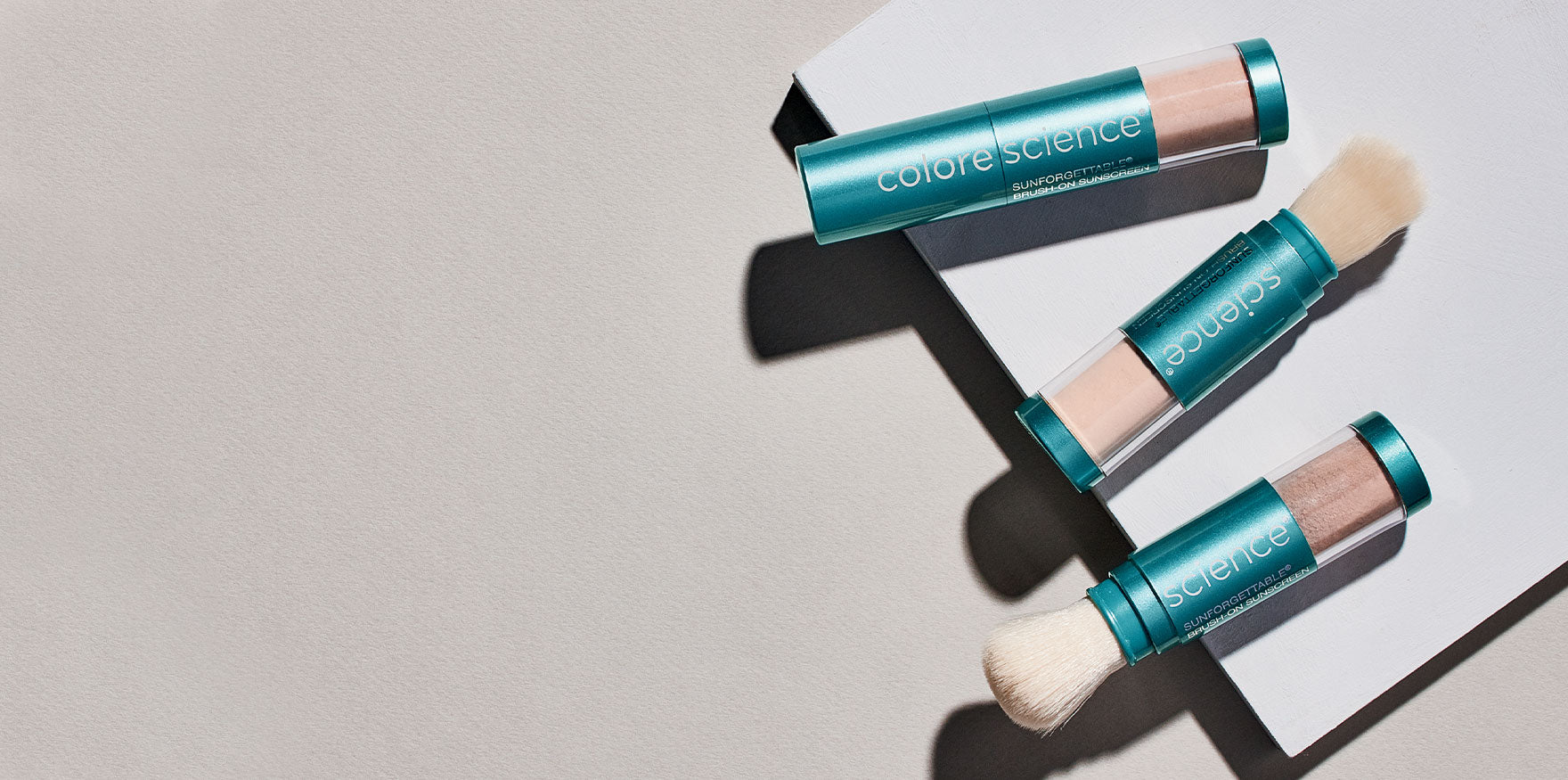
In the morning, moisturize before your SPF so skin stays comfortable all day. For environmental defense, you may want to consider a mineral sunscreen like our Sunforgettable® Total Protection® Face Shield Flex SPF 50. Most skin health professionals trust and recommend Flex for daily 5-Point Protection against UVA/UVB, blue light, infrared radiation, and pollution.
Can you use a retinoid year-round?
Yes. Retinoid sun sensitivity does not mean giving up your results. It means protecting them.
Want gentler options or more on how these ingredients fit into a bigger routine? Colorescience shares guidance in its anti-aging skincare resources and derm-approved retinol alternatives. We also break down the difference between retinol and retinyl palmitate.
Smart nights, protected days. That is the protocol that keeps the glow without frying your skin.
Frequently Asked Questions
Does retinoid make skin sensitive to sun?
Yes. Retinoids speed up skin cell turnover, which can leave fresh skin more reactive to sunlight. Daily broad-spectrum SPF and shade help protect it while you get the benefits.
Can you use retinoids during the day?
You can, but most people apply them at night. Sunlight can break down some forms of vitamin A, and skin repairs best overnight, so evening use is the gentler pick.
Can you use retinoids in the summer?
Yes. Summer just calls for more diligent sun protection. Reapply sunscreen often, seek shade at peak hours, and keep skin hydrated.
What is the best sunscreen to use with retinoids?
A comfortable, hydrating, broad-spectrum mineral formula is a popular choice for resurfacing skin. Sunforgettable® Total Protection® Face Shield Flex SPF 50 offers 5-Point Protection plus soothing niacinamide.
What moisturizer should I use with retinoids?
A noncomedogenic formula that will not clog pores is ideal. Apply it after your retinoid at night and before SPF in the morning to ease dryness and flaking.