
If your skin flushes, stings, or turns red at the first hint of sun, you already know how tricky sun protection can feel. Maybe you have tried a sunscreen before and ended up redder or more irritated than when you started. You are not alone, and you are not doing anything wrong.The right sunscreen for rosacea can sit comfortably on reactive skin while helping to keep flare-ups in check. Here is a simple, friendly guide to what actually works, what to skip, and how to shop with a little more confidence next time.
Why Does the Sun Trigger Rosacea Flare-Ups
Sunlight is one of the most common reasons rosacea acts up. When UV rays reach sensitive skin, they can widen the tiny blood vessels under the surface, spark inflammation, and leave your cheeks looking flushed and warm. Research shows sun exposure is a leading trigger for most people with rosacea, which is why daily protection matters so much when you live with redness.
A steady routine of seeking shade, covering up, and wearing sunscreen gives your skin a real chance to stay calm. Think of sun protection less as a summer-only task and more as a small daily habit that pays off all year. Even a quick errand run on a bright day counts, so a sunscreen you enjoy wearing makes staying consistent far easier.
Can Sunscreen Make Rosacea Worse?
It depends. The right formula helps, but the wrong one can sting, feel heavy, or set off a flush. Rosacea skin often reacts to fragrance, alcohol, and thick textures that sit greasy on the surface. Some formulas also leave a warm, tight feeling that’s not suitable for reactive skin.
The solution is not to give up on SPF, because skipping it leaves your skin open to the very flare-ups you are trying to avoid. The solution is knowing what ingredients to look for on the label. Once you can spot a gentle formula, choosing your next sunscreen gets a whole lot easier.
What Ingredients in Sunscreen Should Rosacea Skin Avoid?
Reactive skin like rosacea tends to do best with a short, gentle ingredient list. Avoid the following ingredients:
- Added fragrance or essential oils, which are frequent causes of stinging and redness
- Alcohol (often listed as denatured or SD alcohol), which can dry out and irritate
- Heavy oils or waxy textures that feel thick and stay greasy
- Strong exfoliating acids blended into the same formula
A simpler label often means fewer surprises for your skin. If an ingredient list feels crowded with things you cannot pronounce, that is a fair reason to pause and read a little closer before you buy. When in doubt, a formula built for sensitive skin is usually a safer bet than one made for everyday use, since it is designed with easily irritated skin in mind.
What to Look for in the Best Sunscreen for Rosacea
When picking the best sunscreen for rosacea and redness-prone skin, keep an eye out for:
- Mineral filters like zinc oxide or titanium dioxide, gentle choices that skin health professionals often recommend for sensitive skin
- Broad-spectrum SPF 30 or higher for daily UVA and UVB defense
- Fragrance-free, hypoallergenic, and non-comedogenic on the label
- Soothing ingredients such as niacinamide and bisabolol
- A subtle tint that helps even out the look of redness
A mineral sunscreen for rosacea can multitask as a calming step in your routine when it carries the right soothing extras. A tinted sunscreen with iron oxides not only provides sun protection, but also helps to block blue light from screens. SPF with a gentle green or peachy tint can visually cancel some of that flushed look the moment you apply, so skin appears more even right away.
Colorescience Mineral Sunscreens for Rosacea
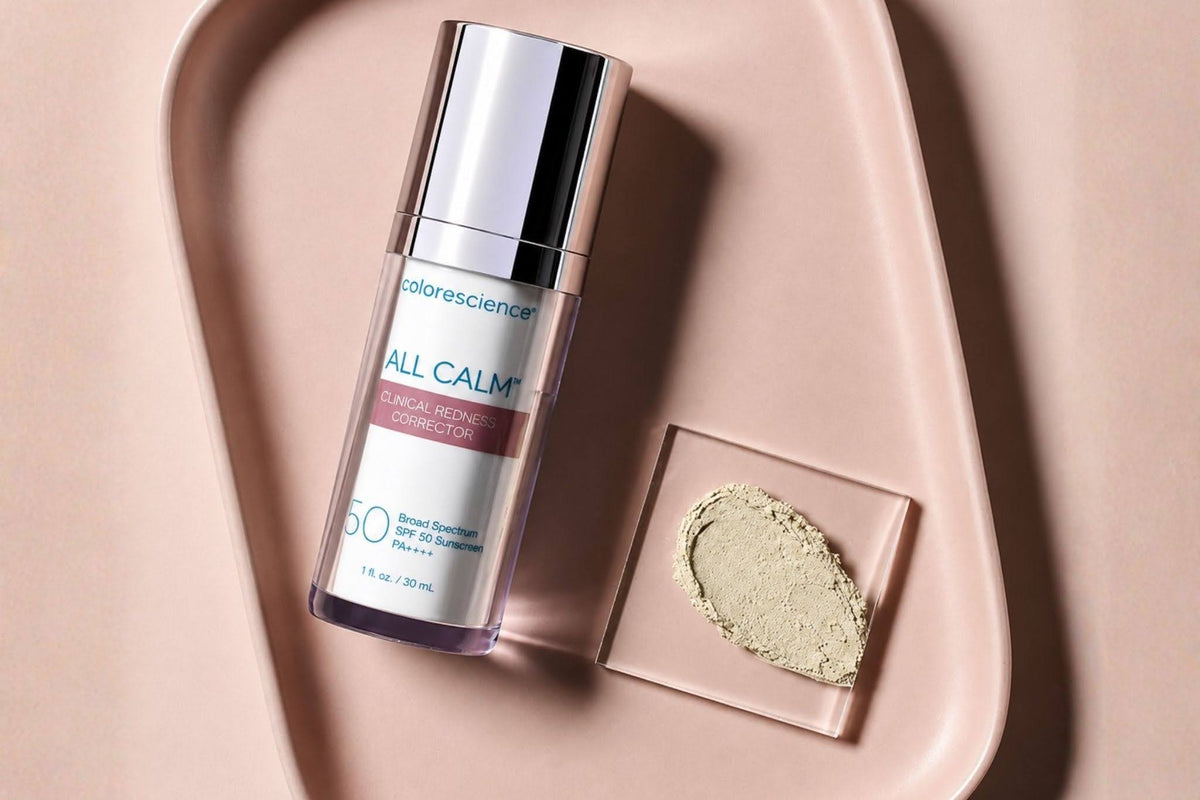
All Calm® Clinical Redness Corrector SPF 50
For redness-prone skin, the All Calm® Clinical Redness Corrector SPF 50 pairs all-mineral SPF for rosacea with a green-tinted formula that helps neutralize the look of redness on contact. In a 12-week clinical study, 100% of participants reported their facial redness looked less noticeable, and 93% agreed their skin felt smoother and softer. Most skin health professionals recommend a soothing, tinted mineral SPF like All Calm® SPF as a calm, dependable daily sun protection product.
Sunforgettable® Total Protection® Face Shield Glow SPF 50
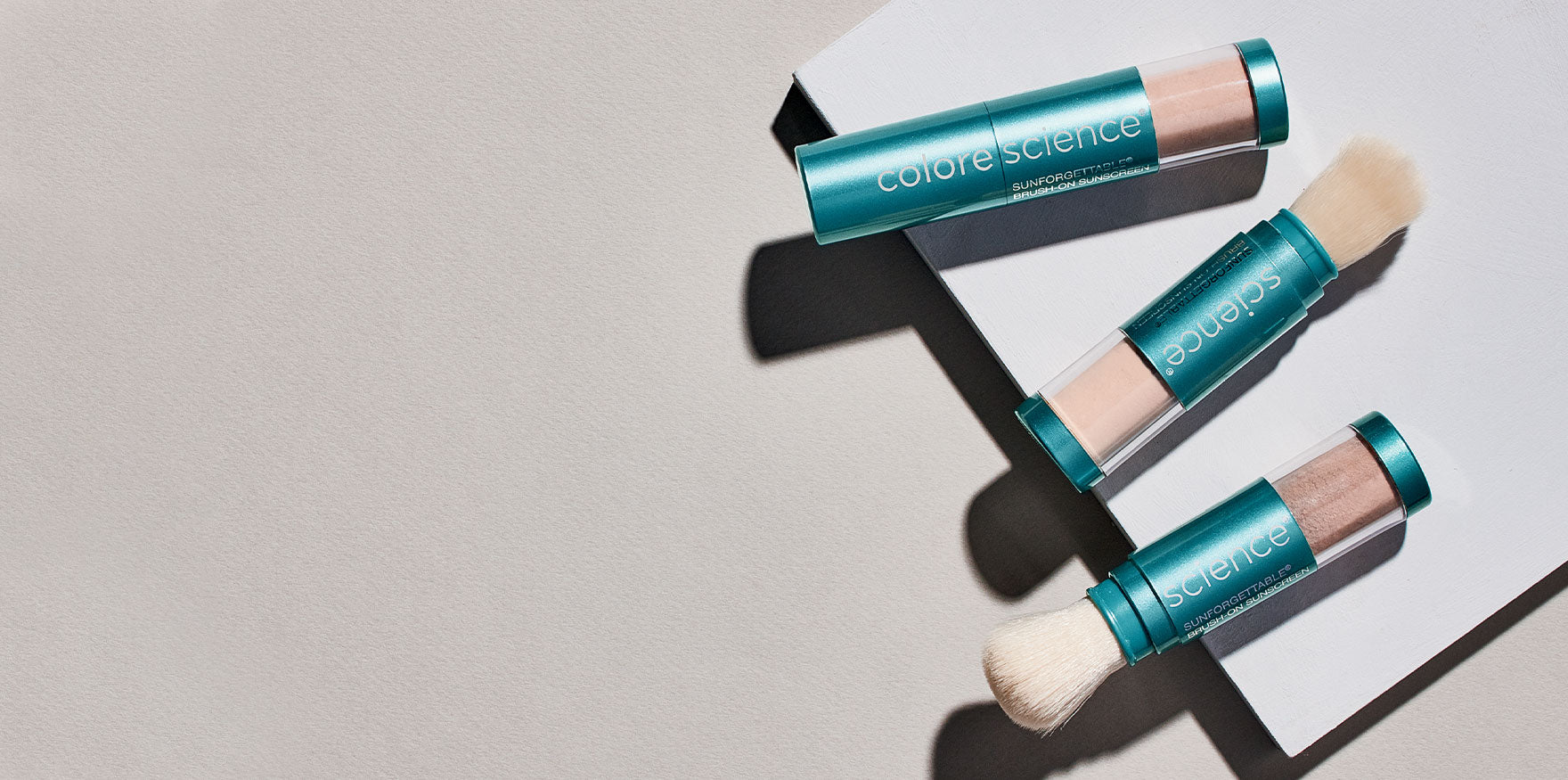
If you prefer a lighter option with a natural glow, the Sunforgettable® Total Protection® Face Shield Glow SPF 50 offers all-mineral broad-spectrum coverage with a hydrating, antioxidant-rich feel. Powered by EnviroScreen® Technology, the formula guards against UVA, UVB, pollution, blue light, and infrared radiation, while its niacinamide helps soothe skin and support the barrier. The dewy, fragrance-free finish suits a wide range of skin tones and types.
How to Wear SPF for Rosacea Without Causing a Flareup
A gentle application matters just as much as the formula. A few easy steps go a long way:
- Start with clean, moisturized skin so your sunscreen glides on smoothly.
- Apply a nickel-sized amount to your face.
- Press it in softly instead of rubbing hard, which can heat up the skin and spark a flush.
- Reapply every two hours, especially when you are outdoors or in the heat.
Patch testing a new product on your neck for a day or two is recommended for sensitive skin. Once you find a formula that feels good and calm, wearing it daily becomes easy. Protecting rosacea-prone skin does not have to mean redness or discomfort. With a gentle mineral formula and a steady daily habit, you can feel more confident and more comfortable every time you step outside.
Sunscreen for Rosacea FAQs
What sunscreen is best for rosacea?
A gentle, broad-spectrum mineral sunscreen with zinc oxide or titanium dioxide tends to suit rosacea best. Fragrance-free formulas with soothing ingredients and a light tint are especially kind to reactive, redness-prone skin.
Can sunscreen make rosacea worse?
Yes, if a formula contains fragrance, alcohol, or heavy textures that irritate sensitive skin. Choosing a soothing, mineral option lowers that risk and helps keep redness calm and comfortable.
What ingredients should rosacea skin avoid in sunscreen?
Added fragrance, essential oils, and drying alcohols are common triggers worth avoiding. Heavy, greasy textures can also feel uncomfortable, so a short, simple ingredient list is your best friend.