
When it comes to sun safety, knowledge is power.
Skin cancer statistics, sun safety awareness, and the rise in the rates of melanoma have many of us taking our sun care more seriously. If you’re looking for ways to keep your skin radiant and safe from the sun’s UV rays, give your sunscreen selection the due diligence it deserves.
With so many options, it’s important to look for sunscreen and mineral cosmetics that offer the protection you need for year-round essential skin care. But that can be easier said than done.
Sun protection ratings and labels are meant to inform and are designed to make it easier to choose the right products for your skin; unfortunately, the vast array of labels, testing stipulations, and regulations can be overwhelming. In recent years, you’ve likely seen a host of sunscreens with “PA++++” ratings.
Let’s decode this rating and help you find SPF 50, PA++++ sunscreen solutions that can keep you protected.
Why Protecting Your Skin is Important
Before we delve into the mysteries of PA++++ rating systems, it’s essential to take a look at why sunscreen and sun protection are so important.
Whether you’re lying on a sunny beach or sledding in the snow, any time you’re outside—regardless of season—your skin is hit with ultraviolet radiation.
You’ve likely experienced a sunburn at least once in your life. Red, tender skin that feels warm and swollen is the hallmark of the average sunburn. If you took a look at your sunburned skin under a microscope, you’d spot damaged skin cells and blood vessels. Over time, repeated sunburns can lead to dry, discolored, leathery skin that bruises easily.
While sunburn is an immediate, visible danger of spending too much time in the sun, the damage goes much deeper.
Exposure to UV rays can lead to DNA damage in your skin cells, which can lead to skin cancer. Even if you rarely tan or burn, UV exposure still damages your skin.
Types of UV Rays
When it comes to ultraviolet radiation, there are three different categories:
UVA rays
This type of radiation penetrates deep into the skin, and may lead to premature skin aging and cancer. UVA also darkens skin (which is how UVA protection is measured) and drives much of the long-term damage behind photoaging.
UVB rays
This type of radiation is the main cause of sunburn and plays a key role in skin cancer.
UVC rays
This type of radiation is absorbed by the earth’s ozone layer, so it doesn’t reach your skin. Luckily, this is one type of UV radiation you don’t need to worry about.
The ultimate goal of sunscreen is to shield your skin against UVA and UVB rays, both of which damage our skin and can cause skin cancer.
Why UVA deserves extra attention: UVA makes up about 95% of the UV radiation that reaches the earth’s surface. Its levels stay fairly steady through the day and across the seasons, and it passes through clouds and window glass. Because it reaches deeper into the skin, UVA breaks down collagen and elastin and triggers pigment production. Over time, that shows up as fine lines, loss of firmness, dark spots and melasma that keeps coming back. That’s why a high SPF alone isn’t enough; you need strong UVA protection too.
How Sunscreen Works
To understand the rating systems used on your favorite products, it’s important to know how sunscreen protects your skin.
Sunscreens can come in a variety of forms: lotions and mineral powders tend to be the most popular options. Sunscreen products use inorganic (mineral) filters, organic (chemical) filters, or a mix of both.
Inorganic chemicals
This includes minerals like zinc oxide or titanium dioxide, which are mineral UV filters. They sit on the skin's surface and mostly absorb UV, with a small amount reflected and scattered. If you’ve ever seen photos of lifeguards with white noses, you’ve seen these inorganic chemicals. With modern technology, companies have been able to make these particles smaller, so those familiar white stripes are seen less and less.
Organic chemicals
This includes ingredients such as oxybenzone or avobenzone. These ingredients are able to absorb UV radiation, and convert it into a small amount of heat.
Sunscreen Rating Systems
In the US, most people are familiar with the Sun Protection Factor (SPF) — your sunscreen or cosmetic’s ability to shield your skin from UVB rays. SPF compares how much UV exposure it takes to burn skin with sunscreen applied properly versus without it. It isn't a timer, which is why reapplying matters.
For example, SPF 30 means it takes about 30 times more UVB exposure to burn protected skin than bare skin, when tested with a generous, even layer in the lab.
While no sunscreen blocks 100% of UVB rays, SPF generally measures how well sunscreen protects you. The higher the SPF, the higher the percentage of protection offered. Does this mean you should opt for the highest SPF available? Not necessarily, but for your daily sunscreen, we recommend SPF 30 or higher, and SPF 50 gives you extra margin since most people apply less than they need.
To better demonstrate why, let’s break down SPF levels further:
- SPF 15 blocks 93%
- SPF 30 blocks 97%
- SPF 50 blocks 98%
- SPF 100 blocks 99%
As you can see, the difference in protection becomes minimal beyond SPF 30.
It’s important to remember that all sunscreen should be reapplied at least every two hours regardless of its SPF rating. If you’re going to be sweating or swimming, it’s recommended that you reapply even more frequently–every 40 to 80 minutes.
So, if SPF measures a product's ability to block UVB rays, what does PA++++ mean? Let’s take a look at SPF vs. PA++++ in sunscreen.

PA++++ Sunscreen Meaning
PA stands for Protection Grade of UVA, so PA+ ratings measure a product’s ability to block UVA rays.
You’ll spot PA ratings on a variety of sunscreens, healthy makeup, and skin care products.
Developed in Japan, the PA rating system was adapted from the Persistent Pigment Darkening (PPD) method. This test uses UVA radiation to cause a persistent darkening—tanning—of the skin to compare how much UVA it takes to cause that darkening with and without sunscreen.
In theory, a sunscreen with a PPD rating of 10 should allow an individual to handle 10 times as much UVA exposure. PPD is measured with a standardized method (ISO 24442), and different regions present the results in different ways.
Rather than show the PPD number itself, many regions convert it into their own scoring system.
Regions communicate UVA protection differently: the US uses a pass/fail 'Broad Spectrum' test, the EU requires UVA protection of at least one-third of the SPF, and Japan and Korea use PA grades. In Japan, PPD results are grouped and simplified into PA measurements.
These conversions go as follows:
- If a product’s PPD = 2 to under 4, PA = PA+
- If a product’s PPD = 4 to under 8, PA = PA++
- If a product’s PPD = 8 to under 16, PA = PA+++
- If a product’s PPD = 16 or higher, PA = PA++++
It’s important to note that not all countries use PA grades, even though the underlying PPD test is standardized.
Here’s how UVA protection shows up on sunscreen labels around the world:
| Region | How UVA protection is shown | What it means |
| United States | "Broad Spectrum" | Pass/fail test: critical wavelength of 370 nm or higher |
| European Union | UVA logo (letters in a circle) | UVA protection at least 1/3 of the labeled SPF |
| Japan and Korea | PA+ to PA++++ | Graded by PPD; PA++++ means PPD of 16 or higher |
| United Kingdom | Boots star rating (1-5 stars) | UVA protection relative to UVB; more stars means a better balance |
| Australia | “Broad Spectrum” (AS/NZS 2604) | UVA protection at least 1/3 of the labeled SPF |
Ultimately, PA+ means you’ll have some protection from UVA rays, with more plusses indicating a higher level of protection. Currently, the highest level of protection you can get from UVA rays is PA++++.
Because of the way PA sunscreens are categorized, it can be difficult to determine the difference in sun protection; for example, a sunscreen with a PPD of 20 and a sunscreen with a PPD of 40 would both be rated PA++++, since the grade tops out at a PPD of 16. That means PA++++ can't tell you which of the two offers more UVA protection.
Additionally, there’s no way to discern between the ranges of PPD, so it’s safer to assume that it protects at the lowest PPD. For instance, a sunscreen with PA++++ has a PPD of 16 or higher, but you should assume that it protects at 16. In practical terms, that’s at least 16 times the UVA protection of bare skin, under lab conditions.
Here’s an easy guide when shopping for sunscreens and cosmetics that utilize the PA++++ rating: the more plus signs on your product, the better.
Does PA++++ Sunscreen Provide Full UVA Coverage?
While SPF 50 and PA++++ sunscreen offer strong protection against UVB and UVA rays, remember that no sunscreen provides complete protection from the sun. PA++++ is the highest rating for UVA protection, but it doesn’t guarantee total blockage.
Various factors influence the impact of UVA rays on your skin, such as:
- Sunscreen formulation
- How much sunscreen you apply
- How often you reapply
- Your individual skin type
While PA++++ indicates high UVA defense, achieving optimal protection requires proper application and consistent reapplication—especially during prolonged sun exposure.
Recent Changes to the PA++++ Rating System
As mentioned, Japan was the first country to start using the PA rating system. It was upgraded to PA++++ in 2013, with non-Japanese brands following suit in recent years. Korea and several other Asian markets use the same scale.
What is Broad Spectrum?
“In the treatment room, I saw what UVA does over years, not days. It doesn’t announce itself with a burn, but it shows up as pigment that keeps coming back and texture that changes slowly. That’s why I look past the SPF number and check that a sunscreen protects well into the UVA range.” — Alex Lang, Director of Global Education
A PA rating such as PA++++ (at least 16 times the UVA dose needed to cause persistent tanning, under lab conditions) only measures UVA protection. On the other hand, SPF only measures UVB rays. Both UVA and UVB contribute to premature aging and skin cancer, including melanoma, so it’s crucial to determine your level of protection from both UVA and UVB rays when choosing a skincare product.
If a sunscreen passes FDA’s broad spectrum test, it can be labeled Broad Spectrum. In the United States, that label is how you know a product has been tested for both UVA and UVB protection. For example, Colorescience mineral sunscreens offer broad-spectrum protection.
Discover our FSA eligible sunscreen collection featuring mineral-based powders, liquids, and more for reliable family protection.
What is the Best Measure of Sunscreen Effectiveness?
There is no singular measurement of sunscreen effectiveness.
PA++++ sunscreen is the highest PA grade for UVA protection, while products with an SPF of 30 or higher are recommended for UVB protection. Ultimately, your sunscreen should be broad spectrum if you want the best defense against the sun.
Tips for Sun Protection
Wear sunscreen each and every time you head outside, and follow these sunscreen tips to ensure you’re as protected as possible:
-
Reapply your sunscreen: Apply 15 minutes before going outside and reapply at least every 2 hours, or right after swimming, sweating or toweling off, according to the label's 40- or 80-minute water resistance.
-
Apply enough: Use about 1/4 teaspoon for your face and about 1 ounce (roughly a shot glass) to cover exposed areas of your body. Most people use far less, which lowers the protection they actually get.
-
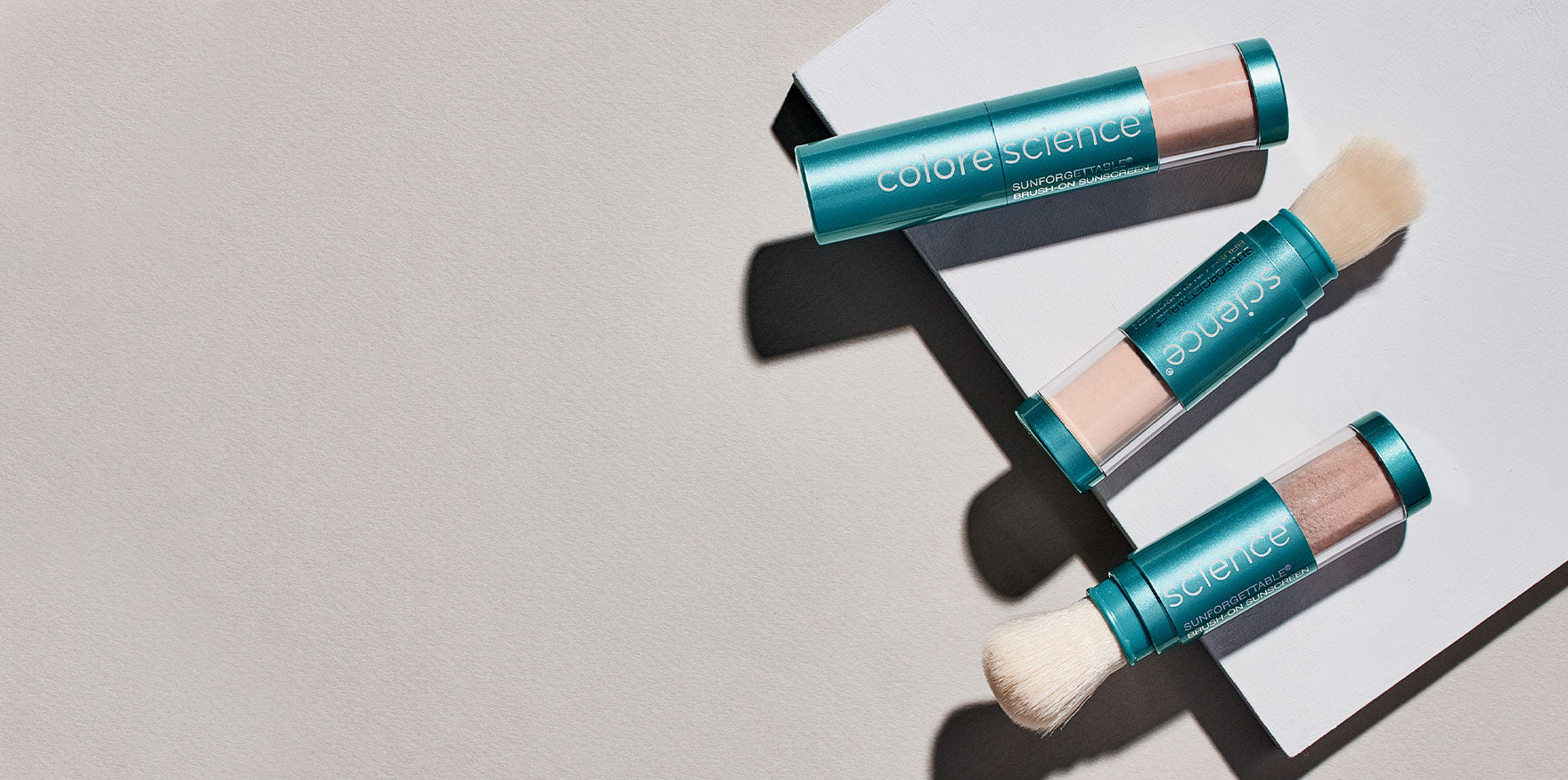
Reapply over makeup: A brush-on mineral powder SPF, like Sunforgettable® Total Protection® Brush-On Shield SPF 50, makes midday reapplication easy without disturbing your makeup.
“Most people apply about half the sunscreen they need, which means the SPF on the label isn’t the SPF they’re getting. A generous first layer in the morning and a quick powder layer midday is the routine I’ve seen people actually stick with.” — Alex Lang, Director of Global Education
-
Use multiple protection methods: For most of us, the best protection comes through a combination of methods. Pair sunscreen with protective clothing, a wide-brimmed hat and sunglasses, and seek shade between 10 a.m. and 4 p.m., when UV is strongest.
-
Take note of the labels and ratings on your products. Look for Broad Spectrum and SPF 30 or higher on the label; a PA++++ grade is useful extra information.

Your skin deserves to be protected, whether you’re heading to the beach or running errands in the fall. Understanding the way your skincare protects your skin from sun damage is crucial.
How Do You Know If a Sunscreen Is PA++++?
PA ratings aren't part of US sunscreen labeling. When a US brand lists a PA grade, it usually comes from testing to the international PPD method. It's useful extra information, but 'Broad Spectrum' is the US standard to look for. Many sunscreen brands don’t list a PA rating at all.
Instead, you might see SPF and the term “broad spectrum.” Remember, broad spectrum means that your sunscreen protects from both UVA and UVB rays.
The FDA has rules for labeling sunscreen, and products must go through rigorous testing in order to be labeled as broad-spectrum. In the US, FDA doesn't use the PA system. A sunscreen earns the 'Broad Spectrum' label by passing FDA's UVA test, which checks that protection extends into the longer UVA wavelengths (a critical wavelength of 370 nm or higher). Only broad-spectrum sunscreens of SPF 15 or higher may state that they help reduce the risk of skin cancer and early skin aging when used as directed with other sun protection measures.
What Else to Look for on a PA++++ Sunscreen Label
Some US brands list a PA rating alongside SPF as extra information. When shopping for a PA++++ sunscreen, you should look for the following:
- Broad spectrum: The term broad spectrum tells you the sunscreen protects against UVA and UVB rays. SPF and PA are tested separately, so a high SPF doesn’t guarantee a high PA grade.
- Exact PA rating: Sunscreen brands aren’t required to provide a PA rating in the US, but it’s better if you can find one that does. PA++++ is the highest grade of UVA protection.
- SPF level: Knowing how much protection you receive from UVB rays is just as important as a sunscreen’s PA rating. Look for an SPF of 30 or higher for the best level of protection.
- Active ingredients: You can check the active ingredients list on the label to determine whether it uses mineral filters (zinc oxide, titanium dioxide), chemical filters, or both. FDA has proposed that zinc oxide and titanium dioxide are generally recognized as safe and effective. For 12 other filters, it has asked manufacturers for more data. That's a request for information, not a finding of harm.
- Water resistance: Sweat and water can wear sunscreen off. Look for a label that says water resistant (40 minutes) or very water resistant (80 minutes), and reapply when that time is up.
What Is the Best PA++++ Sunscreen?

Looking for the factors above can help you find the best sunscreen for you. We recommend sunscreen and cosmetics that use mineral UV filters like zinc oxide and titanium dioxide.
A few PA++++ options include the following:
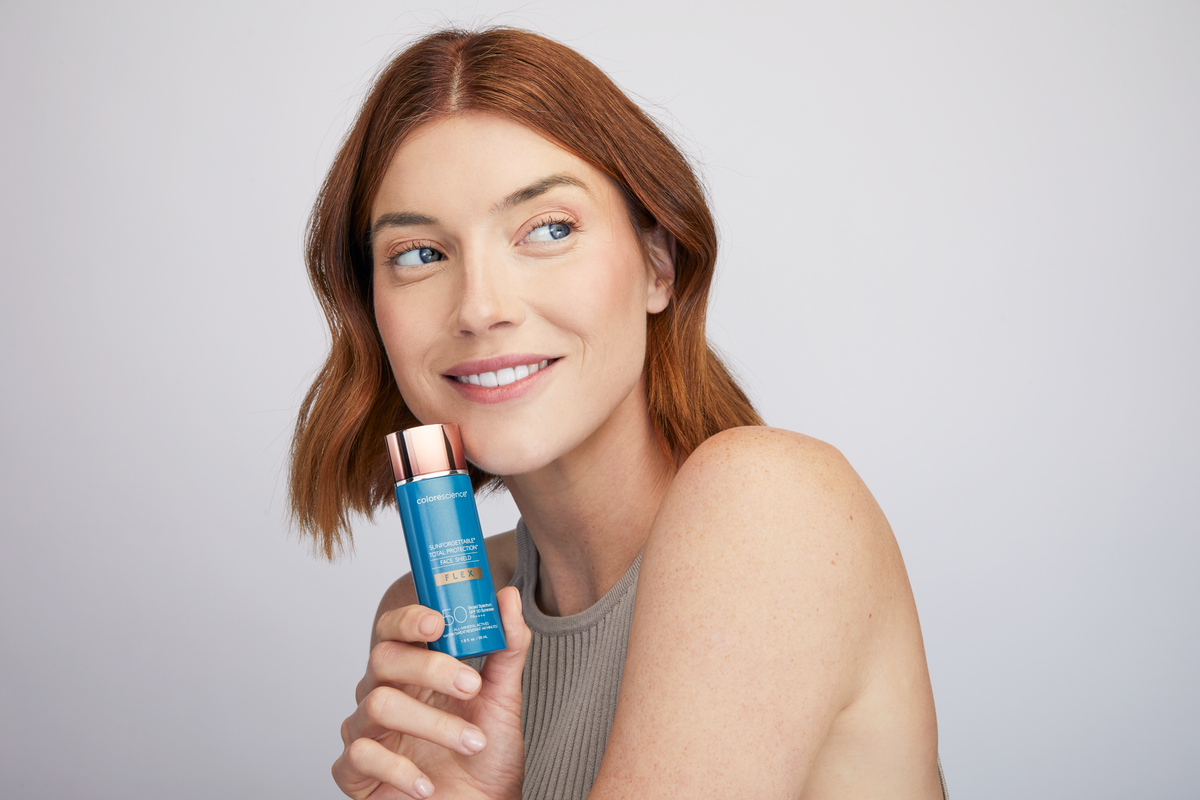
Sunforgettable® Total Protection® Face Shield Flex SPF 50
With a hydrating, antioxidant-rich formula, this buildable sunscreen offers a flawless finish that adjusts to your skin’s natural tone for a natural look while shielding you from the sun’s harmful rays. Not only does Sunforgettable® Total Protection® Face Shield Flex SPF 50 protect against UVA and UVB rays but it also defends against blue (HEV) light, pollution, and infrared radiation thanks to EnviroScreen® Technology.
Get the best of both worlds with tinted sunscreen that looks as good as it protects.
Total Protection® No-Show™ Mineral Sunscreen SPF 50
Dermatologist tested, oil-free, and non-greasy? Yes, please! Total Protection® No-Show™ Mineral Sunscreen SPF 50 is as hydrating as it is protective for a completely invisible application. Its weightless formula seamlessly blends into all skin tones while softening and smoothing skin texture. If you have sensitive skin, explore our sunscreen for sensitive skin collection for more gentle options.
This sunscreen layers well under makeup, helps prevent premature skin aging and is water and sweat-resistant for up to 40 minutes.
Sunforgettable® Total Protection® Face Shield Glow SPF 50
A glowy SPF 50 sunscreen that hydrates and evens your complexion while protecting your skin, Sunforgettable® Total Protection® Face Shield Glow SPF 50 provides the radiant protection you deserve.
This naturally luminous sunscreen enhances your complexion while offering broad-spectrum SPF 50 protection against UVA and UVB rays, as well as EnviroScreen® Technology to guard against blue (HEV) light, pollution, and environmental stressors.
Sunforgettable® Total Protection® Brush-On Shield SPF 50
A brush-on SPF 50 sunscreen that you can wear on its own or with makeup, Sunforgettable® Total Protection® Brush-On Shield SPF 50 is your new go-to sunscreen. Thanks to a convenient, easy-to-use brush applicator, you can enjoy protection wherever you go.
Whether you use it alone or in your makeup routine, it provides broad spectrum SPF 50 and PA++++ defense. It’s also water- and sweat-resistant for up to 80 minutes and features antimicrobial bristles to maintain freshness.
Beyond Sunscreen: PA-Rated in Makeup
Who says PA ratings are only for sunscreen? The demand for multi-functional cosmetics continues to rise, and makeup with PA-rated UVA protection is an essential. Many foundations, tinted moisturizers, and powders are now formulated to offer UVA and UVB protection.
Here are two standout beauty-meets-skincare solutions that allow you to maintain a flawless look while defending your skin:
Sunforgettable® Total Protection® Color Balm SPF 50
Sunforgettable® Total Protection® Color Balm SPF 50 is a color balm you can use as blush, eyeshadow, or lip balm. This versatile beauty product provides SPF 50 and PA++++ sunscreen protection while serving as a buildable lip and cheek color available in eight different shades. Keep your lips hydrated and healthy while adding a pop of color to your look.
Peptide Lip Shine SPF 30
Nourish and protect your lips with the Peptide Lip Shine SPF 30. This hydrating gloss not only delivers a hint of color and shine but also offers broad spectrum SPF 30, PA+++ sun protection.
Infused with Maxi-Lip™ peptides that support collagen and elastin, it promotes smoother, plumper-looking lips while shielding them from UV damage. Perfect for everyday wear, this lip shine features hyaluronic acid, Vitamin E, and zinc oxide for a powerful and stunning gloss.
Additional Innovation in Colorescience Sunscreen
Stay ahead of the curve by exploring Colorescience’s innovative and nourishing products. Colorescience’s EnviroScreen® Technology goes beyond traditional sun protection by incorporating advanced, skin-loving ingredients that offer multi-dimensional protection. Formulas including iron oxides offer tinted coverage and protection against blue (HEV) light.
Another cutting-edge ingredient is InfraGuard, offering defense against infrared (IR) radiation. Because IR can penetrate deeper into the skin than UV rays, products featuring InfraGuard enhance protection while supporting overall skin health and resilience.
Frequently Asked Questions
Is PA++++ better than SPF 50?
They measure different things, so one isn’t better than the other. SPF 50 describes protection from UVB, the main cause of sunburn. PA++++ describes protection from UVA, which drives tanning, pigment and long-term aging. The strongest daily choice has both: a high SPF and strong UVA protection, which in the US means Broad Spectrum.
Does the FDA recognize PA ratings?
No. The FDA doesn’t use the PA system, and PA grades aren’t part of US Drug Facts labeling. In the US, the Broad Spectrum label is the FDA’s measure of UVA protection. A PA grade on a US product is extra information, usually based on testing to the international PPD method (ISO 24442).
Is broad spectrum the same as PA++++?
Not quite. Broad Spectrum is a pass/fail test that checks protection extends into the longer UVA wavelengths. PA is a graded scale based on how much UVA protection a product provides. A sunscreen can be Broad Spectrum without being PA++++, so if you want the highest UVA rating, look for both.
Protect Your Skin with Mineral PA++++ Sunscreen
Elevate your sun care with PA++++ sunscreen. Colorescience specializes in skincare that protects you from harmful UVA and UVB rays to keep your skin healthy while you have fun in the sun. Shop our Sunforgettable® Total Protection® collection today.
And remember, combining sunscreen with other sun safety measures, like wearing protective clothing and seeking shade, gives you the best defense against the harmful effects of UV exposure.
With these steps, you can keep your skin healthy, radiant, and safe, no matter the season.
Last updated: October 19, 2026