
Your breakout has finally cleared, but a flat brown spot stayed behind. Weeks later, it's still there. Is that a scar, a stain, or something you can actually fade?
Here's the good news. Most of what people call "acne scars" aren't scars at all. Most are marks, and marks behave very differently from true scars. Once you can tell the two apart, picking the right products and habits gets a whole lot easier.
What's the real difference between acne marks and acne scars
The quickest way to tell them apart is to run your finger over the spot.
A true acne scar changes the texture of your skin. The spot sits lower than the skin around it or raised above it, because a deep breakout damaged the collagen underneath. Those changes are structural, so they usually need in-office treatments to improve.
An acne mark is flat. The surface feels smooth and even. What you're seeing is color, not a dent. That flat brown, tan, or reddish spot has a name most people haven't heard, and it's the key to this whole conversation.
What is post-inflammatory hyperpigmentation?
That flat mark is post-inflammatory hyperpigmentation, or PIH for short. That's a mouthful, so here's the plain version.
When a pimple gets inflamed, your skin reacts to the irritation by making extra melanin, the pigment that gives skin its color. After the breakout heals, that extra color can stay behind as a dark spot. Acne is one of the most common triggers for these marks.
So when you compare acne scars vs hyperpigmentation, the difference is simple. Scars are about damaged texture. Hyperpigmentation is about leftover color. The dark spots from acne that so many people want to fade are almost always PIH, not scarring.
PIH shows up in every skin tone, though it tends to be more noticeable and last longer in deeper skin tones. The color usually ranges from light brown to deep brown or black.
Why acne marks stick around longer than you'd expect
If your acne marks feel like they're taking forever to fade, you're not imagining it. PIH can take months to clear on its own, and in some cases longer.
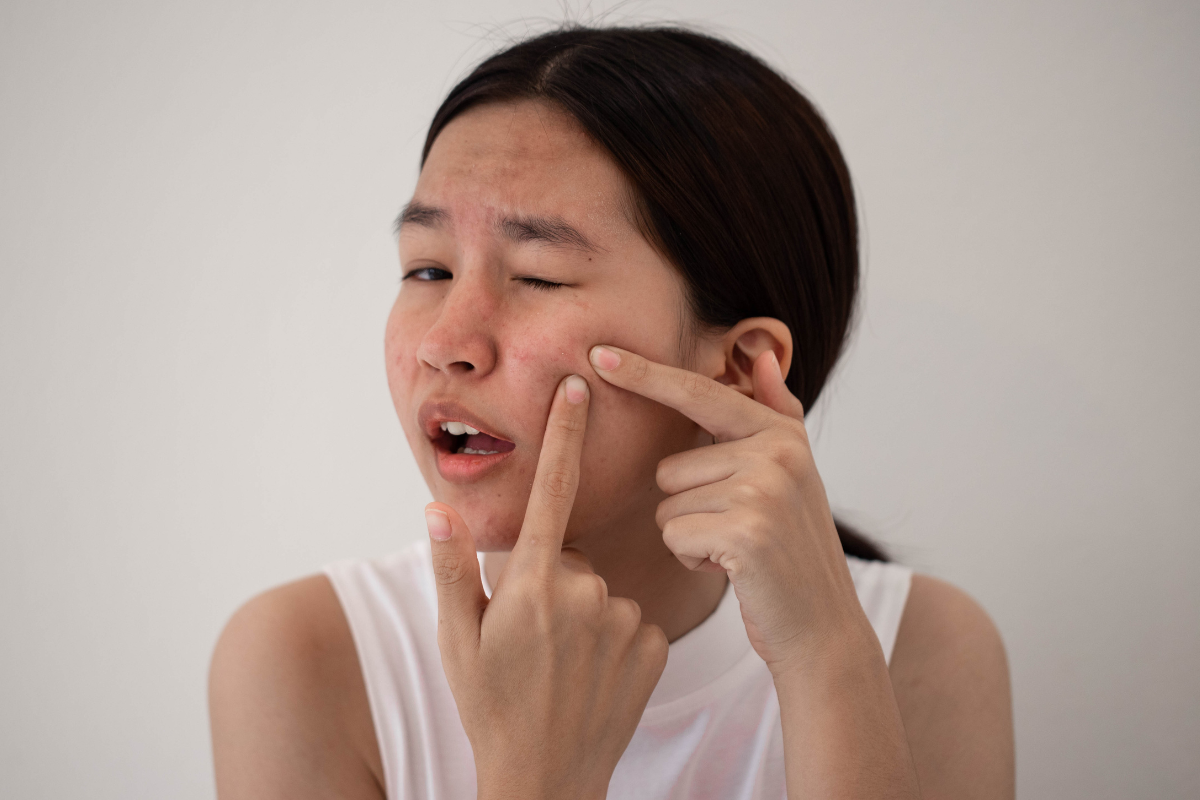
Two things make marks linger. The first is picking. Squeezing or scratching a breakout adds more inflammation, which tells your skin to make even more pigment. The second is sun exposure. UV light can deepen these marks and stretch out how long they stay.
And it's not just UV you want to think about. High energy visible (HEV) light, also known as blue light, can also trigger pigment production in the skin. You're exposed to it from sunlight and from screens like your phone and laptop. Research shows that HEV light activates a specific receptor on melanocytes that signals the skin to produce more melanin. For acne marks that are already darker than the surrounding skin, that extra melanin can make them look deeper and take even longer to fade. So when you're trying to protect healing skin, it's worth considering a tinted sunscreen with iron oxides, which can help block blue light along with UV rays.
That second point is the one most people skip, and it changes how to get rid of acne scars and marks. You can use every brightening product on the shelf, but without sun protection, you're working against yourself all day long.
This is where a routine built around both brightening and protecting can make a real difference. The Even Up® Hyperpigmentation Regimen was designed to do exactly that. It pairs a lightweight Multi-Correction Serum with a tinted Clinical Pigment Perfector SPF 50 that contains iron oxides to help block blue light, plus a Brush-on Shield SPF 50 for easy reapplication throughout the day. Together, these three products work to help brighten and color-correct while also guarding against the UV and HEV exposure that can set back your progress.
What's worth noting is that this regimen has been clinically studied and published in a peer-reviewed dermatology journal. The regimen was also found to be well tolerated across a wide range of skin types and tones, which makes it a solid option if you're looking for something that targets dark marks while keeping your skin comfortable and protected every day.
How to fade acne scars and marks with a simple routine
Fading marks isn't about a ten-step routine. The goal is doing a few things consistently. Here's a simple order to follow.
Start with a targeted brightening serum
A treatment serum made for discoloration is a smart first step. We suggest the Even Up® Multi-Correction Serum, a lightweight serum that works to reduce the appearance of hyperpigmentation while it smooths and hydrates. Phytomoist and glycerin add moisture and support a healthy skin barrier, which matters when you're treating marks. Apply two to three pumps to clean, dry skin in the morning or evening, then follow with your moisturizer.
Add color correction plus daily sun protection
Since sunlight is such a big factor, your daytime step should do double duty. The Even Up® Clinical Pigment Perfector® SPF 50 is a clinically proven pigment corrector that instantly blurs the look of dark spots while defending against UVA and UVB damage. The formula is powered by the LUMIRA® Skin Brightening Complex and colored with iron oxides. A tinted sunscreen with iron oxides also helps to block blue light, the kind of light that can trigger discoloration deeper in the skin. Apply half a pump to a moisturized face as the first step in your makeup, about 15 minutes before you head outside.
Keep protecting through the day
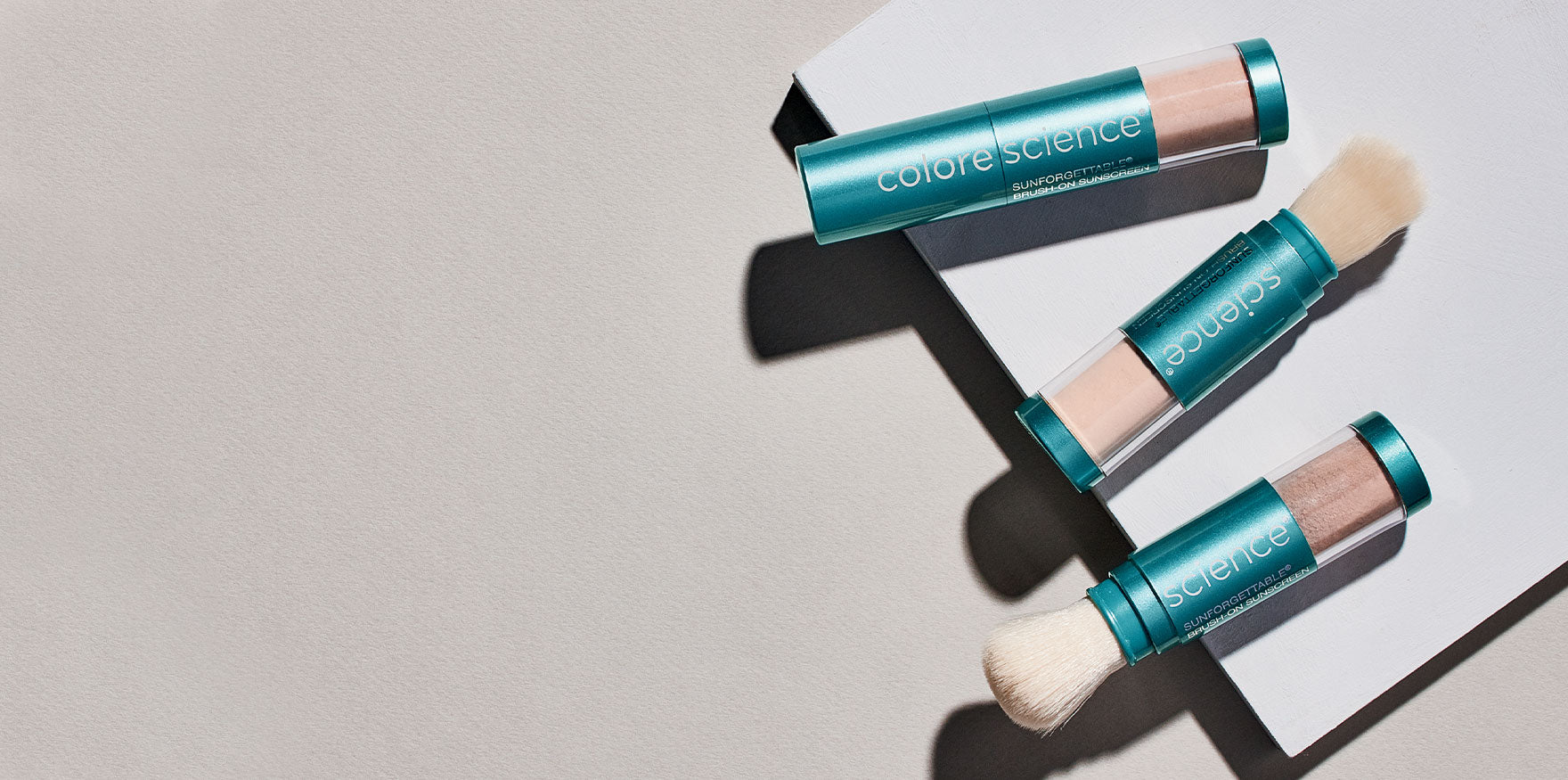
Sunscreen wears off, so a quick reapply keeps your progress on track. A brush-on mineral shield makes this easy over makeup, no rubbing or smudging. Reapply at least every two hours when you're out and about.
If you want a pared-down routine, the Pep Up® Collagen Boost Face & Neck Serum is a smart pick because its ten peptides deliver several skin benefits in one step, plus antioxidants and deep hydration. That makes it a great starter for targeted care while your protection guards against the environmental stressors that speed up visible aging, including UVA and UVB, blue light from screens, pollution, and infrared radiation.
Which products work best for acne pigmentation
When you're choosing the best product for acne pigmentation, look for two jobs in one bottle. You want something that fades the look of existing marks and shields your skin from the sun and blue light that make new marks worse.
That's the thinking behind the Even Up® line. Here's how the pieces fit together.
-
Even Up® Multi-Correction Serum works underneath everything to soften the look of dark spots, age spots, and other discoloration while it hydrates. This formula is dermatologist-tested, non-comedogenic, and suitable for sensitive skin.
-
Even Up® Clinical Pigment Perfector® SPF 50 blurs discoloration on contact and protects with all-mineral SPF 50.
-
A brush-on mineral SPF 50 handles easy reapplication so your protection never lapses during the day.
Used together morning and night, these steps cover both sides of the problem. You fade what's there while keeping new marks from settling in.
Want the full walk-through? Our guide on the journey to more even-toned, radiant skin shows how each product fits into a hyperpigmentation routine, with before-and-afters from clinical study participants.
When to see a dermatologist
Home care handles most flat marks well, but some situations call for a professional.
If your spots are actually raised or pitted, that's texture, and a dermatologist can talk you through options that go beyond skincare. The same goes for marks that haven't budged after months of steady effort, or if you're not sure whether you're dealing with a mark or a scar. And if active breakouts keep coming, treating the acne itself is the real first step, since fewer breakouts means fewer marks down the road. Our article on what causes acne and how to treat it is a helpful place to start.
Frequently asked questions
Are acne marks and acne scars the same thing?
No. Acne marks are flat spots of leftover color, known as post-inflammatory hyperpigmentation. Acne scars change your skin's texture, sitting raised or sunken. Marks are usually easier to fade than true scars.
How long do dark spots from acne take to fade?
Timing varies. PIH can take several months to fade on its own, and sometimes longer. Daily sun protection and not picking at breakouts both help the process along.
Does sunscreen really help with acne pigmentation?
Yes. Sun exposure can deepen dark spots and make them linger. Wearing broad-spectrum SPF every day is one of the most important steps for fading marks and keeping new ones from getting darker.
What's the best product for acne pigmentation?
Look for one that fades existing marks and protects against sun and blue light. The Even Up® Clinical Pigment Perfector® SPF 50 does both, blurring discoloration while shielding skin with all-mineral SPF 50.
Can I fade acne marks if I have sensitive skin?
Often, yes. The Even Up® Multi-Correction Serum is dermatologist-tested, non-comedogenic, and made to suit sensitive skin. If you have any concerns, checking with your dermatologist first is always a good move.