
Spoiler alert: there’s no such thing as a perfectly even skin tone. Try as you might, your rosy cheeks, red-tipped nose, hollowed eyes, and shaded hairline will forever stand in the way of one universal hue – and that’s a good thing!
A little color adds shape and dimension to your complexion, whether it’s achieved naturally or through the use of everyday cosmetics. However, the trouble begins when your uneven skin tone begins presenting itself in blotchy patches or dark spots known as “hyperpigmentation.”
Although perfectly even skin simply doesn’t exist, there are ways for you to manage an uneven tone on your face to create a more balanced, harmonious complexion.
If you suffer from hyperpigmentation or a severely uneven complexion, you can try corrective pigmentation skincare products and read through the following suggestions for how to fix an uneven skin tone and find your way back to healthier skin.
What is uneven skin tone?
We’re sure that you’ve heard the term “uneven skin tone” a million times, but have you ever stopped to think about what it actually means? If not, don’t worry, because we have the insider knowledge you need on all things uneven skin tone, and we are happy to share it with you.
So, when it comes to describing or identifying an uneven skin tone, you can look for a few different telltale signs. It can be characterized by both skin discoloration and a change in your skin texture. The affected skin is usually visibly distinct from the surrounding areas and can have dark patterns or markings of different coloring, or you might see a rough or spotty texture.
When you’re targeting discoloration, understanding niacinamide benefits skin helps you choose products that brighten without irritation.
Causes of uneven skin tone
Not all dark spots are created equal, and there are a several culprits that may be behind uneven skin. It’s a good idea to see which causes may pertain to you and your skin, that way you can nip them in the bud and work toward happier, healthier skin!
Sun exposure
Since it’s a well-known fact, you probably know that sun exposure is one of the major causes of an uneven skin tone.
Excessive sun exposure, or unprotected sun exposure, can lead to sun spots. And since sun spots physically discolor your skin, we are sure it comes as no surprise how big of an impact they can have on your complexion. Though a sun spot isn’t the worst thing, it isn’t the best either.
Hyperpigmentation
Let’s break it down: “hyper” means above, and “pigment” means color; together, they refer to the overproduction of melanin. Melanin (produced by melanocytes) is the pigment responsible for the color of human skin, hair, and eyes.
You probably observe melanin most noticeably when you watch your skin tan after a day in the sun, since the complex polymer is part of our body’s natural defense against UV rays. Melanocytes will respond to sun exposure by kicking their production volume of melanin into overdrive. In an attempt to defend against the increased presence of UV light, the dark brown-colored pigment spreads itself across our skin.
Unfortunately, such tanning is usually the desired outcome for most sunbathers, despite the harmful effects it poses on the skin’s health. Unprotected sun exposure comes with a slew of consequences – ranging from sunburn and photoaging to skin cancer.
Whereas chronological aging refers to the body’s natural processes (changes in hormone levels, the slowing down of collagen production, etc.) photoaging is due to damage caused by UV light. Photoaging is premature and accelerates the onslaught of visible age signs, namely in the form of wrinkles, fine lines, and sunspots.
Hyperpigmentation – or those grayish-brown sunspots, formally known as solar lentigines – is usually the result of photoaging due to repeated, unprotected sun exposure. The spots form when melanin is overproduced and creates deposits on the skin which can range in size, shape, and color.
These spots are harmless, unlike the dangerous melanoma growths that occur once melanocytes become cancerous; nonetheless, many people choose to treat them for cosmetic reasons. Any spot that changes in size, shape, or color, bleeds, or looks different from your other spots should be checked by a dermatologist.
Prevention is always best when it comes to warding off the effects of the sun, but if you already have hyperpigmentation, treatment is still possible. Unfortunately, the sun isn’t the only cause of discoloration, and determining the root of your troubles is critical for finding the right management program.
Melasma
Another common skin condition is melasma, which causes brown, tan, or grayish discoloration of the skin. These patches usually form on the forehead, cheeks, bridge of the nose, and above the upper lip, but they can also occur on other parts of the body, such as the forearms and neck.
Both men and women can experience the condition, but it's linked to a mix of hormones (pregnancy, birth control), genetics, and light exposure, including both UV and visible light. Melasma tends to return, so maintenance and daily tinted mineral SPF matter as much as treatment. Millions of people have melasma, and it can affect anywhere from 1.5% to 33%, depending on the population.
Why tinted mineral SPF matters for pigment
UV isn't the only light that darkens pigment. Visible light, the kind you can see, can also trigger and deepen dark spots and melasma, especially in medium to deeper skin tones. Tinted mineral sunscreens that contain iron oxides help protect against visible light as well as UV, which is why they're often recommended for anyone managing discoloration.
“In the treatment room, the clients with the most stubborn pigment were often doing everything right except one thing: their sunscreen only covered UV. Melasma also responds to visible light and heat, which is why I recommend a tinted mineral SPF with iron oxides every day. It’s the step that protects every other treatment you invest in.” — Alex Lang, Director of Global Education
Estrogen fluctuations stimulate melanocytes to work overtime and create melasma, or pools of unwanted melanin in the skin. Your skin may be discolored due to an injury (post-inflammatory hyperpigmentation), or due to pollution in the environment that’s penetrated the skin’s surface.
Whatever the reason, reduce your time in the sun while your complexion struggles to balance itself out.
Dry skin
Dry skin doesn’t directly cause dark spots, but it can look dull, flaky, or ashen, which makes uneven tone more noticeable. Dry, cracked skin is also more easily irritated, and irritation can lead to post-inflammatory hyperpigmentation.
It’s a good idea to keep your skin hydrated and moisturized in order to prevent skin from becoming dry in the first place. You can do so by ensuring you are drinking plenty of water throughout the day, but you also want to invest in sunscreen and moisturizing cream in order to keep your skin hydrated morning, noon, and night.
Pollution
You may not realize it, but air pollution can actually have an impact on your skin. Think about all of the pollutants in the air, like:
- Smoke
- Dust
- Chemicals
- And more
They all float around in the atmosphere and can end up landing on your skin. Research has linked air pollution to more visible pigment spots, likely because pollutants create oxidative stress in the skin. Cleansing every evening and using an antioxidant like vitamin C during the day can help.
Identifying your pigmentation’s provenance is crucial for creating the proper treatment plan. The wrong treatment can make discoloration darker, so if you’re unsure of the source, consult a skincare professional.
Medication
Certain medications can cause increased melanin production in the skin, resulting in hyperpigmentation. Sometimes a drug can also break down into colored byproducts called metabolites that can accumulate in the skin, creating darker patches.
Common culprits include certain antibiotics that may cause skin discoloration or sun sensitivity (which we know can lead to uneven pigmentation) and blood thinning medications that can make skin more prone to bruising and discoloration.
Aging
No one likes to hear it, but one of the biggest changes that can result in uneven skin tone and texture is aging. As we get older, the skin becomes thinner, which can lead to a host of issues, including prior sun damage appearing on the surface of the skin.
Cell turnover also begins to slow as we age, leading to more build up of dead skin cells that can create an uneven skin texture.
Injuries
Injuries can also lead to uneven skin on your face. More serious cuts and wounds can cause permanent scars that are different in color and texture. Certain injuries can cause damage to the veins in the face, which may lead to lasting redness and discoloration.
Sun spots vs. post-inflammatory hyperpigmentation vs. melasma
Knowing which type of discoloration you have helps you choose the right approach. Here’s a quick way to tell the three most common types apart:
| Type | What it looks like | Common Triggers | What helps |
| Sun spots (solar lentigines) | Flat, well-defined tan to brown spots on sun-exposed areas like the face, hands, and chest | Years of cumulative UV exposure | Daily broad-spectrum SPF, brightening serums, and professional options like lasers or peels |
| Post-inflammatory hyperpigmentation (PIH) | Flat pink, red, brown, or gray marks where skin was inflamed or injured | Acne, eczema, bug bites, cuts, picking, or harsh treatments; more common and longer-lasting in deeper skin tones | Calming the underlying inflammation, hands-off skin, gentle brighteners, and daily SPF; often fades over months |
| Melasma | Symmetrical, blotchy brown or gray-brown patches on the cheeks, forehead, nose, or upper lip | Hormones, genetics, UV, visible light, and heat | Daily tinted mineral SPF with iron oxides and dermatologist-guided treatment; tends to return, so maintenance matters |
Not sure which one you’re dealing with? A dermatologist can usually tell with a quick visual exam.
How to get rid of uneven skin tone
Armed with the knowledge of which type of discoloration you’re facing, you can begin treating your uneven skin and taking steps toward correcting your complexion. Ready to get started?
1. Cater your skincare routine to your skin type
Start by determining your unique skin type. Although your goal is to treat discoloration, you might add acne or dry flakes to your list of problems by using the wrong products. If you’re not sure which formulas best suit your complexion, here’s some help:
Dry skin
Dry skin produces less sebum (a sticky substance generally known as oil) than normal skin. As such, the skin lacks the lipids it needs to retain moisture and shield against environmental influences.
Dry skin types should look for mixtures that contain water in oil emulsions (more oils or lipids than water). The lipid film will smooth cracked surfaces and prevent a further loss of water from the epidermis – your skin’s outermost layer. Look for water-binding ingredients such as urea, lactic acid, and glycerin to enhance the hydrating effects of moisturizers.
Combination skin
As the name suggests, those with this skin type have a combination of dry, oily, and normal areas within the complexion. The skin type will generally vary between the T-zone (forehead, chin, and nose) and the cheeks.
Combination skin needs special care; the dry spots should be treated with water in oil-emulsion products, whereas oil in water-emulsions (more water than oil or lipids) should only be applied to oily areas to prevent clogging pores.
Normal skin
“Normal” is the term used to describe well-balanced skin. The T-zone might be a bit oily, but overall, the sebum and moisture are balanced in ratio.
Normal skincare products should keep the skin clean and moisturized without making it too oily. For daytime use, find a light, water-in-oil emulsion formula; however, a product containing more lipids may be beneficial to use at night.
Oily skin
Oily skin has a heightened sebum production. The face may appear excessively shiny, with pores frequently enlarged and visible.
Oily skin should only use oil-free fluids or light, oil-in-water emulsion products made for oily skin. Find formulas labeled “non-comedogenic” to decrease the likelihood of clogging enlarged pores.
Uneven tone often overlaps with characteristics of combination skin, requiring targeted brightening and balanced hydration.
Choose products with your skin type in mind. Although your goal is to treat discoloration, you might add acne or dry flakes to your list of problems by using the wrong products.
2. Exfoliate
Exfoliation is a critical step in managing uneven skin tones. To help the correcting ingredients within your cleansers, serums, and moisturizers penetrate the epidermis and do their work, you first need to slough off the dead, dull skin cells at the surface.
Find an exfoliant suitable for your skin type, and use it one to two times a week to help fade the look of dark spots over time. Apply your exfoliator following these steps:
- Apply your exfoliator onto a clean, moist face
- Use your fingers or wet a wash cloth with warm water
- In circular motions, gently rub the exfoliant across your face to remove dead skin
- Rinse the product off using warm water
Be careful not to exfoliate too aggressively or too frequently; otherwise, you might disturb the skin’s natural equilibrium and make your problems worse.
3. Get facials
If you’re trying to figure out how to even your skin tone, a series of facials can help improve the look of discoloration. Either receive a professional-grade facial from either a dermatologist or esthetician, or for those on a budget, use gentle over-the-counter masks and treatments at home.
If you opt for a chemical facial, consider a chemical peel. These combine a variety of acids and enzymes to literally remove the superficial layers of damaged skin from the face. Chemical facials usually make you red and flaky as the skin peels and sheds itself, but once the process is complete, peels can help fade surface discoloration over a series of treatments. Your provider will choose the peel depth based on your skin tone and history.
Skip kitchen remedies like lemon juice or garlic. They're acidic or irritating, and irritation is one of the fastest ways to make dark spots darker.
“I understand the appeal of a lemon-juice fix, but irritation is one of the quickest ways to make dark spots darker, especially in deeper skin tones. Gentle and consistent works better than harsh and fast. Give a routine at least eight to twelve weeks, and bring in a professional if spots aren’t budging.” — Alex Lang, Director of Global Education
At-home facials can generally be done once or twice a week depending on which ingredients you use, whereas strong, professional facials are usually performed on a monthly basis. Consult your skincare professional for the best advice.
4. Cleanse and moisturize daily
Exfoliation should be done twice weekly, and facials should be done on either a monthly or weekly basis; however, cleansing and moisturizing your skin should be done every single day. Most experts recommend doing these critical skincare steps twice a day – once in the morning and once at night.
Keeping your complexion clean and moisturized is essential for the health and vitality of your skin. A consistent routine supports a healthy skin barrier, which helps the rest of your routine work better. Look for products with brightening ingredients, such as:
- Hydroquinone: This is the most common depigmenting agent used to lighten dark patches on the skin and correct uneven complexions. Hydroquinone is a well-studied prescription option for stubborn hyperpigmentation and melasma. In the U.S. it is no longer sold over the counter, so it should be used under a dermatologist's guidance.
- Mulberry: A compound made from mulberry plant roots, this ingredient may help brighten the look of dark spots.
- Kojic acid: This ingredient, produced by certain fungi during fermentation, helps brighten the look of dark spots by inhibiting tyrosinase, an enzyme the skin needs to make melanin.
- Vitamin C: An antioxidant that helps brighten dullness and the look of dark spots, and pairs well with your morning sunscreen.
- Niacinamide: A form of vitamin B3 that helps reduce the look of dark spots and is generally well tolerated, even by sensitive skin.
- Azelaic acid: Helps fade the look of dark spots and post-acne marks. It’s available over the counter at lower strengths and by prescription at higher strengths.
- Retinoids: Speed up cell turnover to help fade discoloration over time. Retinol is available over the counter, while stronger retinoids like tretinoin require a prescription. Start slowly, since irritation can darken pigment, and skip retinoids if you’re pregnant or nursing.
- Tranexamic acid: A newer option that shows promise for melasma and stubborn discoloration. Topical versions are available in skincare, while oral tranexamic acid is prescription-only and needs a dermatologist’s guidance.
Find a good moisturizer and cleanser to complete your skincare routine. We recommend the Colorescience Barrier Pro™ Essential Duo, which is designed to work together to support a healthy skin barrier.
For even tone and protected skin, apply sunscreen after moisturizer to maximize both hydration and defense.
Be patient with any new routine. Most brightening ingredients need at least 8 to 12 weeks of consistent daily use, along with daily sunscreen, before you see a visible difference, and melasma or deeper pigment can take longer. Give one routine enough time to work before switching products.
5. Support your skin with a balanced diet
There’s no food that will fade dark spots, but a balanced diet supports overall skin health. Foods rich in antioxidants and healthy fats, like leafy greens, citrus fruits, tomatoes, green tea, and fatty fish such as salmon, give your skin nutrients it uses every day, and limiting heavily processed, sugary foods benefits your skin and the rest of your body. Think of diet as support for your topical routine and daily sunscreen, not a replacement for them.
Skincare product recommendations for uneven skin
If an uneven skin tone bothers you, there are steps you can take to begin addressing the issue right away. Implementing products with proven ingredients into your routine and using them consistently is the key to targeting skin concerns with long-term success.
Here are a few recommended products from Colorescience that can help you achieve a more even skin tone.
Even Up® Multi-Correction Serum is formulated to target multiple skin concerns all at once, including:
- Dark spots
- Hyperpigmentation
- Overall skin discoloration
Its advanced formula works to brighten and make skin appear more even, while also providing hydration and helping improve skin texture.
Even Up® Clinical Pigment Perfector® SPF 50 not only helps to reduce the appearance of existing dark spots and uneven pigmentation but also provides broad-spectrum SPF 50 protection to prevent further sun-induced discoloration. The high SPF factor makes it particularly beneficial for those prone to hyperpigmentation or living in sunny climates.
Even Up® Hyperpigmentation Regimen is our clinically-proven solution for uneven skin tone and pigmentation that includes:
- Even Up® Multi-Correction Serum
- Even Up® Clinical Pigment Perfector® SPF 50
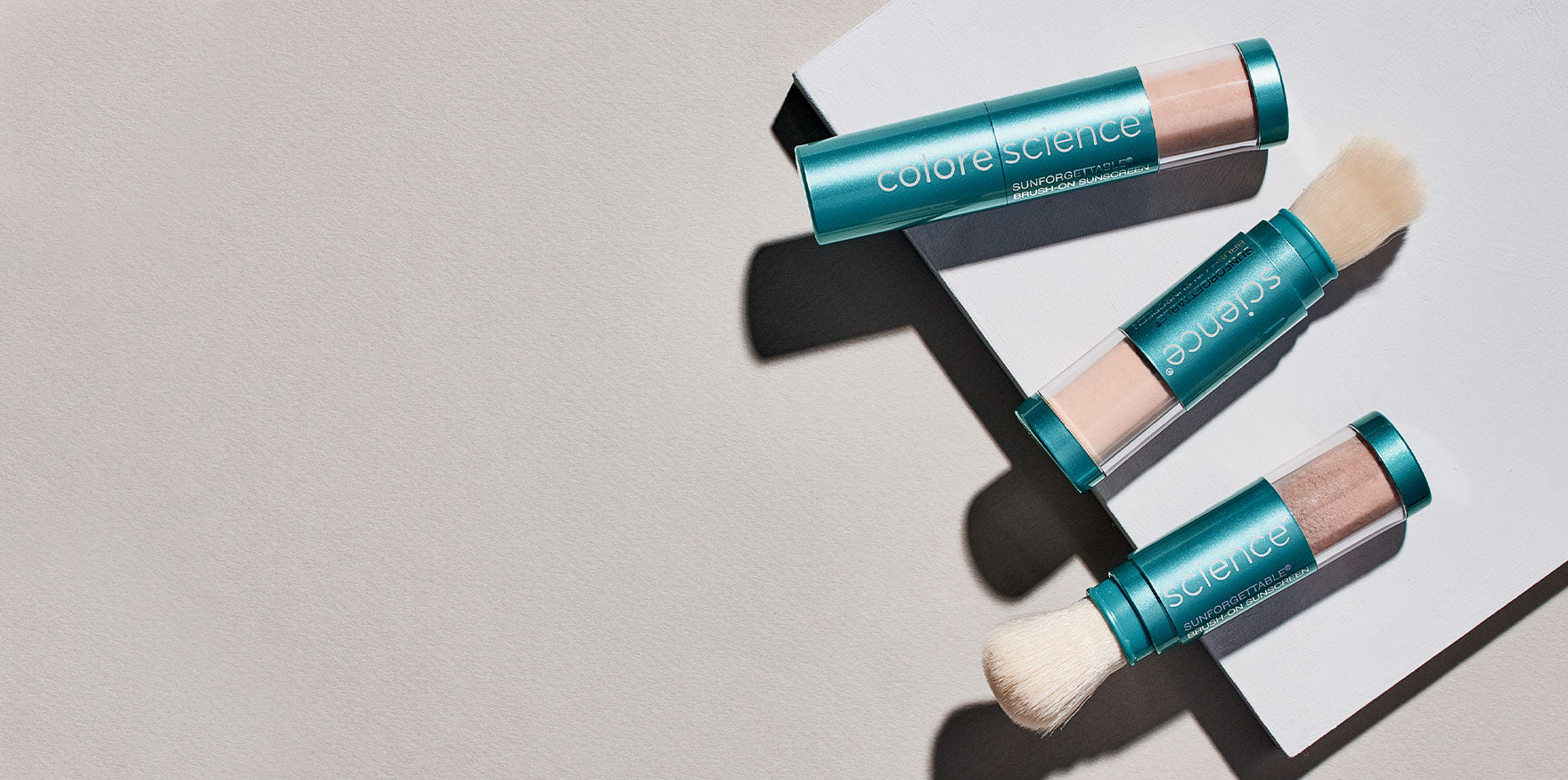
- Sunforgettable® Total Protection™ Brush-On Shield SPF 50
These products are designed to work together to address various aspects of uneven skin and provide a holistic approach to achieving a more uniform complexion. We love to use 2-3 pumps of the multi-correction serum, ½ pump of the pigment perfector, and finish things off with the brush-on shield, which is available in several shades.
For even tone and protected skin, learn to apply sunscreen after moisturizer to maximize both hydration and defense.

Common treatments for uneven skin
Whether your uneven skin is caused by sun exposure, hormonal changes, or aging, there are treatments available to address the issue. If you’re trying to figure out how to even your skin pigmentation, you might have to turn to professional methods.
When skincare solutions like topical treatments aren’t providing the results you want to see, you could also consider professional treatments, such as:
Laser treatments
Laser treatments are one of the more popular options for correcting uneven skin tone. These treatments use focused light to target and break down pigmentation, promoting a more uniform complexion. Some common types include:
Intense pulsed light (IPL)
IPL uses broad-spectrum light to target dark spots and pigmentation. This procedure can help with sun damage, age spots, and redness.
Light-based treatments aren't right for everyone. They can make melasma worse, and deeper skin tones need a provider experienced with the right settings or devices. This is a conversation for your dermatologist or licensed provider.
Laser skin resurfacing
Also known as laser peels, these treatments use lasers to remove the outer layers of the skin, promoting the growth of new, evenly pigmented skin. They can address deeper pigmentation issues and improve skin texture.
Microdermabrasion
Microdermabrasion is a procedure that exfoliates the skin by gently removing the top layer of the skin. The goal is the same as a laser peel, but the process is physical exfoliation. This process gets rid of dead skin cells and stimulates collagen production, leading to smoother and more evenly-toned skin. It’s especially popular for treating superficial pigmentation and improving overall skin texture.
Before deciding on any procedures, it’s important to consult a trained skincare professional and thoroughly research your provider to ensure you’ll receive safe and effective care.
How to use makeup to conceal uneven skin
As your revised skincare routine starts to work, consider concealing your uneven complexion with a tactful makeup application. A mineral foundation with a blendable, buildable texture can become your new best friend, but be sure to apply it correctly, or risk making your skin appear even blotchier.
Follow these steps to look flawless when using products to manage uneven skin:
- Begin by first applying a primer or moisturizer. This will allow your concealer and foundation to glide on smoothly, versus settling into fine lines or wrinkles. Having a primed canvas will prevent the makeup from soaking into the skin, thereby preserving its health.
- Next, use a color corrector or a neutral pigment corrector to even out the base layer of your skin. If you’re unsure which undertone you have, ask yourself these questions:
- If you look under your wrist, what colors are your veins? Warm skin shows veins that are mostly green, whereas a cool undertone shows veins that are mostly blue.
- Do you tan easily and rarely sunburn? If so, your skin likely has warm or neutral undertones (but you should still be wearing daily sunscreen products to prevent the worsening of your hyperpigmentation! Make sure you use something with a SPF of at least 30.)
- Do you look better in silver or gold? Personal preferences aside, cool undertones tend to be flattered by silver or platinum jewelry, whereas warm looks better in gold tones.
Once you determine what category you fall into, find a neutral foundation shade with the slightest hint of your undertone, but be cautious to stay away from formulas that appear either too pink or too yellow.
- Apply your concealer before your foundation. Usually, concealer is applied under the eyes, along the nose, and on the chin, but those with uneven skin can also apply concealer to areas that need equalizing. Pay extra attention to the red areas around the nose; dot your product in these places and step back to see a noticeably brighter complexion.
- If you apply concealer first, you won’t need to use as much product when it comes to foundation. Uneven skin types should avoid a full-coverage foundation application, and instead only apply the product to uneven areas. This strategy will appear the most natural, especially if you use the correct shade for your undertone.
- Blend your foundation correctly. Always start at the center of your face and move in an outward direction. You can use a brush, blender, sponge, or fingers, but whatever you use, don’t forget to take care of the neck. Without blending your foundation into your neck and jaw, you’ll see a distinctive line of where you stopped, causing that dreaded “mask face.”
These are the basic makeup steps for a flawless complexion, but you can always take your look further with finishing touch makeup products, and correct your color using blush, bronzers, and highlighters. Setting sprays are great once your application is complete and can help you achieve a long-lasting wear.
Even skin tone starts with a color-correcting makeup foundation that neutralizes discoloration.
If you want to prioritize your skin health while perfecting your complexion, you can try skincare-makeup hybrids.
For those struggling with uneven pigmentation, exploring prickly pear benefits for skin reveals its vitamin C content that helps achieve a more luminous, even-toned complexion.
Even out tone while protecting with the best face sunscreen trusted by thousands of customers.
How to prevent dkin from becoming uneven
You may think that because of all the factors that are in play, you may be unable to prevent your skin from becoming uneven, but that isn’t the case at all! With some thought, due diligence, and healthy habits, you can work to support your skin and make it as healthy as possible.
Wear sunscreen every day
We’re sure that you’ve been told this too many times to count, but wearing sunscreen every day can actually make a difference for the health of your skin. That means in the morning when you first head out and throughout the day until the sun goes down—even if it’s gloomy or you’re spending most of your time indoors.
But don’t just use any sunscreen. You’ll want to use a broad-spectrum mineral sunscreen (zinc oxide and/or titanium dioxide), SPF 30 or higher, so you can rest assured you’re providing your skin with the very best protection from the harsh and harmful rays.
Avoid picking your skin
It’s never a good idea to pick at your skin. It can cause unnecessary scratching, bruising, bleeding, scarring, and irritation, all of which can lead to an uneven skin tone and unhappy skin. Do your best to never pick at your face, even when you have scabs or blemishes that are bothering you. Once they heal, you’ll be thankful you resisted the urge to pick.
Prioritizing your skincare routine
We’ve said it before, and we’ll say it again. Now’s the time to start prioritizing your skincare routine and taking it seriously. Just a few extra minutes a day and some careful consideration when choosing your skincare and suncare products can make all the difference.
When you choose products that fit your skin type, you are actively working toward the healthiest version of your skin. That means you will be leaps and bounds ahead of where you once were when it comes to preventing and remedying uneven skin tone, skin irritation, and unhealthy skin. All of the small steps toward a solid skincare routine can yield big results with your skin.
While addressing uneven skin tone is important, many people also want to know how to get rid of wrinkles around mouth using collagen-stimulating and resurfacing treatments.
Key takeaways
Achieving a more radiant, even skin tone doesn’t always depend on high-tech lasers and expensive doctors. If those things are in your budget, you’re luckier than most. However, those looking for a more affordable way to correct discoloration should begin with this guide. Let’s recap how to manage an uneven skin tone:
- Identify the reason behind your hyperpigmentation.
- Determine your skin type to create the best skincare routine for your complexion.
- Treat your uneven skin using proper skincare, the correct products, and a clean diet, all while exfoliating, getting facials, and cleansing and moisturizing your skin habitually.
- Figure out your skin’s undertone to find a makeup shade that can best blend discoloration.
- Work toward preventing an uneven skin tone in the future with practices like: wearing sunscreen every day, avoiding picking at your face, and prioritizing your skincare routine.
Remember – perfectly even skin doesn’t exist, but if you see no improvement at all in your uneven complexion after 8 to 12 weeks of following these steps consistently, it might be time to consult a dermatologist to rule out any medical conditions.
Uneven skin tone FAQs
How to fix skin discoloration?
Fix discoloration by exfoliating twice weekly and using brightening ingredients like kojic acid, vitamin C, or niacinamide (or prescription hydroquinone from a dermatologist). Cleanse and moisturize daily while applying broad-spectrum sunscreen to prevent darkening. The Even Up Hyperpigmentation Regimen combines multi-correction serum with SPF 50 for comprehensive brightening and protection.
How to get rid of yellowish skin tone naturally?
Address yellowish undertones through proper hydration, eating antioxidant-rich citrus and green vegetables, and gentle exfoliation. Maintain consistent cleansing and moisturizing twice daily. Wear mineral sunscreen to prevent photoaging that alters complexion and creates uneven pigmentation over time. If the whites of your eyes also look yellow, see a doctor, since that can be a sign of a medical condition.
How to get your original skin tone back naturally?
Restore balance through regular exfoliation, topical vitamin C, and corrective treatments with brightening ingredients. Daily sunscreen prevents further damage. Consistent effort can help fade dark spots, though returning to an exact "original" tone isn't realistic—perfectly even skin doesn't exist.
What is it called when your skin is two different colors?
Hyperpigmentation refers to two different skin colors from melanin overproduction creating deposits. Related conditions include melasma, which causes brown patches linked to hormones, genetics, and light exposure, and solar lentigines (sunspots) from UV exposure. These variations show discoloration and sometimes textural changes distinct from surrounding areas. If patches are lighter than the rest of your skin, it may be vitiligo or another form of pigment loss, which a dermatologist should evaluate.
Why is my nose lighter than my face?
Natural color variations are normal and add facial dimension. Different areas produce varying melanin and sebum levels, creating subtle differences. The nose may appear lighter from sun exposure angles or natural pigmentation. Use color correctors or Sunforgettable Total Protection Face Shield Flex SPF 50.
Which foundations minimize the look of uneven tone with skincare benefits?
Sunforgettable Total Protection Face Shield Flex SPF 50 offers medium coverage with EnviroScreen Technology protecting against environmental damage. Tint du Soleil Whipped Mineral Foundation SPF 30 provides buildable coverage with peptides, ceramides, and multivitamins to hydrate and improve texture while addressing appearance and health.
Last updated: October 19, 2026